Saturday, 8 February 2020

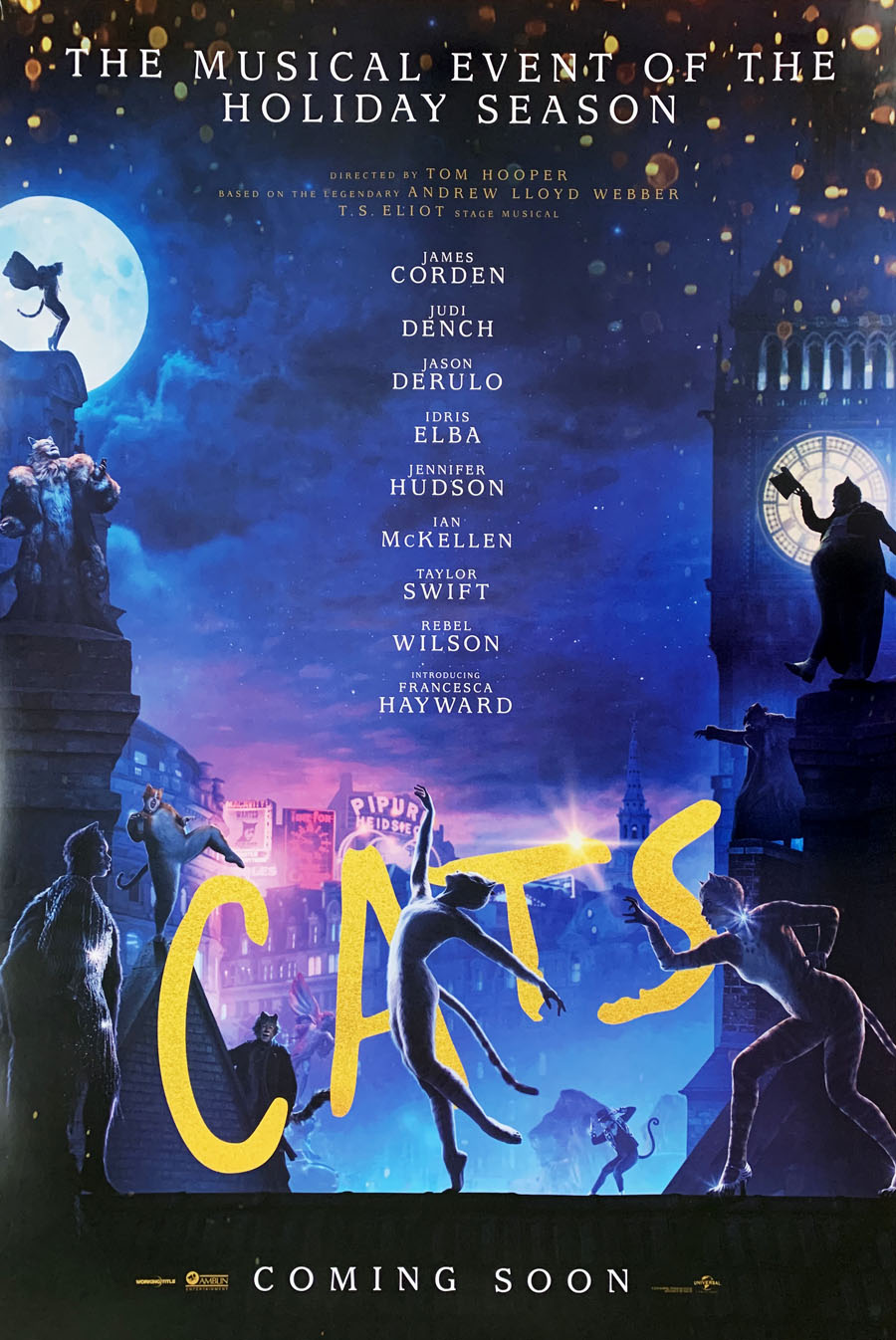
Cats (2019)


Director: Tom Hooper
Screenplay: Lee Hall and Tom Hooper
Based on musical by Andrew Lloyd Webber
Cast: James Corden as Bustopher Jones; Judi Dench as Old Deuteronomy; Jason Derulo as Rum Tum Tugger; Idris Elba as Macavity the Mystery Cat; Jennifer Hudson as Grizabella the Glamour Cat; Ian McKellen as Gus "Asparagus" the Theatre Cat; Taylor Swift as Bombalurina; Rebel Wilson as Jennyanydots the Gumbie Cat; Francesca Hayward as Victoria the White Cat; Laurie Davidson as Mr. Mistoffelees; Robbie Fairchild as Munkustrap; Mette Towley as Cassandra; Steven McRae as Skimbleshanks

Normally, I don't compose reviews of films this mainstream but this is a rare case. Whilst some of my readership might by surprised by this, if you look at the history of the film and its content, if it had been a musical adaptation of The Island of Doctor Moreau, it might've worked. That this was unintentional is just scratching the surface of all the justification I need to cover this misguided folly.
What we got is an Andrew Lloyd Webber musical adaptation that has no plot, and thus needs to be treated as a vignette show, barring the fact what little semblance of a plot there is happens to be a bizarre one, of a talent show where the winner each year gets to die and be reincarnated as a new cat. The result is done with so many ill-advised creative decisions from the director of The King's Speech (2010) that it makes sense to cover Cats.

Tom Hooper, a British-Australian director who originates from the BBC and jumped to cinema fully from 2009, really came to popularity suddenly when The King's Speech won the 2010 Best Picture Oscar. One, his career before isn't to be looked down upon, as he directed the acclaimed 2008 American miniseries John Adams with Paul Giamatti, but The King's Speech success helped him considerable. It was a film, in the context of Oscar winners, is a good film able to overcome its generic structure, about the future King George VI overcoming his stammer, notably because of its aesthetic, a surprisingly dank and oppressive one that fit the late 1930s in Britain just as we were about to go to World War II against Nazi Germany.

Unfortunately, this aesthetic style alongside other details became a huge hindrance to Cats, which is ironic as Hooper also adapted the musical Les Misérables (2012), a film no one complained about even if he cast actors like Russell Crowe who couldn't sing. Cats immediately gets off to a start that warns you that this has gone amiss as a creative production, as a synthesizer starts making noises sounds more for a sci-fi horror tale, a dank timeless London1 introduced drenched in artificial coloured lights and the sight of dancers turned into CGI hybrids of cat humanoids. In this world, without any context, immediately they're singing about being "jellicle cats" without it explaining what the hell "jellicle" actually means.

Cats is one of the most successful musicals in existence, based on a series of poems by T.S. Elliot about cats compiled into a book, Old Possum's Book of Practical Cats (1939). In terms of just this film without any other context, it has a very strange plot closer to The Holy Mountain (1973) than wholesome musical, that every year these "jellicle" cat humanoids have a talent competition where Judi Dench chooses who gets to die as the main prize, ascent to cat heaven (in a hot air balloon) and be reincarnated. Beyond this, most of the film is meant to make Victoria (played by ballet dancer Francesca Hayward in her feature film debut) being the protagonist, which doesn't work as the structure shuffles between various one-off cameos and set pieces. Idris Elba playing Macavity, a cat dressed like a crime film detective who can teleport in puff of smokes, is the main antagonist who wants the prize himself. It's aside from this just a song and a dance numbers spectacle, combining actual dancers and singers (including Taylor Swift in a cameo) with actors not known for singing like Dench or Ian McKellen.

The issue with Cats is that, willingly paying for a ticket in hope for a car crash, there's a lot that's bizarre but also a lot that is just generic. Having seen types of bad cinema that few would willingly watch, my attitude to this concept is more skewered, to the point that a film so technically incompetent can become a good film for me as accidental surrealism. The issue with Cats is that it's bad, but in a negative way that it's a large Universal production that, for moments of gleeful perversity, is pretty average but with the horror that it's tonally ill advised and poorly creative. This type of high budget production that shouldn't be this bad, but neither can I say its compelling either.


For starters, when the original show had costumes for its cast, Hooper and the production decided to turn the cast into photo realistic humanoid cats right down to pronounced furry breasts and buttocks, which is provocative especially for a film suitable for children and is such a wrongheaded concept. Again, the Dr. Moreau references seem apt, as is the sense the tone is jarring. A dank, pink hued lit slum is where to film exists within, which (from dice to bins) varies in size compared to the cast in extremes, all surrounding with what is effectively a cult of peculiar feline creatures, the premise for a cult horror film, not a musical. Rebel Wilson, who is a larger figured actress stuck playing to it as a joke, immediately sets up the misguided nature of the show in one of the first song numbers, one which has already developed infamy. Scratching herself erotically; humanoid cockroaches played by actors being eaten by humanoid cats; humanoid mice played by children, which is disturbing as they're meant to be food too. This film is never as perplexing as this sequence, but the film instead is saturated in this grotesque CGI hybrid and badly put together musical numbers to compensate.

Hooper cannot film a musical. The dancing, which is impressive at points, is edited to shreds and with many close-ups that obfuscate the scenes. I see the point Tom Hooper wants to make with close-ups in the singing - to wring emotion out of individuals like Jennifer Hudson - only for it to lead to Hudson uncomfortably stuck crying and depressed as a cat who's vaguely a vagrant (maybe a sex worker) with ill defined lyrics and a grotty coat over her fur, rather than an actual character to sympathise with. It's not good for a musical, where you should allow for space and see the preciseness of the dancing, and it's not good when all your emotional tension feels laboured. Like martial arts films, you cannot get away with this type of production where you manipulate the images to hide the cast's talents onscreen unless you are good enough to pull it off.

Cast wise, many talented figures are left out to dry like Hudson. I'll be controversial and say Ian McKellen is the best part, even though he cannot sing in the slightest and is seen licking milk from a giant saucer, mainly because he's playing a cat from a theatre background, which would a great film premise in itself, a veteran of Shakespeare and the stage playing a sad isolated old actor who still has the energy when allowed to perform. Idris Elba is also good as a peculiar musical cat noir film baddy, only undercut by the horror of his CGI form when without the coat on, making him look nude; now Elba is an incredibly handsome man, but as a DNA spliced man cat, his physical beauty and charisma sadly cannot improve a horror CGI experiment. Dench looks confused; Australian ballet dancer Steven McRae, playing a tap dancing railway cat, does stands out if marginalised; comedian James Corden embarrasses himself by also playing to his weight as a fat food obsessed cat; and, likely to upset some people, I didn't think Taylor Swift particularly stands out musically let alone as an actor, a pretty generic song from someone who has no side in the controversies around her, just that I also happen to be someone who equates "great singer" to someone like Bjork and the bar is extremely high, especially when Hudson is great and in the same film.

The result does eventually drag as the real issue with the film that it eventually becomes a lazy animal that is not compelling bad or good. Even the songs, for another controversial choice, don't stand out with some poor musical choices (the synth, flat bass funk lines); The lyrics are very witty at times when you can discern more than the word "jellical" repeated over and over again, but there's a conventionality which I really don't find memorable for myself, songs unfortunately put together with not enough force to them, including the new song composed between Andrew Lloyd Webber and Taylor Swift.

Cats was not a box office success. Its trailer released in the summer of 2019 was mocked, and the original theatrical release had unfinished CGI that had to be replaced with a new theatrical release, which would've been humiliating. Premiered in December 2019, it was already doomed further by being released at the same time as a new Star Wars film and already within the timeframe of that theatrical release, at least one sing-a-long screening was set up probably to cash in on a manufactured cult status. Everything was dictated by poor technical decisions and the film being gauche to the point of tedious for me, all in mind some might defend the film regardless. Certainly, it's an artistic folly I cannot agree should be admired for how bad it is, as it's still pretty bland for ever ill advised and dumbfounding choice onscreen.

Abstract Spectrum: Kitsch/Grotesque/Melodramatic
Abstract Rating (High/Medium/Low/None): None


======
1) In the forties or fifties? Probably thirties as there's a film poster for The Cat and the Canary (1939) in one shot, and bearing in mind when T.S. Elliot's source material was first published.  

Friday, 7 February 2020

The Adult Swim Infomercials I


In 2009 Adult Swim, a cult adult-orientated night time programming block for Carton Network, broadcasted the first of the "infomercials", an umbrella term for these short films which are designed to catch people off-guard late at night, becoming a staple into the current day. One, the first I am covering Too Many Cooks, even got cross over interest with the mainstream.

Starting in 2001, Adult Swim is an utter obscurity for me, a curious sidebar of Cartoon Network that has become its own institution as work for adults who craved something weird, anti- or post-ironic humour. For every title I am personally interested in like 12 oz Mouse (2005-7) to popular titles like Aqua Teen Hunger Force (2000-2015), they have however shown the dangers of post-irony when they were bitten by Million Dollar Extreme Presents World Peace (2016), which was created by a comedy troupe revealed to be alt-right in politics and before the show's cancellation had caused enough outrage in Adult Swim to have people wanting to leave.

The infomercials I've covering here, thankfully, do run a gamut instead of innovative, creative and proudly weird to the point the ghosts of the surrealist movement would be delighted with these, particularly the first...


Too Many Cooks (2014)
Director: Casper Kelly
Screenplay: Casper Kelly

The "infomercials" are named after the concept of paid commercials, a concept that on public access television in the United States could entitle any strange broadcast that abruptly appears at late night, something which Adult Swim ran with through these shorts produced by various little groups and released annually. Ironically the most well known of these Too Many Cooks isn't really a strange broadcast like an advert, but instead a satire on the engorged and mad spider's web of American television that gets weirder and weirder as it continues.

Too Many Cooks is effectively depicting the era when The Flintstones abruptly introduced an alien only Fred Flintstone could only see in a later series, something The Simpsons mocked in an episode in the day, or when medical drama St. Elsewhere (1982-1988) ended entirely by being all revealed to be the dream of an autistic child, playing merry hell if you believe in the theories as characters from Homicide: Life on the Street (1993-9) crossed over, and then proceeded to appear in the likes of The X-Files and Law & Order. The idea is an opening credits of a drippy and lame looking American sitcom...only for the cast credits to get increasingly longer as the cast keeps expanding and expanding, even throwing in actual cooks in for the jokes. What happens has to be spoilt to explain, that this will develop into entirely different genres including a cop show and an animated G.I. Joe parody.

I've already mentioned examples in the previous paragraphs, but before the Golden Age of Modern Television, TV had hits but also producers trying to sustain shows to the point a term "jumping the shark" were created by literally having a Happy Days character called the Fonz leaping a shark on jet skis. Suffice the say that, in among the show that never begins eventually even having a cat puppet named Snarf who can fire rainbows out of his hands appear, a serial killer picking off cast members is not the oddest thing in the entire short. The killer is arguably the weakest joke as his is just there for shock value, for sick amusement and startling the viewer with the gore and cannibalism, but Too Many Cooks doesn't conclude on him and keeps going more for a greater reward. The program does begin as mere mockery, an ever unending opening credits of cast who get their names onscreen and wink to the camera, the short revealing its hand slowly with literal chefs or the nubile young woman who appears permanently topless, close to when Not Another Teen Movie (2001), which parodied the late nineties and early 2000s sex comedies, had a European foreign exchange student character who just wandered around completely naked.

The jokes do get weirder as already mentioned, and they riff on actual programming in American television history, as even the aforementioned Snarf is not that broad a joke when ALF (1986-1990) exists, a show that was popular in the eighties and was about a cat eating alien living with a human family, made even more weirder as in 2001 the titular puppet even got his own talk show that tanked after seven episodes. The tangents into other genres and even animation is abrupt, but genre shifts could happen in the real life work the short is parodying, and the short to its credit is immaculately produced, so even that continuous theme song changes the tone for each change on a dime.

Adult Swim also laces its premise with quirky touches like Danish filmmaker Lars von Trier's cameo as a pie or when credit texts and cast change places. The best joke for me is when the Too Many Cooks theme becomes a contagious disease, and the short does even get a apocalyptic vibe as it becomes almost a hellscape its cast cannot escape, something which is probably been reduced as a joke as the internet has used it way too many times in parodies, but is acceptable here as there are so many bizarre moments of note crammed into this short's length.. Certainly, for a short I was ambivalent about originally, it has grown on me just for the ambition.

Abstract Spectrum: Surreal/Weird
Abstract Rating (High/Medium/Low/None):  None


Joe Pera Talks You to Sleep (2016)
Director: Kieran O'Hare
Screenplay: Joe Pera
Cast: Joe Pera

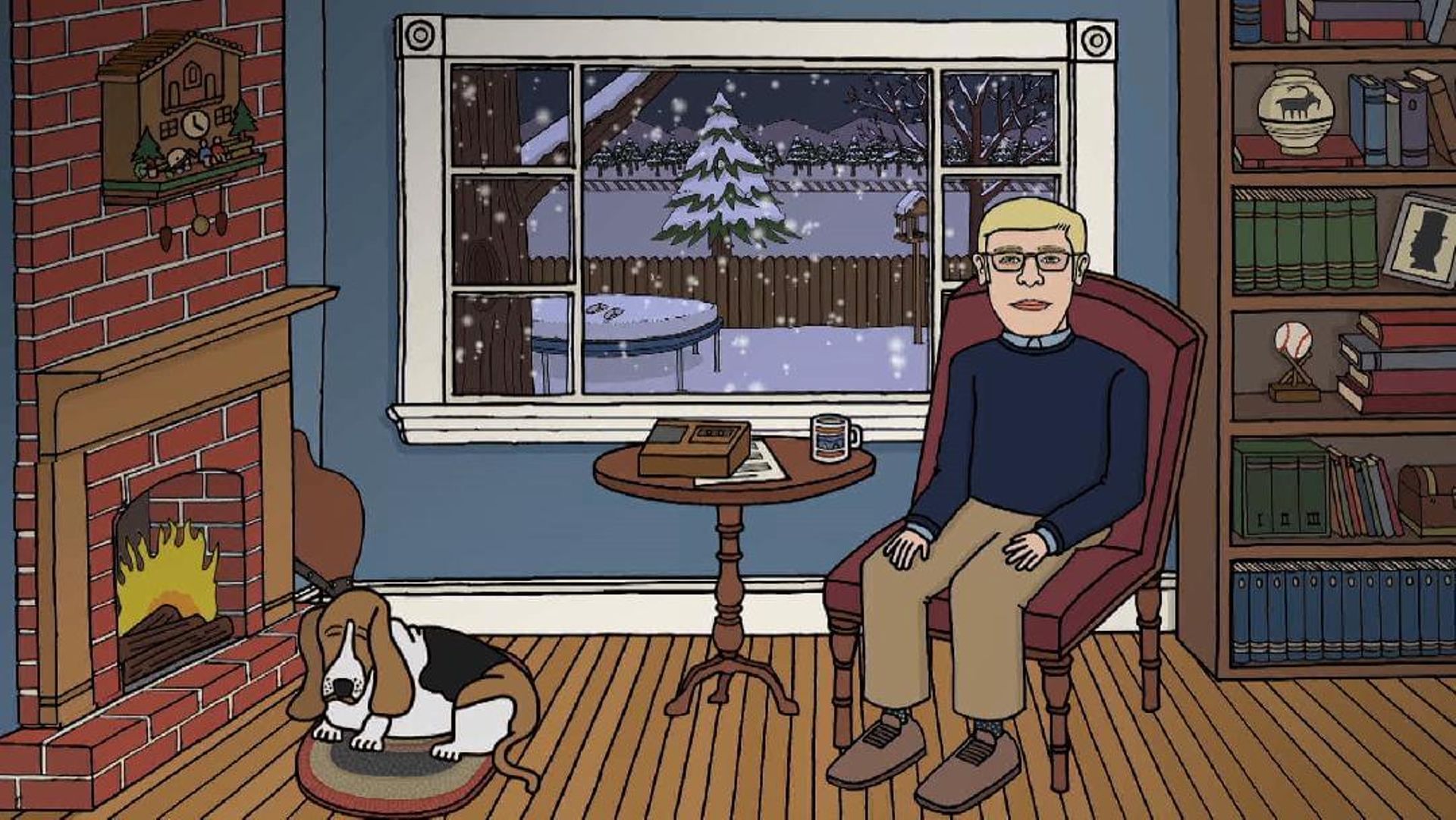
Out of the four infomercials I have watched, this was such a surprise as whilst there are dark moments of humour (and one answer phone message being stopped) this is an abruptly mellow and pleasant short. There are no shocks, no twists, no mockery of the titular Joe Pera, just a persona of the comedian who comes off as Mr. Rogers if he was permanently sedate.

The character got a series from 2018 on Adult Swim, so details here suggest there's a bit of a joke about this character being a little dull, a piano teacher with a really quiet slow voice helping you to sleep. Pera however also comes off as a sweet figure in character, contemplating a justification for Stephen Hawkins to commit infidelity on his wife, in lieu of his scientific theories on the infinite nature of the universe, only to change to contemplating how the same theories question why he should've betrayed the one woman who loved him too. Between this and his views of baseball being therapeutic, it's a nice counter to the other shorts I have seen and offers that, in reference to the controversy with Million Dollar Extreme, it shows that Adult Swim can have different sides, providing a nice warm mug of (charmingly messy) animation providing the twist of a complete lack of twist.

Abstract Spectrum: Sedate
Abstract Rating (High/Medium/Low/None):  None


Broomshakalaka (2013)
Directors: Dan Kwan and Daniel Scheinert
Screenplay: Justin Becker and Steve Clemmons
Cast: Michael McCafferty as Denny; Randall Park as Mark; Jean Villepique as Eileen; Ava Bianchi as Jenny

Broomshakalaka is playing up to the infomercial format, in which the titular object is a broom equivalent of a Swiss Army Knife, breaking physical reality by having anything from a blender blade to a tattoo removal laser in its numerous buttoned options. Obviously, it goes amiss in the three person cast, the seller and two bemused spectators, as Adult Swim can get away with gore and many of the attachments are sharp and cumbersome to use on the Broomshakalaka.

Where the infomercial improves is when these shorts have a habit of being usually over ten minutes, one of their blessings as that time scale allows a one note gag to change drastically into something more esoteric and unpredictable. In this case, apparently, sells of the Broomshakalaka can resurrect the dead, which is unexpected as the punch line and goes to show these Adult Swim productions have a very good habit of undermining expectations for more idiosyncratic jokes. The cast (especially Randall Park as the rational man going through an existential crisis as this all transpires) deliver the material as deadpan and seriously as need be, gamely performing and helping the joke.

Abstract Spectrum: Weird
Abstract Rating (High/Medium/Low/None): None


Alpha Chow (2014)
Director: Dave Green
Screenplay: Justin Becker and Steve Clemmons
Cast: Alan Ritchson as Kent Ross; Curt Neill as Brian; Justin J. Randall as Alphie

With that in mind, the last to be covered is the weakest, just because at only six minutes, an ad for body building health diet for canines that only gets past the initial joke and little else. The result is a dog related infomercial with roided up humanoid dogs that even includes a costume furries would be proud of. It is funny when man's best friend desires humanity to roll over now, actor Alan Ritchson as the stereotypical health nut body building host perfect, and it's a very weird combination of The Island of Dr. Moreau with Planet of the Apes by way of a format that is idiosyncratic to tell the tale with. It has darker layers too; the poor guest who realises what he is involved with slowly even catching in earshot that the diet is based on 1930s research, suggesting a really twisted reference to Fascist ideas.

If anything, Alpha Chow could've become a longer product. That its only six minutes, when the others escalate to weirder levels, is a detriment to it. It is nonetheless fun and a nice way to end this review. All four of them together definitely show the best in one of Adult Swim's most well regarded trademarks fully.  

Abstract Spectrum: Weird
Abstract Rating (High/Medium/Low/None):  None

Sunday, 2 February 2020

The Number 23 (2007)


Director: Joel Schumacher
Screenplay: Fernley Phillips
Cast: Jim Carrey as Walter Sparrow/Fingerling; Paul Butcher as Young Walter Sparrow/Fingerling; Virginia Madsen as Agatha Pink-Sparrow/Fabrizia; Logan Lerman as Robin Sparrow; Danny Huston as Isaac French/Dr. Miles Phoenix; Rhona Mitra as Laura Tollins

[Some Mild Spoilers]

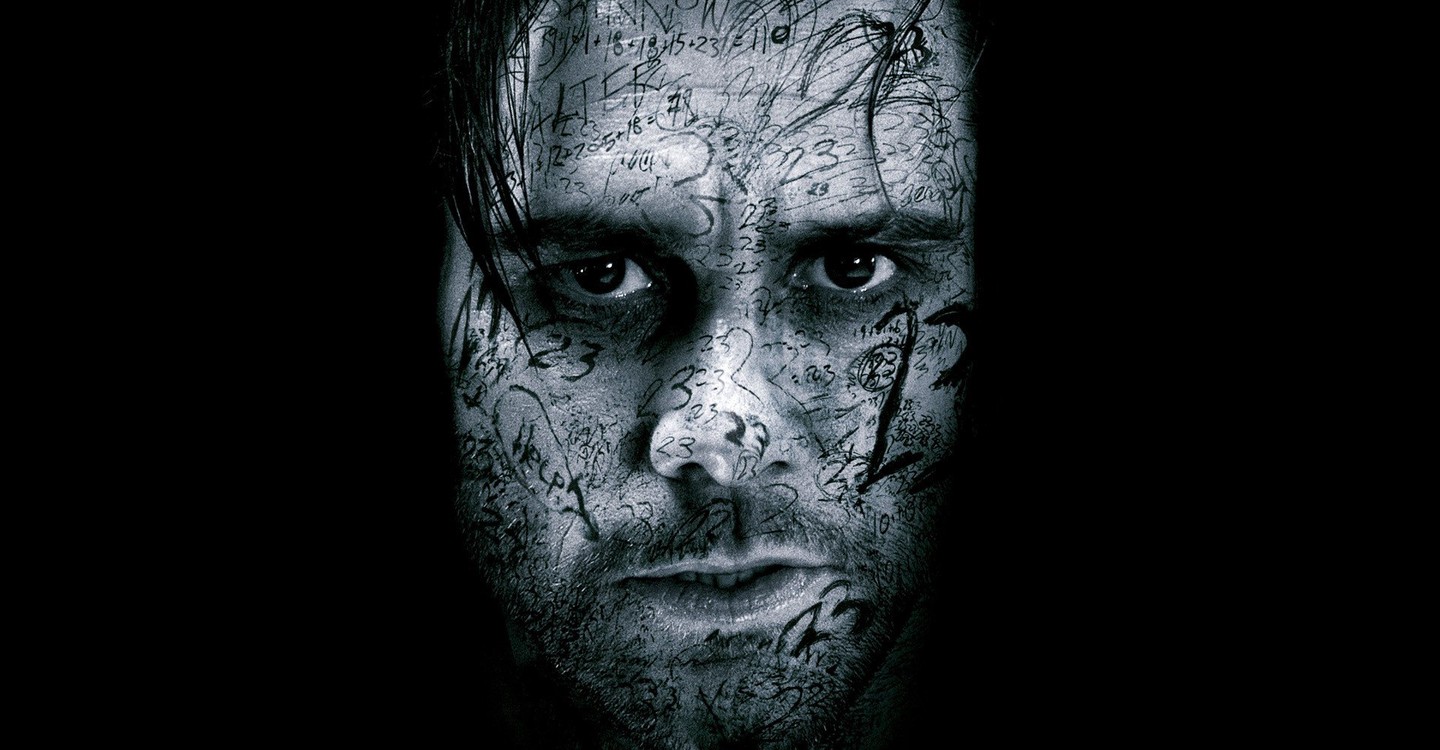
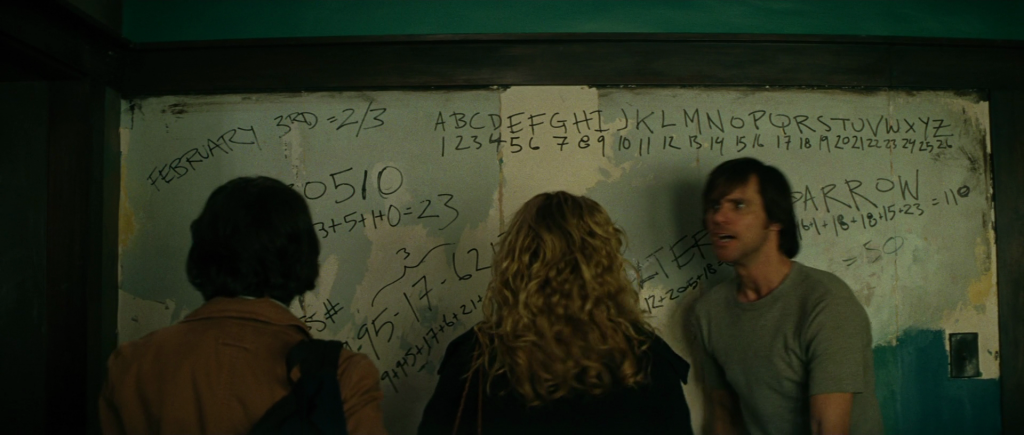
I remember The Sun newspaper running a promotional article on this film. To explain to some readers before we continue, The Sun was a right politic leaning newspaper notorious for the "Page 3 Girl", female models who'd pose topless in the page, something they stopped in 20151. The ad for what is frankly a bizarre proposition for a mainstream Jim Carrey film ran with the number 23 enigma, explained in that the number had power in that it could be found in multiple events if you added dates and data together, such as the date Kurt Cobain of the band Nirvana committed suicide. The Joel Schumacher film itself is entirely different from this. In fact a debate between Carrey, who becomes obsessed with this number when his wife Agatha (Virginia Madsen) gives him a strange self published crime novel about this, and Danny Huston, whose existence is to give monologues as he does here, debate this in one scene, as if the film itself wants to be more than this premise.

For me, I'm not particularly interested in arguing for or against the conspiracy. It's for me, as I have been obsessed with this film for a long time, more of an argument of the issue of objective truth, although I am fascinated by details like author William Burroughs being an early obsessive, recording every incident involving the number. It's surprising how many examples this film can bring up, and if you look online there will likely be more. It can be argued a) human beings can find patterns in everything, and b) some of the mathematical choices in the film, even as someone here who was always poor at maths, seem contrived in the choices the characters jump to calculating them. If anything though, if twenty three still appeared at certain events a lot, let's mimic Danny Huston's warm and proud vocals inherited from his father John that "twenty three is a very good number for this", and make it like how lucky number seven is. Superstition is not just a realm of the mystical and if also happens to exist even in calculus, it raises questions of how difficult it is to be able to fully gauge the concept, especially considering it would involve testing every example in a numerous world where examples would grow ad nauseam.

It is the thing the film is sold on even in the title, which proves a silly concept especially when Schumacher signals out the number in signs, as if the number itself is going to start stalking Carrey like a spectre ready to shank him in the end. The more controversial thing I could say, even over believing in the enigma, is being an unapologetic Joel Schumacher fan who even likes Batman & Robin (1997), even if it's a gaudy mess. Schumacher is a working director who is stylish but is dependent on the material being good - when it's not its nipples on the batsuit and ice puns. The result here, even if I am in the minority, is a curious hybrid between sincere drama, unintentional comedy, and some good material.

Jim Carrey at this point in his career is fascinating to consider to, as the beginning of the film even feels inexplicably like a throwback to his early career in films like Ace Ventura: Pet Detective (1994), as a dog catcher in a wacky segment trying to catch a dog. Eventually in the same film he will get his alter ego Fingerling in that book his character's wife finds for his birthday, decked out in tribal tattoos, stubble and playing a saxophone in a Sin City-like noir world. Carrey whilst known predominantly as a comedy did prove his dramatic chops in the late nineties and early 2000s, a film like Eternal Sunshine on a Spotless Mind (2004) the film many turn to for him being a great dramatic actor. Unfortunately most of his career had been not as heavy on this or not well remembered, as whilst it's unfair to dismiss a film like Mr. Popper's Penguins (2011) without actually seeing it for myself, they do disappear from public consciousness unless they are a big hit, a franchise creator or a critical/cult/kid's succeeds. He has babbled in drama occasionally since - one, Dark Crimes (2016), was not held very well - but he's fallen back into comedy or television, which is a same as he is as greater in drama as he is in exaggerating his body like rubber. Admittedly this is probably as much to do with his real life being a complex one, possibly drawing on real emotional issues, but he is good at these roles.


The Number 23 does show the strange position he is in where he's talented enough to pull off the angst of his character in the later half, where he eventually discovers that a murdered woman whose body was never found in central in the tale, but having to play the troubled family man against a premise with its layers of absurdity. When he's Fingerling, it is unintentionally hilarious just because of how he's been dressed and how everything has been shot, as whilst Schumacher is stylish as the best of Hollywood, and I like this bizarre aesthetic choice here, he can over do it at times depending on the tone. Also as much of this is the premise itself, how it plays at the aspect something every viewer has to grapple with as it leads to a series of coincidences having had to all transpire to make the premise work, be it secret sides and shocking lack of proper mental institution policies. If it was looser and more avant-garde, a premise like this from the Chilean filmmaker Raul Ruiz or someone as idiosyncratic would be digestible as the odd tangents would be matched by a director aware of how to present them. Here, because this is a mainstream film in a region where more traditional storytelling is expected, suspension of disbelief is a question for every individual viewer of this.

Ultimately, and one of the reasons I appreciate the film alongside its weirdness, is that it eventually becomes a story of redemption and has the courage to play this out fully, even if it might come off as hackneyed in context. The obvious twist is obvious to the point of being absurd itself, but Carrey's protagonist having to eventually make the most humane choice is more rewarding as a deliberate anti-climatic and moral choice than what's usually expected in these films. That in hindsight is an earnest but subversive streak of goodness to be surprised with from Fernley Phillips' script, when most films would not admit to the protagonists' having a justifiable guilt to redeem. That earnestness is matched by the touches I have grown fonder of in revisit, even if they are kitsch and silly, like the dog I have already mentioned being the curious watcher of the unsaved, all of which would be mocked by most people in that era of the late 2000s let alone our current one.

It isn't an abstract film, let's not get carried away, and there's definitely a bit of pure gouda cheese to pieces. Most people would have a time trying to get around the over-the-top edgy noir clichés, probably the most significant Virginia Madsen both as Carrey's wife and a death obsessed femme fatale caricature even Frank Miller would reject from his graphic novels, to the "suicide girl", a woman obsessed with the number 23 who kick starts the main crux of the film but definately belongs to the empty and questionable gender depictions. When you learn the novel's a confession, fed with a mad obsession with that number of pulp crime stories, it makes sense in hindsight alongside when Schumacher shoots the story within a post-Seven (1995) world. But bless him, even as a fan it just reminds me of his own snuff film thriller 8mm (1999), which was earnest in an extreme naivety in its darkness, as here it comes off as broad beforehand, especially as in contrast the real world with its dark and rick colours, a more naturalistic depiction, is so drastically different even in emotional tone to this stereotypical imagery and better as a result2. That the film plays off a lot closer to a drama of a father potentially losing his sanity, everyone providing a solid performance, offers another fascinating tonal layer in spite of all that I have already mentioned which complicates as much as finds much for myself to enjoy.

It's not surprising New Line Cinema released this when you've read the premise above, they who invested in some curious productions over the years, from Xtro (1982) to Snakes on a Plane (2006). It's sad that they no longer truly exist as even the franchise that put them on the map, the Nightmare on Elm Street series, was weird from the first film and progressed onwards.  They were not long for the world after this, thanks mainly to The Golden Compass (2007) being such an expensive production that didn't pay off, but I seriously doubt the likes of The Number 23 and Snakes on a Plane were helping either. It fits the company that, if this had been a low budget genre piece, it might've at least had a cult audience, but as a bigger budgeted work, it's now one of those films that I am amazed was bankrolled in the first place. And I openly admit enjoying the film in its own odd existence, but I will also be the first to admit its a perplexing creature to exist, between sincerity and ridiculousness, mostly entirely because it latched onto its premise.

Abstract Spectrum: Weird
Abstract Rating (High/Medium/Low/None): None


===========
1) That most of the models were around if younger than twenty years old, from memory, raises some questions for myself about the entire concept but, yeah, we once had a newspaper (or two) in Britain where no one batted an eyelid to there being a topless model among the news, The Sun the tabloid which was the most famous for this. It didn't bat an eyelid to have this newspaper easily available for kids to see either, and I openly admit it was something as a young teenager I deliberately glanced through for that page, on my late grandmother on my father's side at her house, eventually just reading upon articles like the one mentioned in the review in the end.

2) The cinematographer was Matthew Libatique, who is mostly known for working with Darren Aronofsky throughout his career, which does mean he worked on Pi (1998) but also mother! (2017), which looked go but because of its director I'd argue is more ridiculous than The Number 23 will ever be.

Thursday, 30 January 2020

The Limits of Control (2009)


Director: Jim Jarmusch
Screenplay: Jim Jarmusch
Cast: Isaach de Bankolé as Lone Man; Bill Murray as American; Tilda Swinton as Blonde; Gael García Bernal as Mexican; Hiam Abbass as Driver; Paz de la Huerta as Nude; Alex Descas as Creole; John Hurt as Guitar; Youki Kudoh as Molecules; Jean-François Stévenin as French; Óscar Jaenada as The Waiter; Luis Tosar as Violin

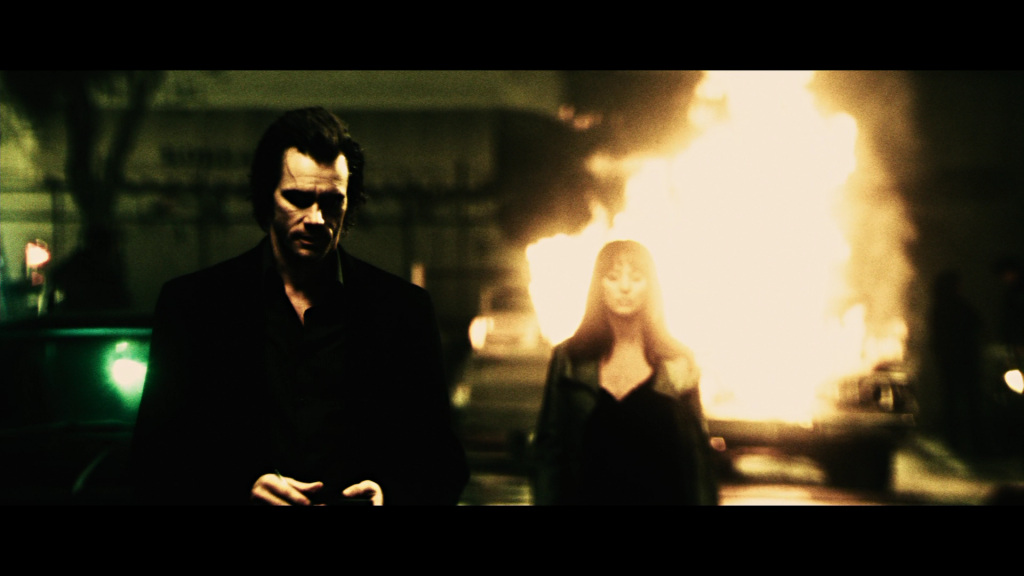
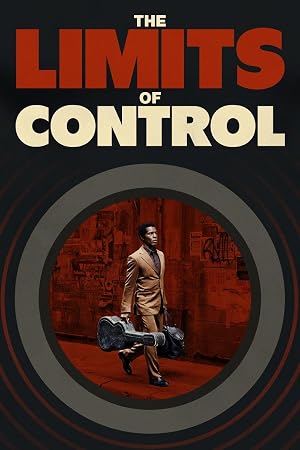
For today, we have what is regarded as Jim Jarmusch's less regarded film. Openly, on the offset, I have come to love The Limits of Control initially in mind that, in lieu to a career of mainly dialogue heavy films, and with his debut Permanent Vacations (1980) the weakest I have seen, the reputation of the film comes as much from how boldly he stepped out of his comfort zone rather than whether it was an artistic disaster or not. The tone is one you have to appreciate immediately or the film will not work. Tonally, the choice to score the film to drone metal is the perfect symbol of what Jarmusch's last 2000s film really is, a stretching of simple factors as furthest as possible in slow prolonged riffs which build. To watch The Limits of Control is the director-writer stretching his obsessions and a crime story to their extreme minimalism.

Here he has an assassin story, told with clear nods to the European film traditions of existential qualities, but also as an incredibly minimal series of vignettes building from his habit of acquiring very distinct casts just to have walk-on cameos. It is an experimental risk that would divide even his fans inherently. What the plot is turns out to be very simple and easy to grasp if plotted out - Jarmusch regular Isaach de Bankolé is sent out on a contract to kill an American politician, but the film itself is about the journey, following various different figures exchanging matchboxes to the next person, all of which end up on conversations about everything from movies to even the potential scientific uses of molecule research.

It's droll, esoteric and would be immediately accused of pretentious; here is a world of assassins where Tilda Swinton is a silver wig and cowboy hat can go into a conversation about The Lady of Shanghai (1947) not making sense. Where it all makes sense for me is that the hectic (possible) reality of hired killers is clearly not what we have as is usually depicted but something else. In complete honesty, the only aspect that feels absurd for me is that actress Paz de la Huerta spends most of the film entirely nude or in a transparent raincoat only, probably in the only moment of Jarmusch's career he ever seemingly, for better or worse, had a boner in his art. Aside from this, this is still a playful Jarmusch film, the slow pace not as extreme as even how drastically glacial Gus Van Sant's films became in the 2000s, to compare to another American indie auteur, but is instead leisured and zen like.

Even the dialogue is not that surprising when, in Only Lovers Left Alive (2013), two vampires can talk of underground bands, his cinematography a catalogue of long and lengthy tangents that were always of a sign of Jarmusch being a proto-hipster. The difference between him and Quentin Tarantino was always his sense of a warmer humanity rather than an overt archness, and this applies to The Limits of Control as, for all its languid moments and tangents, the dialogue does has sparks of amusement or a willingness to raise an eyebrow at itself when characters start bringing up quotations.


Helping considerably is the cast, Bankolé a magnetic prescience who spend the film almost entirely mute, his rituals like ordering two cups of espresso at once given a light conviction to them without being heavy handed quirks. Beyond him, Jarmusch has since the start of his career always attached himself to idiosyncratic actors. de la Huerta, despite spending the film mostly nude, a blunt literalisation of a femme fatale that is played for clear humour1; Tilda Swinton, who'd work with Jarmusch onwards from this film; John Hurt, in a nice cameo talking about the real bohemians; a returning Youki Kudoh, from Mystery Train (1989); and many more. At whatever point, likely Mystery Train as it was a three part anthology, Jarmusch became obsessed with even casting minor one scene roles with distinct faces, character actors, even non-actors like Screaming Jay Hawkins. Whether it succeeds or not each time, it does at least mean you care about the side characters, as he always cast good actors who can make dialogue like here credible or have figures that stand out.

Notably as well, in terms of casting, he had the legendary cinematographer Christopher Doyle on this production, and set in Madrid the result is sumptuous, contrary to its plot for a clear deliberateness. Large portions of the film are devoted to Bankolé's hit man waiting (from visiting an art gallery to sitting at cafes) which doe add to the entirely deliberated neutered tone that likely irritated many; I fell in love with this because, not only is it clearly going for a meditative state, but Doyle's work is gorgeous here, one of his less overtly colourful or heightened productions, but with a sense of style that is rich.

Of course, the score as mentioned is drone metal, a genre I am fond of, compiled of many legends of the sub-genre such as Earth, the pioneers of it, to the likes of Boris and Sunn O)). Drone metal, in which a single riff can be purposely slowed and extended out for minutes, has found itself in the curious place where it is appreciated by non-metal fans, once described as being "raga played in an earthquake"2. It is one of the most extremely experimental genres because of it minimalistic, a genre that certainly adds atmosphere as it emphasises the slowness contemplative state of the world we see onscreen.

Tonally the film has a repetitious nature which adds to the material, haziness from the phrase used to indicate each person Bankolé has to meet, "Do you speak Spanish?", to the motif phrase of a proud man being recommended to visit a graveyard to realise where humanity is. The sense of ominousness, the motif of death, does grow on a rewatch, felt for me now similar to Dead Man (1995) which was scored to a noisy rock instrumental score from Neil Young. A sense for all the humour and clear delight is still to be had in the references to classical art, but the existential nature of the film does play off this sense of mortality. Likelihood is that Bankolé could easily represent the Angel of Death on interpretation. It doesn't detract from the pleasures to be had, as this is a film where a guitar string literalises the weaponisation of art, but it feels sombre as much indebted to its influences as it is Jarmusch's own work.

The result, in its lack of a lot of dialogue or a full plot, turns into being a shifting experience, one that is fully experienced instead of exposited. The result is, controversially, becoming one of my favourite of the director's films as it's a one-off, a work that I came to with lowered expectations and a decade plus wait, only to grow into this magnificently atmospheric and powerful piece.

Abstract Spectrum: Atmospheric/Minimalist
Abstract Rating (High/Medium/Low/None): Medium


=====
1) Its fascinating to think, in how I remember this period, that Paz de la Huerta was almost being held up as being a new voice after her appearance in Gaspar Noe's Enter the Void (2009), a name of interest in casting only for her to disappear in the early 2010s. Obviously the real tale in more than this, with roles before and a career of performances into the 2010s, but the casting here the same year always had a sense of weird synchronicity that never lead to anything else.

2) A reference to this article on the sub-gebre. 

Friday, 24 January 2020

Hallucinations (1986)


Directors: John Polonia, Mark Polonia, Todd Michael Smith
Screenplay: John Polonia, Mark Polonia, Todd Michael Smith
Cast: John Polonia, Mark Polonia, Todd Michael Smith

[Some Minor Spoilers]

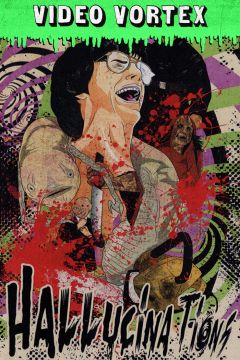
If anything, this feels like an appropriate way to talk about the Polonia Brothers, twin micro-budget filmmakers John and Mark Polonia who made curiosities like this or Splatter Farm (1987). They kept working through the nineties and millennium, and whilst John Polonia passed in 2008, his brother Mark is making films to this day. Around the time of this review, admittedly one of Mark Polonia's solitary films I watched was Bride of the Werewolf (2019), which to be brutally honest wasn't interesting, sluggish and without a spark to it.  Thankfully, Hallucinations is a better glimpse at their cult reputation, even if you didn't take into consideration where this film is made by three people who are the only cast, the Polonia brothers and co-director Todd Michael Smith, the Polonia brothers just between seventeen or eighteen, and Todd Michael Smith only a year older.

As Hallucinations shows, a lack of resources is not a detriment, a joy to be had in this film from Middle America where the cherub faced and pencil moustached leads are barely into being adults onscreen, nonetheless going for broke with the energy behind the camera. The aforementioned three, baring a cat, take turns to play strange hallucinations that start to plague the (same) three boys left on their own their mother is absent at work, be it a hooded monk to a loon using a blowtorch. About these three sad people, one of the Polonia playing the sensitive "younger" brother most affected by their mother's absence, the film is surprisingly melancholic alongside its strange sense of violence and weirdness that adds a great deal.

It is a slow start, segments setting up their ordinary world including establishing the snow covered rural environment, or the amusement of a Polonia using a sex phone line with one of the directors clearly providing the women's voice on the other end. It does escalate within the surviving VHS transfer's haze, as Hallucinations does get increasingly strange. Helping the film is that, rather than attempting to be a complex narrative with limited resources, its three friends creating a string of gory and odd sequences tentatively strung together a surprising consistency throughout. There a surprising maturity among the silliness too, in that for all you will witness, it's a film as much about absence and loss that influences what takes place. Even when the first major event transpires, the abrupt death of the family cat, it's played less with gusto but an actual tragedy even if a doll will urinate on her photograph in the later segments.

And, to this young trio's credit, whilst the moments of splatter are surprisingly accomplished, it gets increasingly darker in its post Nightmare on Elm Street logic. Let's not ignore the practical effects - basic gore and fake dismemberment, but someone also created a false torso for one of the Polonia brothers to wear, wisely shooting the prop by itself in close up when one of them have a blowtorch burn through it in a torture sequence in a basement. When the hallucinations get weird though is where things get interesting and in inspired ways, probably exemplified by one of the Polonias on a toilet defecates a knife from him, a legitimately surreal and freakish idea which is both perversely funny but would actually cause an audience to squirm.

A lot of the hallucinations are simply put together using stop motion techniques for some, editing techniques or one of the trio in a costumes for others, which are b-movie horror images that in some cases have a real primal fear to them on this lo-fi video, like a crazed psycho in one chasing a Polonia through a field in snow bound daylight. Even the weirdest ones have a semblance of real dream logic, such as a doll coming to life and pissing on people, mocking someone for their sadness, a playfulness to psychotronic cinema found in Hallucinations but also vivid at its best as here. That the film is shot in such a fragile medium as videotape helps greatly, late eighties Middle America here not took in with trends and having near timelessness as a result, an isolated house in the snow with all the VHS noise and ghostly effects affecting the material profusely.

The result is a good way to "get" this type of cinema. Barring an implied encounter between a cat and a chainsaw, and the whole thing with a knife, Hallucinations could be easier to sell to people if they know how it feels like an accomplishment in context, considering the resources at hand, literally three people and whatever they could access or provide. The fact it's all under an hour means it doesn't test a person's patience either. Barring in mind the participants' ages and the pace, that there's nothing particularly here that becomes sluggish or falls into an aimless attempt at exposition is increasingly better when it concentrates on other material. The Polonia brothers as mentioned continued, but Hallucinations for me was a breath of fresh air which explained their appeal considerably. Definitely, absolutely, a rich vein of weirdness to appreciate.

Abstract Spectrum: Grotesque/Hazy/Psychotronic/Surreal/Weird
Abstract Rating (High/Medium/Low/None): Medium


Tuesday, 21 January 2020

Best of 2019: Part 4 (20-11)


Link to the first part HERE.

Link to the second part HERE.

Link to the third part HERE.


20. Long Day’s Journey Into Night (2018) [UK Theatrical Premiere]
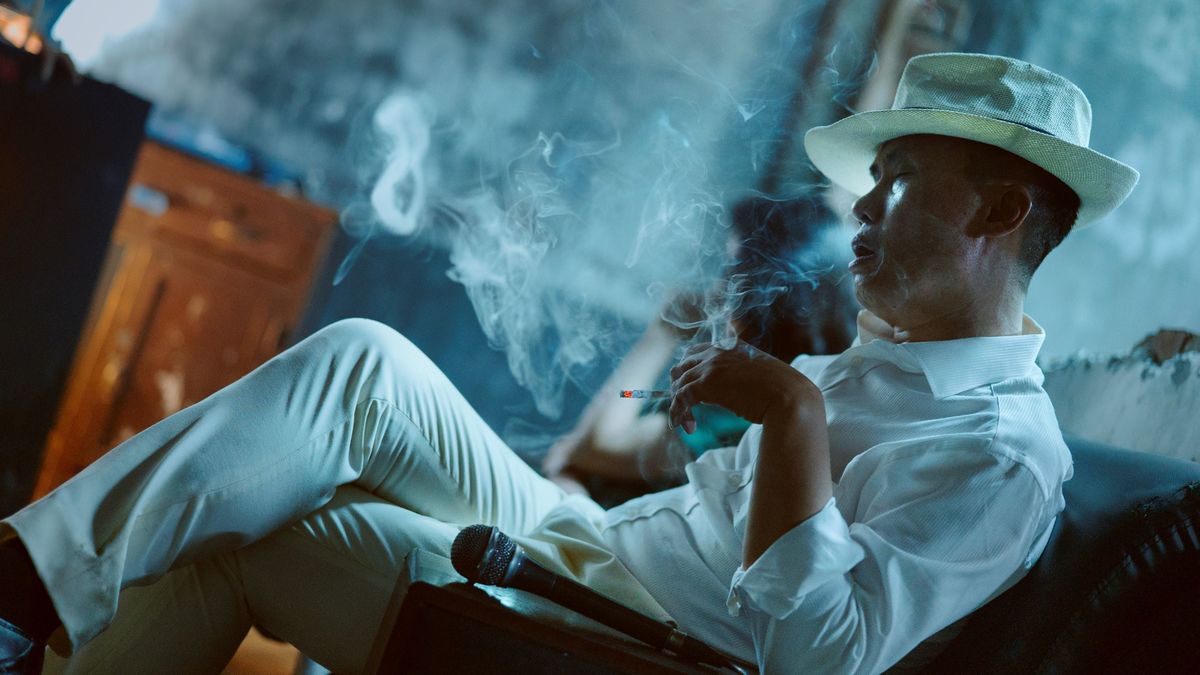
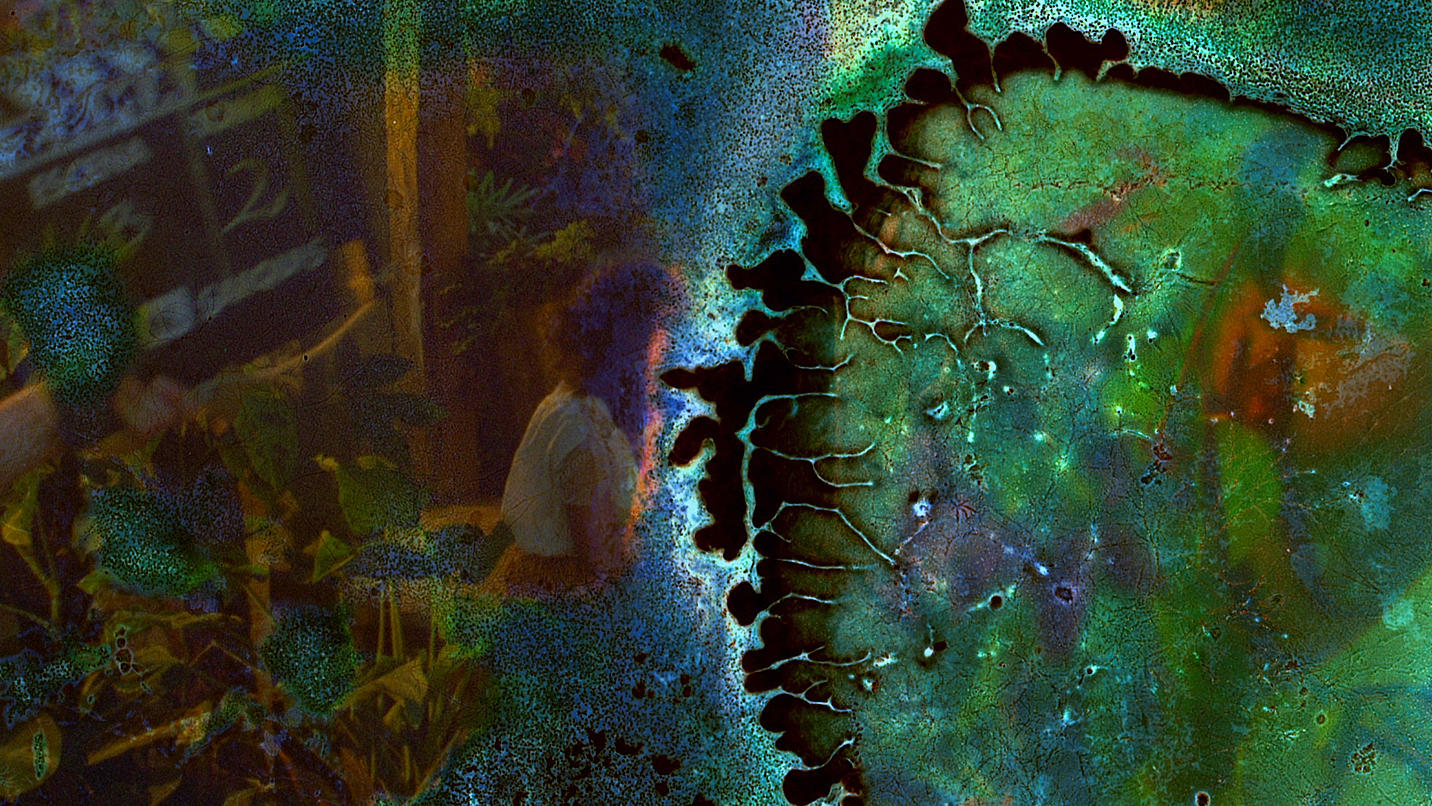
Bi Gan's newest film is a fascinating piece to even consider. Its notorious debut and success in his homeland of Mainland China is itself part of the tale, as Long Day... premiered on New Year's Eve in its homeland and marketed as a romantic film, gaining a huge box office sum in spite of the fact it's actually an experimental crime soaked romantic drama. One into two halves, the first clearly indebted to Wong Kar-Wai, the final half shot in 3D and a single take, much to the bafflement of paying customers just expecting a conventional romantic drama to pad out a very important holiday.

I don't want to either dismiss or just openly embrace Long Day... yet as Gan's film is full of details I wouldn't be surprised grow in layers on multiple watches, something that I think is necessary to fully appreciate this work. It's a tale about a man obsessed with a woman which yet can distort the chronology with flashbacks to the past and also has, in that middle split, actors switching roles including the legendary actress Sylvia Chang throughout the feature length. The visible debt to Kar-Wai, who was making films like this before from Days of Being Wild (1990) onwards is felt, and possibly could be an accusation of Bi Gan making an empty imitator, but so much in Long Day... has stuck with me.

That final half, whilst tragically one I couldn't see in 3D as intended, has become one of the best moments of the entirety of 2019 and not just as a technical feat either, something spectacular in terms of a sudden jump into magical realism, even if it's by way of just the camera being carried along great heights by the production crew, to bittersweet romance and having to execute as long a take as possible. Sadly a film like this is going to be nigh on possible to see as intended unless we drastically change how cinema is distributed to everyone - even in Sheffield, a major cultural city in England where I saw the film, I couldn't see Long Day’s Journey Into Night as intended, losing Bi Gan's trump card having its full impact. Thankfully in just being able to see it, I witnessed a unique film still.


19. Hustlers (2019) [World Theatrical Premiere]
Here is a film I am surprised is as high on the list as it did, having felt originally Lorene Scafaria's second feature suffered from not fully tackling the moral complexity of its subject, the subject of a New York magazine article where female strippers in the midst of the late 2000s economic crash started drugging male clients and stealing their money. As time has passed however, Hustlers despite being the kind of conventional narrative American cinema I usually forget about has managed to stay higher in regard in my mind over some particularly experimental and ambitious work, which is a feat in terms of how when Scafaria succeeded, she knocked so much out of the park in terms of successes.

And its really a compilation of successes. Constance Wu standing out in the lead. When Jennifer Lopez makes a triumph first entrance into the film, managing to pull her own weight in terms of a great performance throughout afterwards. The moments of female comradery, particularly at a scene over a Christmas Day this is touching. The nightmare of the driverless car. The moments of moral complexity which remind you that, actually, what these lovable characters are doing is morally wrong and problematic, laced with the reasons why they'd be pushed to it, the banality of a day-to-day job, and the whole issue that the male clients robbed are hesitant to even get cops involved, revealing gendered issues that add flavour. Only the sense that a) there's an entire aspect of these characters' blind obsession with material wealth that needed to be raised and b) some more moral complexity lacking suggests Hustlers has any flaws, still a great film in the film. It's definitely a superior take on a similar subject Sofia Coppola tackled with The Bling Ring (2013), a significantly deeper take on its own subject of criminality involving materialism than in that case.

My only hope is that Lorene Scafaria, after this as Hustlers did very well, becomes more ambitious and takes more risks as she clearly has the chops to make good films, just needed to take a plunge into more idiosyncratic cinema. Also the person who choose all the pre-existing music also needs to be hired more if they aren't already, as it actually suggested that I have been dismissive to bubbly electric-tinged pop music and RnB from that era for far too long, some of the best timed choices of music here in any of the work on this list.


18. Keep an Eye Out (2018) [MUBI Streaming Premiere]
Quentin Dupieux has sadly not had any of his films barring Rubber (2010), the ideological text of the Cinema of the Abstract blog in honesty, released in the United Kingdom in the 2010s. This is a tragedy as he's one of the few people of these odd films I adore who have been consistently making movies over the 2010s, when many falter or are prevented from, and Keep an Eye Out as a peculiar farce under eighty minutes is just golden. Somehow he keeps getting work produced, and he's effortless in this mini tribute to the likes of Luis Bunuel and absurdity that he can qualify as an unsung auteur if this is his usual batting average.

Following a simple scenario - a police detective questioning a witness - this tiny little film gets into some deliciously absurd, and well acted, scenarios worth seeing if you can. Individuals will find themselves in another person's flashback. A clam with shell will be eaten. And you will be very careful from now on when holding an angled ruler, let alone begin running with one, in case of injuring oneself.


17. The Endless Film (2018) [MUBI Streaming Premiere]
From one fascinating MUBI discovery to another, this Argentinean project one which has stuck with me as, per its non-English title La película infinita¸ the possibilities are endless when it is built around unfinished films from the film museum in Buenos Aires, constructing that which exists into a form to watch but can have beginnings, no ends and bleed into half dreamt dreams. Whilst the execution does have to try to put together a drastic variety of material which can be awkward in production, from a previous attempt at adapting the novel Zama from 1984 that Lucrecia Martel eventually completed in the 2010s to an animated sci-fi film, it's compelling to even see the unfinished.

It is also unmistakably weird and eerie at points to watch, as some of the larger portions have so much potency in what was never finished, like surreal mini sketches. A woman investigating one man finds herself shooting another in a room with a fish tank, whilst another seemingly has a man obsessed with the drawings of Leonardo Di Vinci in what feels like a monochrome surrealism horror film. All of it is compelling, and the obscurity of such an experiment is a tragedy to consider when it's as strange and rewarding as this result. Quite frankly, the idea of there being a La película infinita for every nation's cinema, of unfinished films compiled togehter, is tantalising to consider seeing this.


16. Doctor Sleep (2019) [World Theatrical Premiere]
And here we have a film overcoming a huge obstacle. Director Mike Flanagan, who is arguably one of the most successful horror directors of the 2010s just for how prolific he was, when faced with the task of adapting a sequel to Stephen King's The Shining, but contending with the 1980 Stanley Kubrick version the author notoriously had issues with, found a mercurial balance between them where both communicate together. Notably, this feels less like the horror product sold at the end of October 2019 but a serious film in its own right, less frightening but clad in a melancholic darkness tinged in hope. That it is entirely dealing as much with King's issues with alcoholism and addiction, as it is as a dark tale of soul devouring immortals, is a huge factor in this when it is as well executed as possible.

Also in mind of this being a big Warner Bros. release, Doctor Sleep is surprisingly unconventional, with some of the best and most inventive uses of CGI in the genre as well finding a way to make its sudden change into world building, which has a level of absurdity to the plot and its mechanical if thought about long enough, still work. When The Shining is explicitly referenced, and becomes the backdrop of the finale, this is a rare case of a film following on from the original that doesn't feel like its besmirching the original's good name. By referencing The Shining with actual emotional resonance, Flanagan manages to success; as the first film of his I have seen, this is a good sign to investigate his career further.


15. Ad Astra (2019) [World Theatrical Premiere]
Whilst there are still films left from the old order to be released - Terence Malick's A Hidden Life (2019) for example, which got a January 2020 release in the United Kingdom - seeing James Gray's Ad Astra felt like a ritual funeral for 21st/20th Century Fox before Disney bought them, as for every commercial film they releases, Fox took some very idiosyncratic and artistic risks over the decades I am slowly growing to admire. Some were just gauche, but their work even up to the Disney acquisition is of a very different kind of cinema from the blockbusters they sold like the X-Men franchise, not just experiential risks but The Old Man & The Gun (2018), director David Lowery with Robert Redford making the kind of film Fox themselves among others made back in the seventies, which is idiosyncratic in itself before you realise this is the same studio that bankrolled Terence Malick's The Tree of Life (2011) but also Zardoz (1974)...

Ad Astra does have action beats you could put in an enticing trailer, and they are still spectacular, James Gray interesting as the "serious" director who however started in crime narratives and explored aspects like this before in his cinema like in We Are The Night (2007). Also of note is that, as here, Fox's more ambitious work under their label or Fox Searchlight sub label tried experiences as long as bankable actors could be on the marquee, to which Brad Pitt is to be thanked for a very underappreciated American director to get a multiplex release finally which isn't compromised in the slightest. There are suspicions the theatrical release had important aspects excised, such as the complete lack of Liv Tyler, but considering how much of a cerebral sci-fi film this is, so much still succeeds.

And it's surprisingly bold for this type of film too, right down to Gray hiring "experimental film consultants" to influence the visual structure of his film.  It's a better take on a bleaker sci-fi existentialism than Claire Denis' High Life in honesty as, whilst the film does have a dark viewer of our place in the world,  and Denis' film is still great, the main theme is discovering hope and oneself at the end which offers something considerably more powerful in the end then emptiness, felt with a sense of scale in terms of an adventure narrative (even Moon pirates) that gets the balance right. Also this will not be the last time Brad Pitt is on this list, a man who has thankfully earned the reputation (if he hadn't already) that even if his face sells the film as a big star, he likes to produce and star in bold films like this we all win from.


14. How Fernando Pessoa Saved Portugal (2018) [MUBI Streaming Premiere]
Eugene Green, an American born French filmmaker, has sadly had little of his work available which is a shame as, having the luck of seeing almost if not all of it, he is a truly unique figure, felt like a cross between Robert Bresson with a whimsical nature that occasionally appears, with the influence of all the good bits of Christian thought without any of the terrible aspects no sane person would (should?) believe in. He is idiosyncratic, the man of high art and music, Christian theology appearing in his film, but one of his best film reinimagines a medieval fantasy where the knight is a man in jeans with a pet lion (i.e. a dog) and no viewer would not be able to get past it in the end.

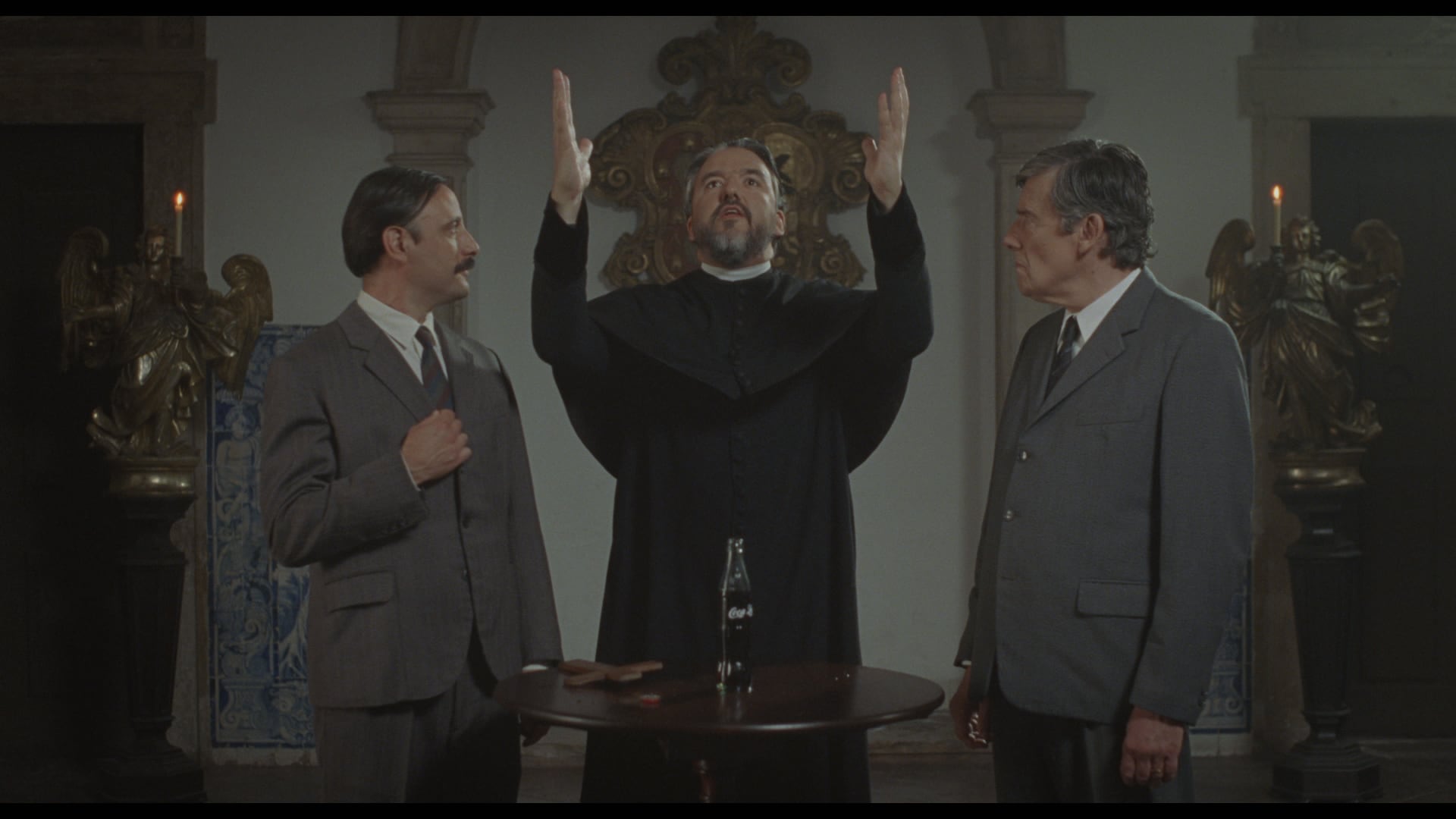
For his "short feature", this tale of how real life poet did try to get into advertising just to make some money, can be read on multiple levels. An obvious anti consumerism joke, as his advertisement for a brand of cola gets the soft drink banned in Portugal, gets more complicated knowing that Coca cola was banned in Portugal until the late seventies and that the film is littered in very idiosyncratic details, from the various forms of Christian thought clashing to the notion of a former King who disappeared in a war only to turn into a legend that will return to rescue Portugal. The main star Carloto Cotta also immediately stands out as someone to watch as a damn good actor, so drastically contrasted by his role in Diamantino (2018), a film that I sadly could only catch after the cut-off point of films for this list; suffice to say, contrasting his innocent child-like football player character in that film's lead to two roles here, drastically different, presents us with both a striking physical prescene in Cotta and also a great Portuguese actor to watch, especially as he's starred in some pretty idiosyncratic films from his country I need to actually get to now.

Plus this short feature has a cola bottle being exorcised, which is as funny as it sounds and is also one of the scenes of the year. I am deliberately leaving that unexplained and request, if you can, just to track down and watch the film yourself.


13. Once Upon a Time… in Hollywood (2019) [World Theatrical Premere]
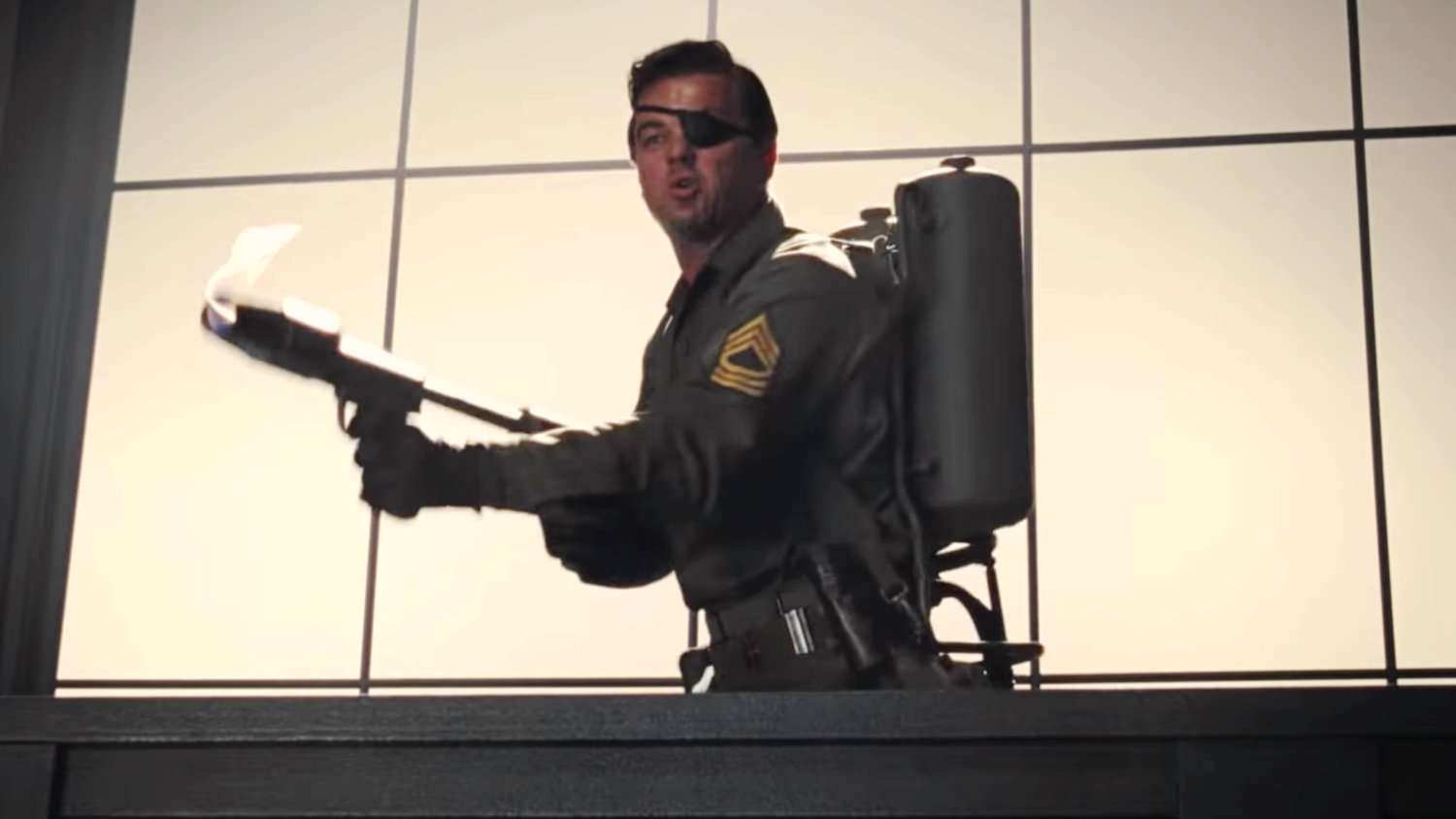
Quentin Tarantino's latest is a curious film to unpack isn't it? It's had its detractors, especially when one of its leads (played by Brad Pitt, in another bloody good performance) is a morally grey figure just for a flashback with a harpoon gun despite being very likable. It's also evidence of, between him and the Coens, the later sadly jumping to Netflix for their last film, Tarantino has been one of the only major Hollywood directors able to get away with films that do well at the multiplex that can be this unconventional. That might be too simplistic, as one hopes there are major talents getting away with unique films, but as a director who always gets a large summer premiere for his films in English multiplexes, always so far in the late summer, no matter how unconventional and even violent they are is something really to consider as a minor miracle.

Plus this film by itself would be considered odd if dissected from anyone. A multi strand period piece which reinterprets the Manson Family murders, an ode of late sixties American cinema (not the hippy stuff, but all the uncool movies), possibly a very conservative ode to b-movie westerns and macho TV series, a buddy comedy, a great acting role for Leonardo Dicaprio, and something difficult to actually pin down in what it actually is when originally we presumed this to be Quentin Tarantino's horror film when he first planned it.

There are some issues. The violence for me was the very divisive issue, not helping with the concerns of this being an ode to problematic traditional "values". The Bruce Lee versus Brad Pitt scene may have been an ill advised decision depending on the context the viewer views it through in honestly. Aside from this, its constantly hilarious, always rewarding even in terms of the pop culture it is reference, and has a spine tingling conclusion as, playing to alternative history again, Tarantino does hit a bitter sweet nerve that has stuck with me over the year as one of the best endings of the films I've seen. This is definitely a difficult film to judge for opinion, but Once Upon a Time... is this high up because of how ambitious the film was and all the moments it feels like a master auteur, the old guard, hitting all the right moments. Its definitely a film too that, even if he does intend to retire after only a couple in the next decade, as Tarantino has threatened, argues he as one person where every film he's made is unique and has to be unpacked by itself, earning that because of the virtues. People might grumble, might think he's overrated, but as someone who at Inglourious Basterds (2009) was considering dismissing him entirely as he dropped the ball miserably too many times at that period, only to see everything he made throughout the 2010s on the cinema screen, gives me the sense of having seen his detractors' side but come to admire the man nonetheless when he succeeds.


12. Ash Is Purest White (2018) [UK Theatrical Premiere]
Another veteran, and Ash Is Purest White accomplished an awakening realisation how I slept on Jia Zhangke, who like Quentin Tarantino defies what genre actually is and takes such incredible risks in this narrative tale. He is a very different director, before anyone wants to stretch the comparison, but this is yet a film that starts in a crime mood, of a gangster's moll who, over multiple time periods, grows when arrested back at the start of the Millennium. The moment where Zhangke tackles the obscure aspect of China's UFO culture, in the middle of a desert like country region, was where he won me with his bravery and willing to take any risk just because he went in a director, in what's in the night sky, that you'd never expect to find from a sombre director like this. Its bravado that is pulled off and from the least expected source, showing how good he is.  

Guided by Zhao Tao, who has been in almost all his films, Ash... takes constant inspired tangents throughout interlaced with great dramatic sequences lead by Tao's incredible performance. Jumping through different time periods, including a return to the Three Gorges Dam, the subject of his 2006 film Still Life about the flooding of the region for a damn, to a sequence of Tao trying to con awkward men in a restaurant for money to the UFO side piece, so much of the film (effectively vignettes) stands out still upon reflection.

The miniscule pieces of political commentary when they appear are subdued, more of the changes to mainland China by way of the hedonism of the first half, to the grounded reality as a former female criminal has to survive in the new world she returns to. And even then, Zhangke causes you to wake up when he suddenly has a fight scene involving motorbike helmets in the middle of a crowded night street, a scene you would never expect from a naturalistic filmmaker like Zhangke, but is executed like the best of an action film with the added virtue of a director of his style bringing new aspects to it.

Ash is Purest White as a result, alongside Long Day’s Journey Into Night, do offer some promise into the 2020s of individualistic cinema coming from mainland China. In spite of the many issues with Chinese politics let alone in terms of cinema, where they've pulled films out of film festivals, and the taste for blockbusters that dominates, these films feel like subversive gems without needed necessarily to be heavy handed in politics, just defying conventions.


11. Welcome to Marwen (2018) [UK Theatrical Premiere]
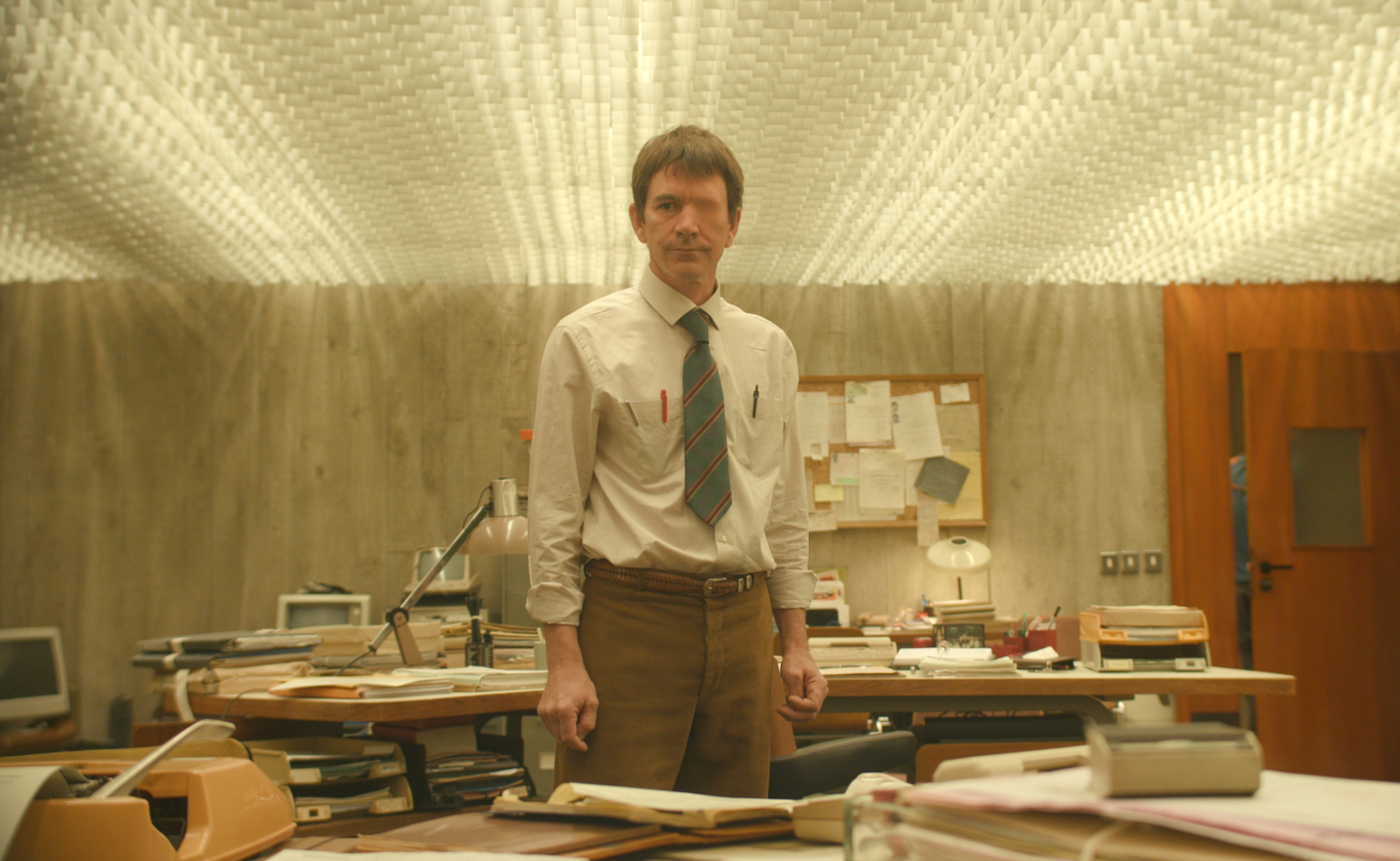
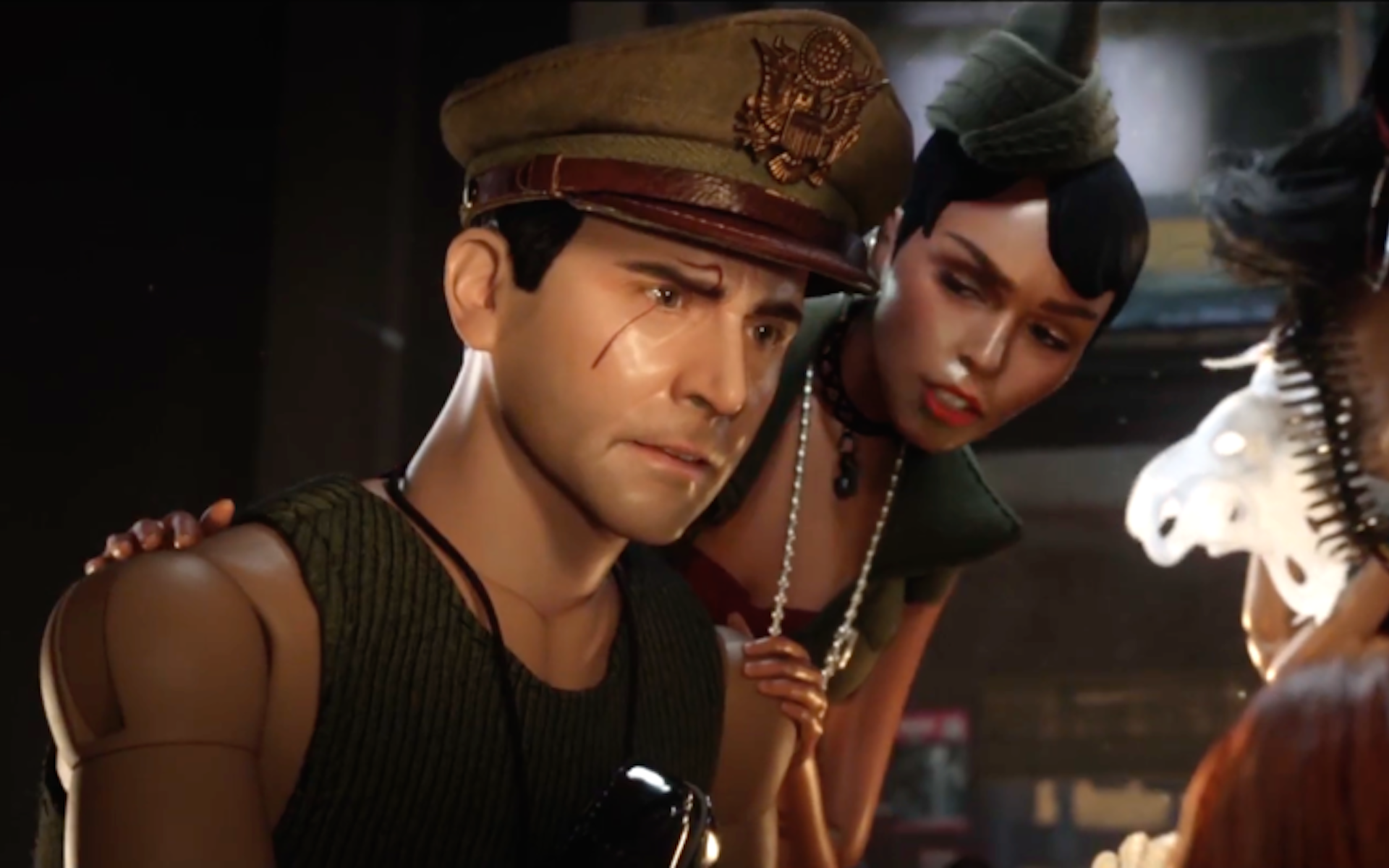
And finally, before we reach the Top Ten, probably the most controversial choice this high up as Robert Zemeckis' peculiar biopic is an acquired taste. Really it begins with the creative decision to try and make a sanitised, feel good version tale of the life of Mark Hogancamp, a man whose life was documented in Marwencol (2010), a documentary I saw in the early 2010s showing how, after a vicious beating left him permanently debilitated, Hogancamp rebuilt himself through a miniature fantasy World War II village populated with dolls which recreated tales of his life and fantasies, eventually gaining traction as an artist as his photographs of these stories caught peoples' attentions. His is a tale worth seeing.

Hogancamp's tale is also much darker than a film that was released as suitable for twelve year olds to see. There is explicit details at hand in his work, a man who is open with his obsessive collection of women's shoes whose beating was a result of him openly admitting he was a cross dresser, material that needs to be treated with care for him. There's also a fetishism coming into his work as this village, in-between gruesome death as Nazis permanently try to attack it, is also populated by tough sexy women based on real women in his life, alongside the clear sadomasochistic aspects that occasionally appeared, as his hunky square jawed stand-in can find himself stripped and beaten by said Nazis quite a bit. Its content, this and the subject of trauma, leaves Welcome to Marwen visibly in conflict with itself, a fight between a sanitised and sweet tale where Steve Carell plays him as a lovable man against Hogancamp himself, who in Marwencol can only be seen as utterly sympathetic but is a character even in the fictional version who is so much more complex and shaded. Especially with how Carell plays him and the plot, where he takes interest in a female neighbour, there's a darkness in this fictional version which leaves the question of how much is this the film getting away from the director, or is the director knowing where he was heading.  

Also, not only does the film succeed in this compelling and frankly jarring complexity even as a film, let alone its form itself being antagonistic to itself, the execution of what Marwencol (Marwen) is in the fantasies itself is Zemeckis, after his constant obsession with radical special effects, finding something legitimately surreal where the quirks of his experiments blossom rather than become vices. The film has to dance a merry dance around the sexualisation of the dolls, the actresses involved and Steve Carell turned into dolls, but it is some of the most unique and visually idiosyncratic of CGI animation particularly when, compared to Cats (2019) where super realistic cat effects are an unintentional nightmare, this literal doll logic with appropriate physics is compelling and successful.  Really the only thing of indulgence is how the director managed to sneak a Back to the Future reference, but aside from that I have no shame this film is this high on the list both in its unintentional complexities and how it manages to nonetheless work as a real Hollywood oddity, one with merit rather than a car crash like the aforementioned flea ridden felines.

To Be Continued...