Showing posts with label Best of 2019. Show all posts

Monday, 4 April 2022

Labyrinth of Cinema (2019)


Director: Nobuhiko Ôbayashi

Screenplay: Kazuya Konaka, Tadashi Naitô and Nobuhiko Ôbayashi    

Cast: Takuro Atsuki as Mario; Yoshihiko Hosoda as Shigeru; Takahito Hosoyamada as Hosuke; Rei Yoshida as Noriko; Riko Narumi as Kazumi Saitō; Hirona Yamazaki as Kazuko Yoshiyama; Takako Tokiwa as Yuriko Tachibana; Yukihiro Takahashi as Fanta G

Canon Fodder


Don't we all love Tarzan?

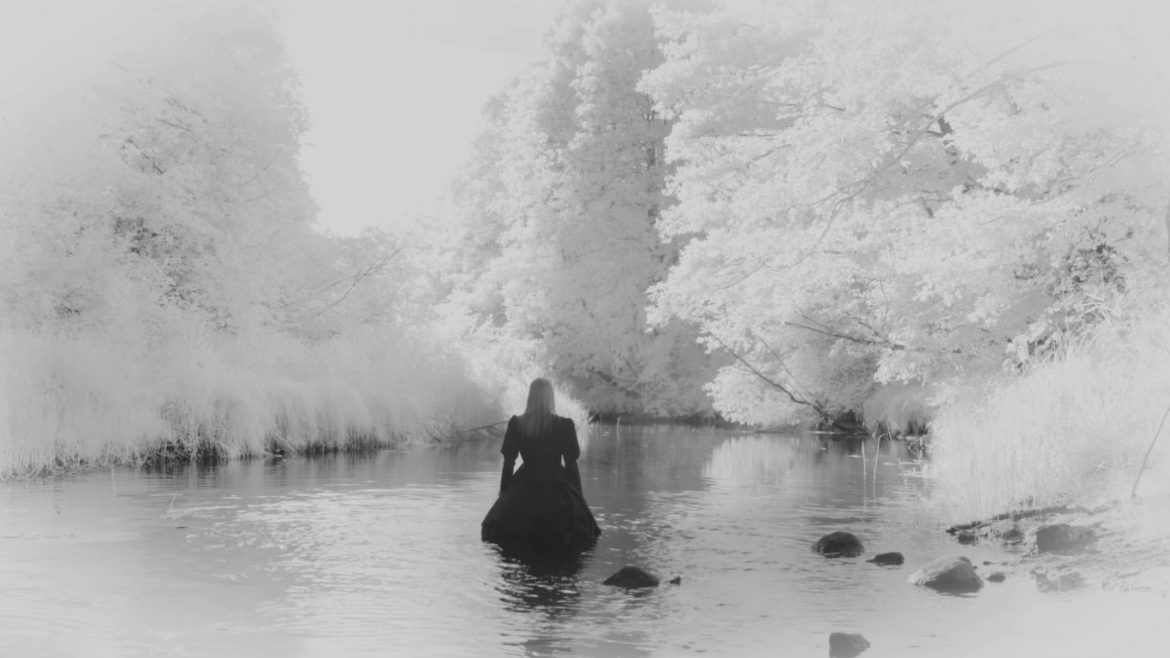
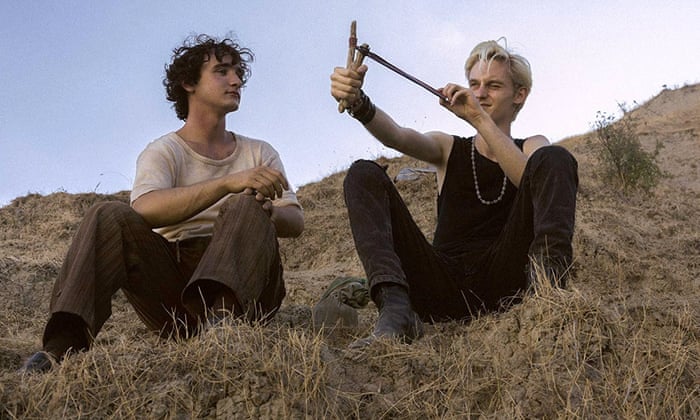
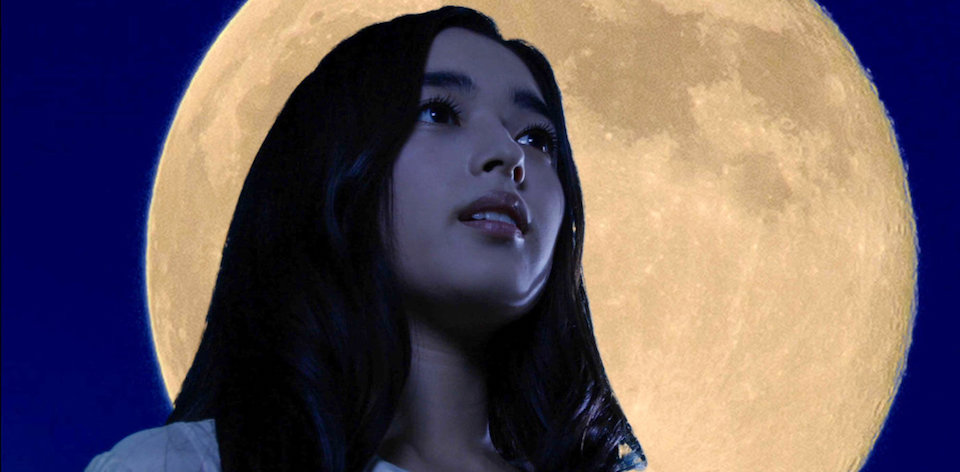
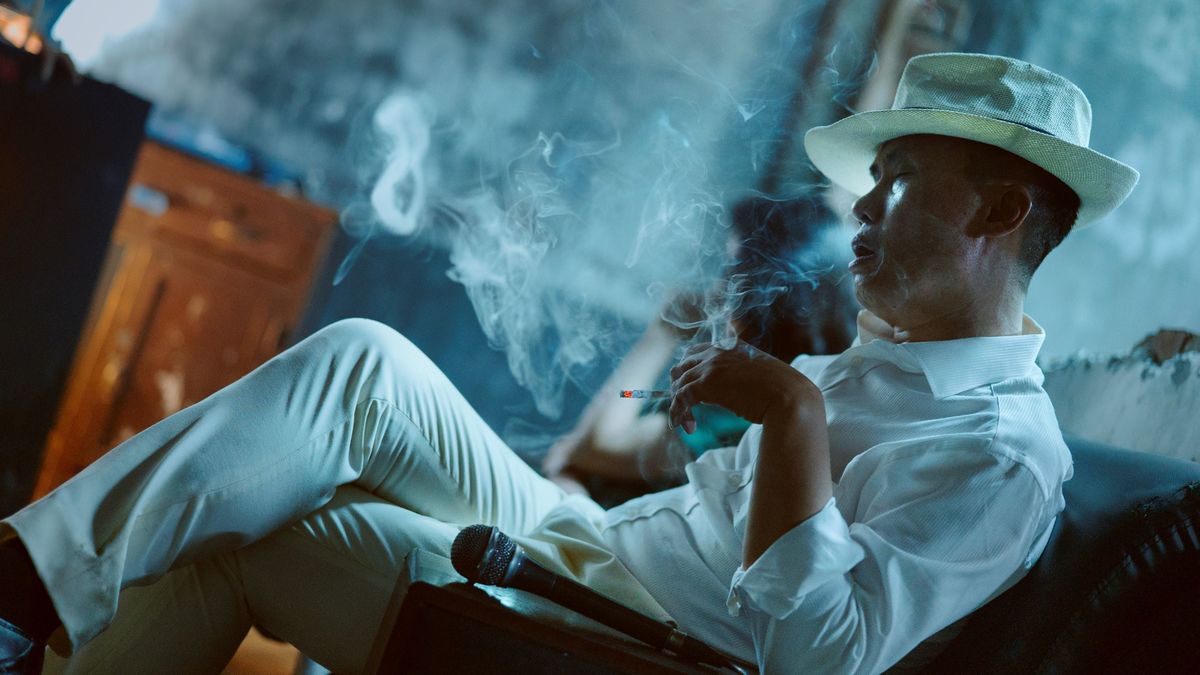
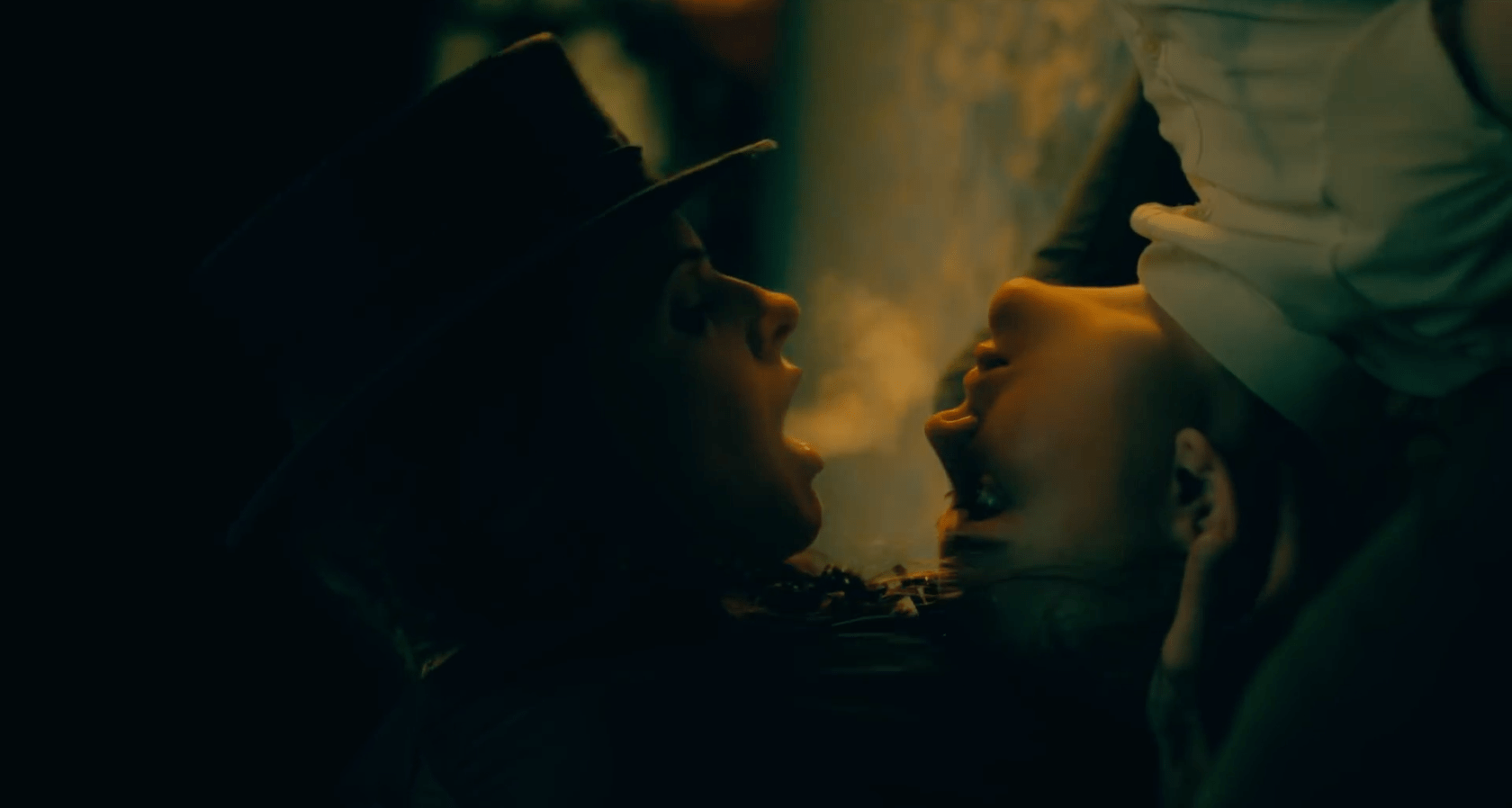
Labyrinth of Cinema has a lot to unpack, the last film of Nobuhiko Ôbayashi, a film's whose tone is immediately set up when Hinton Battle gets a name check in the opening credits for not able to be involved with the production, the gentle heart shown already in the film's chest in name checking the veteran Tony Award winning American actor, singer, dancer, and dance instructor who was unable to even provide in-film support or assistance to the production, even if it does have musical numbers. We have not even gotten to the spaceship with floating fish floating inside, and pianos and nude people passing by outside its windows, the ship belonging to Fanta G (Yellow Magic Orchestra member and musician Yukihiro Takahashi), travelling back to Japan and explaining to the viewer how we descend into war before he reaches a small cinema in Onomichi. A city, called a shore town in film, within the Hiroshima Prefecture, Japan, facing the Inland Sea, that in itself will be significant as Labyrinth of Cinema will go through Japan's military history, as is the fact (brought up in the film when establishing the setting) it was not bombed due to having a prisoner of war camp during the Pacific War1, unchanged as a result from the forties through Fanta G's narrative. (That the location also features in Tokyo Story (1953) as a key setting, the most famous film directed by Yasujirō Ozu, is important to mention when Ozu himself makes a cameo).  On its last night, the cinema is screening a night of war films; there a film buff, a film history maniac, and a wannabe yakuza and debt collector who is a son of a monk, coming together only find themselves entering the silver screen after Noriko (Rei Yoshida), a teen girl working there is sucked in abruptly, aptly just after thunder and lightning outside mid-screening.

Nobuhiko Ôbayashi managed to have two last films. He was diagnosed with stage-four terminal cancer2 before he set about directing Hanagatami (2017), based on a 1937 novel by Kazuo Dan, a war drama set in the dawn of World War II about a group of youths in a seaside town at the period. On Hanagatami, Ôbayashi was a veteran director, famous in the West for the delirious House (1977) but prolific in his home country, who was making the film aware he had a terminal illness. Including its ending, cutting to Ôbayashi himself talking to the viewer, he had the perfect last film in Hanagatami. How befitting he managed to live long enough to have a second film as good as an ending instead, and before the film's plot even properly starts, Labyrinth of Dreams burns in style. Title cards, coloured borders, repetition of previous fragments of scenes, even the obvious CGI and super imposition of modern 2010s cinema aesthetic clearly deliberate as tools for a man whose used artificiality as back in House, showing he never shied away from this.

Subtitled "A movie - To explore cinematic literature", the film when it begins properly suggests a wholesome farce with a musical, only for this type of cinema in Japan to have originated for propaganda reasons at the time, or was a film made after Japan lost the Pacific War, made during the period in occupied Japan where the US army would have censored content, which they did. Underscored with poetry by Chūya Nakahara, whose poem calling modernism a new form of barbarism is the most evoked, Labyrinth of Cinema over nearly three hours does not hide with how Ôbayashi, especially in his later films, was a man born in 1938 coming to terms with the horrible destruction of the Pacific War and World War II caused. He is not hiding either his view Japan's own government was as responsible for this and taking the side of humanity over the blind militarisation that led to this history. The film, truthfully, refers to content that may not be as widely known overseas unless you have a lot of knowledge of Japanese cinema or its culture, Labyrinth of Cinema a history lesson on its nation's path and its cinema in a dense yet playful form, the history of Japan intermingled with their history of movies and art, such as the silent film naturally having intertitles, even with dialogue, when the leads end up within one.

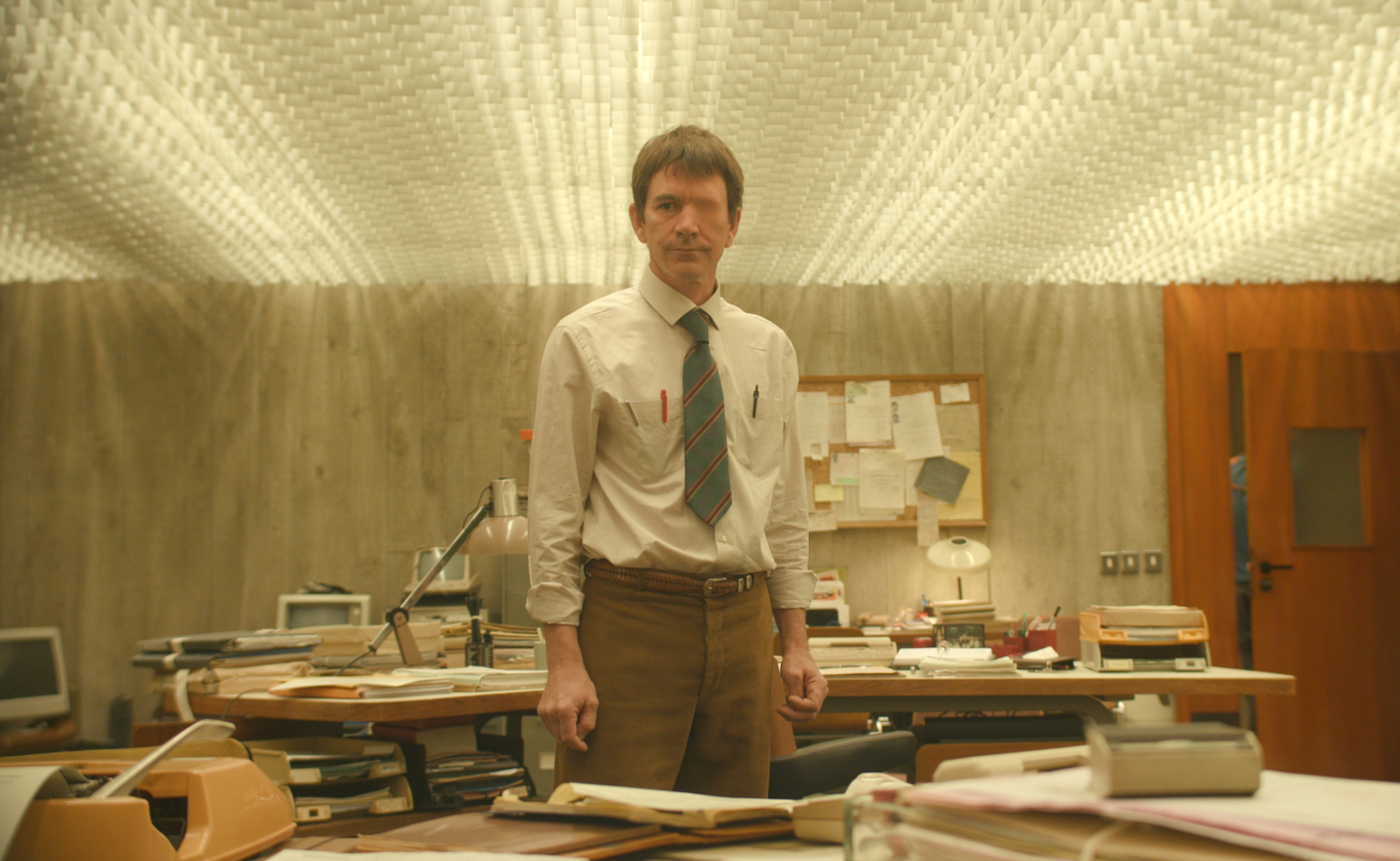
Japan here is a history of civil war, strafes of radicals against the establishment, samurai made obsolete by foreign imported guns, nationalism, and Japan's relationship to other countries. Everyone is explained even if a figure a Japanese viewer would know of. Sakamoto Ryōma, for example, was a samurai and is one of the many who wanted to interact with the likes of North America but died too young when assassinated. Miyamoto Musashi, the legendary swordsman Toshiro Mifune played in film over a trilogy between 1954-56, is here as an old man, and cinema is evoked in Yasujirō Ozu, the legendary auteur, making a cameo alongside Sadao Yamanaka, the director whose Humanity and Paper Balloons (1937) was tragically one of the only works from a creator whose life was cut short before his time in the Imperial Japanese Army when drafted. Yamanaka's tale is more tragic as his work has been mostly lost in cinema due to this time period - the Japanese government burned many of his more provocative films and then years later Douglas MacArthur, the general of the American Army during the Pacific War, and the US army during the occupying era destroyed others among other filmmakers that were considered anti-democratic in view, leaving only three of Yamanaka's films left in existence3. Even John Ford makes a cameo, played by Nobuhiko Ôbayashi himself who also plays the mysterious pianist we cut to through the film, the American director famous especially for his westerns held in admiration as he admires Japan's spirit here. With Frank Capra held up too, dubbed "Franz Kafra" and It's A Wonderful Life (1946) admired as the failed production that nonetheless became legendary, this is a work championing humanity over the brutality of war, aptly so when Sadao Yamanaka was a cineaste who admired American films from the period of his life including Frank Capra’s It Happened One Night (1934)4.

Labyrinth of Cinema under the weight of its own subject, trying to deal with the 20th century by way of Japan's history, dances a very precarious line between the severity of the material and a lighter touch, the film able to get away with fart sounds for humour even in serious moments. The three leads, following Noriko, witness the battle of Wakamatsu Castle in 1868, when a troupe of women and children had to fight to defend the grounds, or appearing among the Sakura trope, an almost all-female acting group, in Hiroshima when the atomic bomb was dropped. The film takes a more universal approach to the causes of war, as you follow people who served in the Japanese army in the Pacific War, and for everyone who joined under the desire to invade, and one sadist notwithstanding, others are stuck in other countries and trying their hardest to help the locals. Even if Noriko's actress is Japanese, it is poignant when she plays a Chinese girl, in a Japanese invaded Manchuria with the horrors of this explored, one which is a controversial subject still in Japan to discuss.

The film as well, if it does demonise an entity, shows the horror of war and blind nationalism in general, evoking an entire sequence in Okinawa when even Japan's own civilians were murdered by their own army in their ever closing defeat. With his last film, Ôbayashi's playfulness from the years before comes with a jest for humanity, for Doctor Muddlehead the empathetic animated character, or for a macabre turn on a famous scene in House when "bullets are playing the piano". When it cuts to a story of how, when Chopin's music was banned in Japan under nationalist laws, deemed enemy music, a school of young teenager girls protected a C. Bechstein piano that the Japanese army was to dispose of. (That the film subtly references the term "enemy language" throughout the dialogue for certain non-Japanese terms emphasises this sense of Japan entirely isolating itself during the war). The call for humanity over the evil force of war and might is felt for Ôbayashi's own call. In the Sakura trope's segment, before the tragedy of horrors of the atomic bomb, this is evoked in how their play is Ricksaw Man, a work censored by the Japanese army in the narrative; this went as far in real life for Hiroshi Inagaki's 1943 cinematic version of the story to be censored, severe censorship cuts by both the wartime Japanese government and post-war US occupation forces, a story he remade in 1958 with Toshiro Mifune5. The mindlessness of war, to conqueror and devour rather than create and inspire, is Ôbayashi's real enemy here.

As his own final film, the actual final film, Nobuhiko Ôbayashi went perfectly. As his career is slowly growing reputation in the West, becoming more complex as we learn he went from spectacles based on manga, from Kazuo Umezu to even Osamu Tezuka's Blackjack manga, to more intimate dramas over the decades, the films slowly being made available in the West. As much of this, to be honest, is from them being bootlegged by people just wishing to see the director of House's entire career, but as the official releases are being released and are appreciated into the 2020s, the promise was so much in mind to this that Nobuhiko Ôbayashi's reputation will grow and grow over the decades. This film lightly ends with a song, one made post-war by a comedian criticising the point of military might whilst you could have funded places for him to cuddle with his girlfriend, at a point Japan was rebuilding itself and would become affluent again; even in just that, Nobuhiko Ôbayashi's choices for how to criticise the worse in humanity with the most tender of touches is perfect.

=========

1) For reference, Onomichi site serves as POW memorial, published on the 15th April 2013 on the DVIDS (Defense Visual Information Distribution Service) website, written by Cpl. Kenneth Trotter Jr.

2) Tokyo Film Festival: Nobuhiko Obayashi Re-enters ‘Labyrinth of Cinema by Mark Schilling, published on Variety on the 27th October 2019.

3) Director Profile: Sadao Yamanaka (1909-1938) by Andrew Bacon. Posted on the 8th April 2016 for The Projection Booth website.

4) Fleeting Glimpses: The three-film universe of Sadao Yamanaka by Chris Fujiwara. Posted the 11th September 2009 on the Museum of the Moving Image.  

5) A documentary short Wheels of Fate: The Story of the Rickshaw Man (2020) even exists in regards to this, as Masahiro Miyajima, the camera assistant for cinematographer Kazuo Miyagawa, made it his mission to restore The Rickshaw Man even if it was his last task in life.

Sunday, 9 February 2020

Best of 2019: 10-1


A link to Part 1 here.

A link to Part 2 here.

A link to Part 3 here.

A link to Part 4 here.

And with this, we conclude with the following...


Bonus Entry: Sarazanmai (2019) [Global Streaming Premiere]
First of all though, I would kick myself not to mention the following, which has to have this special entry for the simple fact this is an eleven episode animated show, one whose co-director/creator Kunihiko Ikuhara is a true auteur, but is as a series an odd one out here just because (annoyingly) TV series get discounted off certain film listing sites.

Sarazanmai marks a great end to the 2010s for Ikuhara, whose after an absence in the 2000s, came back to directing anime in the 2010s with three truly unique television anime - Mawaru Penguindrum (2011), a complex and sprawling piece of surrealism explicitly dealing with the 1995 sarin gas attacks on the Tokyo subway; Yurikuma Arashi (2015), explicitly about the persecution of gay women by way of a tale of a forbidden love between girl and girl-bear; and Saranzanmai, which is the first work of his which is entirely about a male cast, a magical realistic musical drama comedy in which three teenage boys are transformed into kappa, sent off to deal with ghosts who are manifestations of desires left to turn toxic.

The show, as with everything from Ikuhara, is significantly more complicated than this as beneath his pop surrealism, the auteur deals with very dark or/and adult material throughout his work, this one dealing with everything from anti-capitalist ideas, mocking Amazon with all the delivery box motifs, to a gay male character with a conflict in his love for another character, or two villains whose sympathies we gain when the pair, two male lovers, are in their own tragedy. Probably the one detriment to Sarazanmai is how brisk this show is at just eleven episodes, but it doesn't deny that it's an impressive return from the director I was grateful to see.

It's also utterly unique on a visual standpoint, constantly weird and hilarious, has musical numbers and manages, due to real life kappa mythology, have a plot point entirely about having to suck people's souls out of their anuses, which is even more hilarious as it was revealed Ikuhara didn't even let the producers know he was including that detail until the production started.


10. 24 Frames (2017) [UK Blu-Ray Premiere]
This top ten proper is going to run with two reoccurring themes, one of veterans in their older years making some of their best work, reflecting back on life, and the number of these inexplicably not readily available or shown in theatrical screenings. Thankfully, 24 Frames was released by Criterion in the USA and UK, so it's able to be seen.

The film also marks the fact that its creator, legendary Iranian director Abbas Kiarostami, wasn't even able to fully complete the production as he died of cancer in 2016. The 2010s felt as if it was the legendary auteur going around the world - Certified Copy (2010) a puzzle set in Italy, Like Someone in Love (2012) in Japan - but it is sad that this never came to be.

He nonetheless left on a work as idiosyncratic as everything else, a man who gladly straddled naturalism and overt experimentalism, ending his filmography with what are living photographs, heavily reliant on computer effects but with a visible sense of the unnaturalness adding to the beauty of the material. It's not hard for me to create a parallel with the film that has the number one spot, which we will get to, in a number of reasons, but 24 Frames was a beautiful echo to a man with a great career in itself.


9. Let the Corpses Tan (2017) [Streaming Premiere in UK]
From the beauty to irritance, as probably one of the least explainable things is how the latest film from Hélène Cattet and Bruno Forzani, who have been served well in the UK and got a US theatrical release for this production, had this unique film just dumped on Amazon Prime without even a barebones DVD release. This is the kind of thing that makes me leery eyed about the streaming boom, in the sense that we are going to be unfocused on actually making films readily available to the public in favour of just promoting your wares.

A shame as, starting off with reinterpreting the giallo genre in avant-garde form, Cattet and Forzani have managed to avaid becoming one trick ponies by switching to the poliziotteschi (Italian crime) genre and western motifs, interpreted through their delirium and experimental style following a film length shoot out between thieves and cops in the middle of nowhere. Brimming in surreal and sexy imagery, Cattet and Forzani haven't missed a beat, for me as a duo among the most consistent working filmmakers. It's just a shame about the poor treatment of this film in terms of distribution, especially as there are scenes here, golden shower and all, that would look sumptuous on the biggest theatrical (or home theatre) screen at hand.


8. The Wandering Soap Opera (2017) [MUBI Streaming Premiere]
And for another film that will be difficult to see, The Wandering Soap Opera offers the feat that whilst Raul Ruiz passed in 2010, he is still making films years later with one planned to be released in the 2020s. All entirely based on unfinished or unreleased projects, but Ruiz is like a character from a Jorge Luis Borges story in that, with all the tangents and labyrinths in just how his films were made let alone what was inside them, Ruiz was the perfect man perfect man to defy mortality and still direct, his widow (and filmmaker) Valeria Sarmiento committing to an accomplishment anyone can admire by making films like this available.

The Wandering Soap Opera offers a great example of a) how much Ruiz filmed to be able to accomplish this, and b) how he was the most extreme form of working director who gladly took projects, as this originates from a student workshop, one of many he helped work with over his life. It is also felt with greater significance as this was the first time the expat, who fled his homeland of Chile in 1973 due to the military coup d'état led by future dictator Augusto Pinochet, sat back forth on his home soil. This is found in this series of vignettes of their mix of dark humour and surrealism, even this little project having so much that stands out as inspired and lasting in memory, even a man offering a woman to see his muscles and dropping two pieces of raw meat in her hands. Especially seen in a restored version as intended, rather than a VHS rip as is usually the case in watching a Raul Ruiz film, it offers how much of an accomplished director he is. Bold colours, striking images from the unconscious and a lot of weirdness I had to appreciate.


7. Mektoub, My Love [Canto Uno] (2017) [UK Theatrical Premiere]
Out of this top ten, Abdellatif Kechiche's film is going to be the one that I will have to defend as its one many will probably have a negative reaction to. Immediately off the bat, the bigger concern for myself is the fiasco that surrounded the sequel of this apparent trilogy, Intermezzo (2019), that if the scandal is entirely truth means Kechiche crossed a line that I cannot find acceptable. If the accusation is true, that he coerced his main actress Ophélie Bau with a male actor into an explicit (possibly real) sex scene with alcohol, that it's disgusting and a black mark to a director whose work I have seen is exceptional. Even if this horrible aspect wasn't there, the film had such a negative reaction that its disappeared since its 2019 Cannes Film Festival premiere, with suggestions that Kechiche wants to cut out all of Bau's scenes in it, which is absurd knowing how much she is integral to the first film's many virtues.

Sticking to what is called "Canto Uno", barring one very explicit sex scene in the first few minutes, and certain camera shots, the dirty coat brigade would be disappointed as this is a three hour plus film which is an example of slow cinema, with lots of dialogue, and whose biggest scene is the real life birthing of farm animals. As for the issues of the male gaze, the film yet (co-written with the Ghalia Lacroix) puts all the power in the female cast whilst the male characters aren't likable in the slightest. The women, especially the older ones including Kechiche regular Hafsia Herzi, are opinionated and completely sympathetic, with all the issues surrounding Ophélie Bau even more tragic as she's a huge virtue of this first film, a character full of life whose home life, working on a farm, is devoted to with utter sympathy. In contrast, the men visibly come off as problematic, like the kind old uncle who is unfortunately too comfortable with young women to the older womens' horror, or the boyfriend of one character is an arsehole. Even our protagonist is luckless, a man who cannot even get a nude photography session in the end, let alone anything else, as his trip through the film is an endless cycle barring those two animals.

To think Kechiche squandered this project, which plays to the extremity of slow cinema immersion with its constant scenes in night clubs, to the point it lulls you into a trance, in a terrible creative decision, tragic more for the people who worked on this film than him, more for his films as this means a film as great as Couscous (2007) is now marked with this if confirmed. The irony is that the first Mektoub, My Love would've worked by itself as a single film, even if a piece of a source novel, as it fittingly ends where it should've always been for the protagonist, getting nowhere but humbled.  


6. November (2017) [UK Blu-Ray/DVD Premiere]
And here is a case of a film that should've had a theatrical release too, and it's a tragedy it didn't, only the fact Eureka released the film as part of their Montage releases series a consolation.

And this is an example where this smarts, as this is a new and exciting voice whose style is visually gorgeous in its monochrome and not like anything you've witnessed before. Inherently this taps into my favourites for one reason - any film that depicts the real life mythologies and folklore of its home land is always worth seeing, even a micro budget Nigerian Nollywood film, as it stands out with something to say about that culture. From Estonia, this film has made good in drawing eyes to this Eastern European country's cinema whilst the source, a novel by Andrus Kivirähk, taps into material from their folklore that is truly unique. This is immediately informed to you the viewer with the first shot introducing a kratt, a mechanical creation that can be brought to life if you are willing to trade Satan your soul by way of three drops of blood, servants of farmers unless they have no work and thus either kill them or, in this case, get bored and becoming a proto-helicopter, trying to air lift a poor cow before that concept would properly exist in the 20th century.

November keeps in this direction throughout, between the dead returning back as giant chickens or ways to trick Satan in terms of that soul, whilst also eventually becoming a bittersweet romantic tragedy and a scathing view of ideals, in which baring the sincere love of a young farm girl everyone else is usually superstitious, greedy, jealous and even stealing objects from the church. The result is something truly unique, hence that initial lament that this never got a proper cinema release, with only hope director Rainer Sarnet makes more from the back of this.


5. Pain and Glory (2019) [UK Theatrical Premiere]
For Pedro Almodóvar, I'd qualify this as a "small" film in his career, a film which is not about grand gestures like his "large" film, The Skin I Live In (2011) an example starting the 2010s for him, but one of small scale scenarios and emotions. This is not a detriment as these "small" films in an auteur-director's career are as important as the grander scaled ones, and Pain and Glory slowly crept up the list to this spot with very good reason. Like many of the films here from older veterans, Pain and Glory is self reflective, Antonio Banderas' aging and ill director frankly a blatant stand-in for Almodóvar himself, once a transgressive and hot new talent in the 1980s like the main character, now a revered master in his older age.

Pretty much anything else I could say is frankly trifling when the wiser thing would be to just recommend you the reader to go track the film down, whether you have seen many of Pedro Almodóvar's films or even none at all. It'll do you good.


4. In Fabric (2018) [UK Theatrical Premiere]
In vast contrast, a younger auteur gets presents us the bizarre tale of an evil dress, which gets significantly weirder and complicated than that premise sounds. Peter Strickland has spent a career through the 2010s of making truly idiosyncratic films, with In Fabric really impossible to define, both in that it is actually a film of multiple plots and that, whilst meant to be a horror film, also gets into strange comedy when Julian Barratt and Steve Oram as senior bank managers encourage their staff to role play their stress by putting on one of the many period costumes inexplicably in their shared office.

A lot can be gained from the film, be it the scathing view of modern society being oppressive and bland, to the aesthetic, even down to using old archival imagery to stick this film in a phantom zone between 1970s and modern Britain. When it's freakish, it's also strangely sensual, and when it's humorous, it's also surprisingly emotional.

There is a glee in knowing a film this openly odd was possible to be made, a sense of Peter Strickland already developing a fascinating auteur status of high art genre filmmaking, but that which surprises. I mean, this film manages to get away, in a film suitable for fifteen year olds, a lot of transgressive material that I don't you could in an earlier decade, even in one scene masturbation and menstruating mannequins, which has to be one of the strangest sequences of this entire list I've witnessed all year.


3. Happy as Lazzaro (2018) [UK Theatrical Release]
If Alice Rohrwacher's film had stayed in its original form in the first half, a naturalistic film about a community in a form of manipualition, as they are within a peasant position in an unknown modern time, I might've found Happy as Lazzaro disappointing and sluggish. Then a major shift takes place - [SPOILER] a bit of Rip Van Winkle inspiration in the plotting [SPOILER] - and Rohrwacher's film became excellent. Like the film coming up on in this top ten, her story is about human decency, as its startling jump into magical realism nonetheless is a pretext to a humanity in which our titular figure, a true innocent named Lazzaro who brings around him the best in people regardless of their position. A scene in this film is entirely about finding weeds and naturally growing vegetables people ignore growing on backstreets, and it's compelling alongside the more dramatic scenes, a warm and heartfelt tale about anyone.

There's still a political side though, which is made more striking due to this. A sense of rage being held back in a world which crushes on the poor, coming together in an ending sequence at a bank that has lingered with me. This was my first Alice Rohrwacher film, and as someone who has started in the early 2010s, the Italian director has immediately caught my attention as a potential new great auteur if she is consistent, my hope being that her other work from before will come together as a strong and unique voice too.


2. The Mule (2018) [UK Theatrical Premiere]
Speaking of human decency, it's amazing to think Alice Rohrwacher, with clear Left leaning sympathies, and Clint Eastwood, a right leaning libertarian known for films like Dirty Harry (1971), can share similar views but Eastwood as a director also made Unforgiven (1994), always reflecting on the human condition in the few films I have seen with a greater wisdom as he has aged. Even a film I have found troubling, the Chris Kyle biopic American Sniper (2014), is complicated by scenes that question him and deal with post traumatic stress syndrome. Eastwood is a director I am growing in admiration of, someone regardless of politics who takes his work with a greater sense of perspective than most.

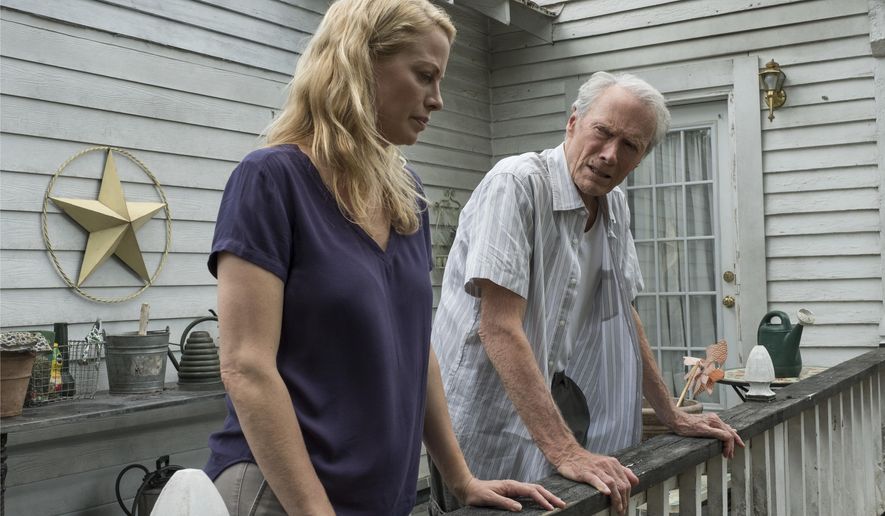
The Mule is such a film, and with the film at number one a MUBI streaming exclusive, The Mule itself is the best film seen at a cinema for me this year, in which Eastwood manages in deal with a real life tale of an elderly man who transported drugs around State lines through an incredible amount of weight, growing it into such thoughtful and intelligent ways. The morality is never to question as it is about a man showing decency, stuck in this scenario due to fate, and learning more, both reconnecting to his family and just learning still in his old age. A scene does far more better in dealing with a man overcoming politically incorrect ideas, when he accidentally uses a now unacceptable term whilst helping an African American family with a broken down car, and learning from them just in how it presents how he with grow within the moment we never see when it cuts to the next scene. The film is funny, odes to the simplest things in life like a pulled pork sandwich, and also deliberately neutering action tropes with the most relaxed highway pursuit you could have onscreen. He even manages to get away with his own character  having a threesome with two younger women without it becoming scuzzy, instead sweat and likely to delight men and women who are older in the audience with the knowledge that aging doesn't mean you lose out on the fun in life.

Again, on the surface the man who interviewed a chair wondering where Baraka Obama is, doesn't fall into any cringe worthy attitudes and instead suggests this profound sense of humanity. Clint Eastwood as a result is a smarter director than most who, on the right or left, just tub-thump and embarrass themselves. He's still making films, with Richard Jewell (2019) in British cinemas in January 2020, and now I am becoming more interesting in him, there's a huge filmography as an auteur let alone onscreen to entice me.


1. Hanagatami (2017) [MUBI Streaming Premiere]
The only reason Clint Eastwood didn't get the top spot is that a Nobuhiko Ōbayashi film that I may sadly never see again in a long time was streamed on MUBI and was incredible. In spite of the fact House (1977) is rightly become a cult classic, none of Ōbayashi's work beyond it has been released in the West.

This, reflecting on Abbas Kiarostami's final film, was supposed to be Ōbayashi's last too, diagnosed with cancer and with the fear he could die before even filming Hanagatami. He didn't in a miraculous turn of fate, going on to make Labyrinth of Cinema (2019), but the ending of this anti-war period film, following young adults in the shadow of the Pacific War on the side of the Japanese and the spectre of their country's defeat, clearly was meant to be a goodbye, the director himself onscreen as part of a hair raising lament for humanity as a man born during the spectre of the militarisation of Japan and the lasting effect of its end.

Hanagatami can connect to many films on this top ten. An older veteran director in his most reflective. A deliberate artificiality in his juxtaposition of enhanced colours and images for a delirious effect. An ode to humanity and human decency, undercut by the darkness of what is expected; found in startling moments like a classmate in the film hanging a pet cat, trying to force another person's eyes open, or a character whose succumbing to a terminal disease in her youth. The result is one that, tragically, is going to be a series of vague recollections in my memories because, again, Ōbayashi hasn't had any of his films made available in the West barring House. At least MUBI had the decency to show this at least once, this near three hour gem having such a lasting impact that it deserved to be in the number one slot.

Tuesday, 21 January 2020

Best of 2019: Part 4 (20-11)


Link to the first part HERE.

Link to the second part HERE.

Link to the third part HERE.


20. Long Day’s Journey Into Night (2018) [UK Theatrical Premiere]
Bi Gan's newest film is a fascinating piece to even consider. Its notorious debut and success in his homeland of Mainland China is itself part of the tale, as Long Day... premiered on New Year's Eve in its homeland and marketed as a romantic film, gaining a huge box office sum in spite of the fact it's actually an experimental crime soaked romantic drama. One into two halves, the first clearly indebted to Wong Kar-Wai, the final half shot in 3D and a single take, much to the bafflement of paying customers just expecting a conventional romantic drama to pad out a very important holiday.

I don't want to either dismiss or just openly embrace Long Day... yet as Gan's film is full of details I wouldn't be surprised grow in layers on multiple watches, something that I think is necessary to fully appreciate this work. It's a tale about a man obsessed with a woman which yet can distort the chronology with flashbacks to the past and also has, in that middle split, actors switching roles including the legendary actress Sylvia Chang throughout the feature length. The visible debt to Kar-Wai, who was making films like this before from Days of Being Wild (1990) onwards is felt, and possibly could be an accusation of Bi Gan making an empty imitator, but so much in Long Day... has stuck with me.

That final half, whilst tragically one I couldn't see in 3D as intended, has become one of the best moments of the entirety of 2019 and not just as a technical feat either, something spectacular in terms of a sudden jump into magical realism, even if it's by way of just the camera being carried along great heights by the production crew, to bittersweet romance and having to execute as long a take as possible. Sadly a film like this is going to be nigh on possible to see as intended unless we drastically change how cinema is distributed to everyone - even in Sheffield, a major cultural city in England where I saw the film, I couldn't see Long Day’s Journey Into Night as intended, losing Bi Gan's trump card having its full impact. Thankfully in just being able to see it, I witnessed a unique film still.


19. Hustlers (2019) [World Theatrical Premiere]
Here is a film I am surprised is as high on the list as it did, having felt originally Lorene Scafaria's second feature suffered from not fully tackling the moral complexity of its subject, the subject of a New York magazine article where female strippers in the midst of the late 2000s economic crash started drugging male clients and stealing their money. As time has passed however, Hustlers despite being the kind of conventional narrative American cinema I usually forget about has managed to stay higher in regard in my mind over some particularly experimental and ambitious work, which is a feat in terms of how when Scafaria succeeded, she knocked so much out of the park in terms of successes.

And its really a compilation of successes. Constance Wu standing out in the lead. When Jennifer Lopez makes a triumph first entrance into the film, managing to pull her own weight in terms of a great performance throughout afterwards. The moments of female comradery, particularly at a scene over a Christmas Day this is touching. The nightmare of the driverless car. The moments of moral complexity which remind you that, actually, what these lovable characters are doing is morally wrong and problematic, laced with the reasons why they'd be pushed to it, the banality of a day-to-day job, and the whole issue that the male clients robbed are hesitant to even get cops involved, revealing gendered issues that add flavour. Only the sense that a) there's an entire aspect of these characters' blind obsession with material wealth that needed to be raised and b) some more moral complexity lacking suggests Hustlers has any flaws, still a great film in the film. It's definitely a superior take on a similar subject Sofia Coppola tackled with The Bling Ring (2013), a significantly deeper take on its own subject of criminality involving materialism than in that case.

My only hope is that Lorene Scafaria, after this as Hustlers did very well, becomes more ambitious and takes more risks as she clearly has the chops to make good films, just needed to take a plunge into more idiosyncratic cinema. Also the person who choose all the pre-existing music also needs to be hired more if they aren't already, as it actually suggested that I have been dismissive to bubbly electric-tinged pop music and RnB from that era for far too long, some of the best timed choices of music here in any of the work on this list.


18. Keep an Eye Out (2018) [MUBI Streaming Premiere]
Quentin Dupieux has sadly not had any of his films barring Rubber (2010), the ideological text of the Cinema of the Abstract blog in honesty, released in the United Kingdom in the 2010s. This is a tragedy as he's one of the few people of these odd films I adore who have been consistently making movies over the 2010s, when many falter or are prevented from, and Keep an Eye Out as a peculiar farce under eighty minutes is just golden. Somehow he keeps getting work produced, and he's effortless in this mini tribute to the likes of Luis Bunuel and absurdity that he can qualify as an unsung auteur if this is his usual batting average.

Following a simple scenario - a police detective questioning a witness - this tiny little film gets into some deliciously absurd, and well acted, scenarios worth seeing if you can. Individuals will find themselves in another person's flashback. A clam with shell will be eaten. And you will be very careful from now on when holding an angled ruler, let alone begin running with one, in case of injuring oneself.


17. The Endless Film (2018) [MUBI Streaming Premiere]
From one fascinating MUBI discovery to another, this Argentinean project one which has stuck with me as, per its non-English title La película infinita¸ the possibilities are endless when it is built around unfinished films from the film museum in Buenos Aires, constructing that which exists into a form to watch but can have beginnings, no ends and bleed into half dreamt dreams. Whilst the execution does have to try to put together a drastic variety of material which can be awkward in production, from a previous attempt at adapting the novel Zama from 1984 that Lucrecia Martel eventually completed in the 2010s to an animated sci-fi film, it's compelling to even see the unfinished.

It is also unmistakably weird and eerie at points to watch, as some of the larger portions have so much potency in what was never finished, like surreal mini sketches. A woman investigating one man finds herself shooting another in a room with a fish tank, whilst another seemingly has a man obsessed with the drawings of Leonardo Di Vinci in what feels like a monochrome surrealism horror film. All of it is compelling, and the obscurity of such an experiment is a tragedy to consider when it's as strange and rewarding as this result. Quite frankly, the idea of there being a La película infinita for every nation's cinema, of unfinished films compiled togehter, is tantalising to consider seeing this.


16. Doctor Sleep (2019) [World Theatrical Premiere]
And here we have a film overcoming a huge obstacle. Director Mike Flanagan, who is arguably one of the most successful horror directors of the 2010s just for how prolific he was, when faced with the task of adapting a sequel to Stephen King's The Shining, but contending with the 1980 Stanley Kubrick version the author notoriously had issues with, found a mercurial balance between them where both communicate together. Notably, this feels less like the horror product sold at the end of October 2019 but a serious film in its own right, less frightening but clad in a melancholic darkness tinged in hope. That it is entirely dealing as much with King's issues with alcoholism and addiction, as it is as a dark tale of soul devouring immortals, is a huge factor in this when it is as well executed as possible.

Also in mind of this being a big Warner Bros. release, Doctor Sleep is surprisingly unconventional, with some of the best and most inventive uses of CGI in the genre as well finding a way to make its sudden change into world building, which has a level of absurdity to the plot and its mechanical if thought about long enough, still work. When The Shining is explicitly referenced, and becomes the backdrop of the finale, this is a rare case of a film following on from the original that doesn't feel like its besmirching the original's good name. By referencing The Shining with actual emotional resonance, Flanagan manages to success; as the first film of his I have seen, this is a good sign to investigate his career further.


15. Ad Astra (2019) [World Theatrical Premiere]
Whilst there are still films left from the old order to be released - Terence Malick's A Hidden Life (2019) for example, which got a January 2020 release in the United Kingdom - seeing James Gray's Ad Astra felt like a ritual funeral for 21st/20th Century Fox before Disney bought them, as for every commercial film they releases, Fox took some very idiosyncratic and artistic risks over the decades I am slowly growing to admire. Some were just gauche, but their work even up to the Disney acquisition is of a very different kind of cinema from the blockbusters they sold like the X-Men franchise, not just experiential risks but The Old Man & The Gun (2018), director David Lowery with Robert Redford making the kind of film Fox themselves among others made back in the seventies, which is idiosyncratic in itself before you realise this is the same studio that bankrolled Terence Malick's The Tree of Life (2011) but also Zardoz (1974)...

Ad Astra does have action beats you could put in an enticing trailer, and they are still spectacular, James Gray interesting as the "serious" director who however started in crime narratives and explored aspects like this before in his cinema like in We Are The Night (2007). Also of note is that, as here, Fox's more ambitious work under their label or Fox Searchlight sub label tried experiences as long as bankable actors could be on the marquee, to which Brad Pitt is to be thanked for a very underappreciated American director to get a multiplex release finally which isn't compromised in the slightest. There are suspicions the theatrical release had important aspects excised, such as the complete lack of Liv Tyler, but considering how much of a cerebral sci-fi film this is, so much still succeeds.

And it's surprisingly bold for this type of film too, right down to Gray hiring "experimental film consultants" to influence the visual structure of his film.  It's a better take on a bleaker sci-fi existentialism than Claire Denis' High Life in honesty as, whilst the film does have a dark viewer of our place in the world,  and Denis' film is still great, the main theme is discovering hope and oneself at the end which offers something considerably more powerful in the end then emptiness, felt with a sense of scale in terms of an adventure narrative (even Moon pirates) that gets the balance right. Also this will not be the last time Brad Pitt is on this list, a man who has thankfully earned the reputation (if he hadn't already) that even if his face sells the film as a big star, he likes to produce and star in bold films like this we all win from.


14. How Fernando Pessoa Saved Portugal (2018) [MUBI Streaming Premiere]
Eugene Green, an American born French filmmaker, has sadly had little of his work available which is a shame as, having the luck of seeing almost if not all of it, he is a truly unique figure, felt like a cross between Robert Bresson with a whimsical nature that occasionally appears, with the influence of all the good bits of Christian thought without any of the terrible aspects no sane person would (should?) believe in. He is idiosyncratic, the man of high art and music, Christian theology appearing in his film, but one of his best film reinimagines a medieval fantasy where the knight is a man in jeans with a pet lion (i.e. a dog) and no viewer would not be able to get past it in the end.

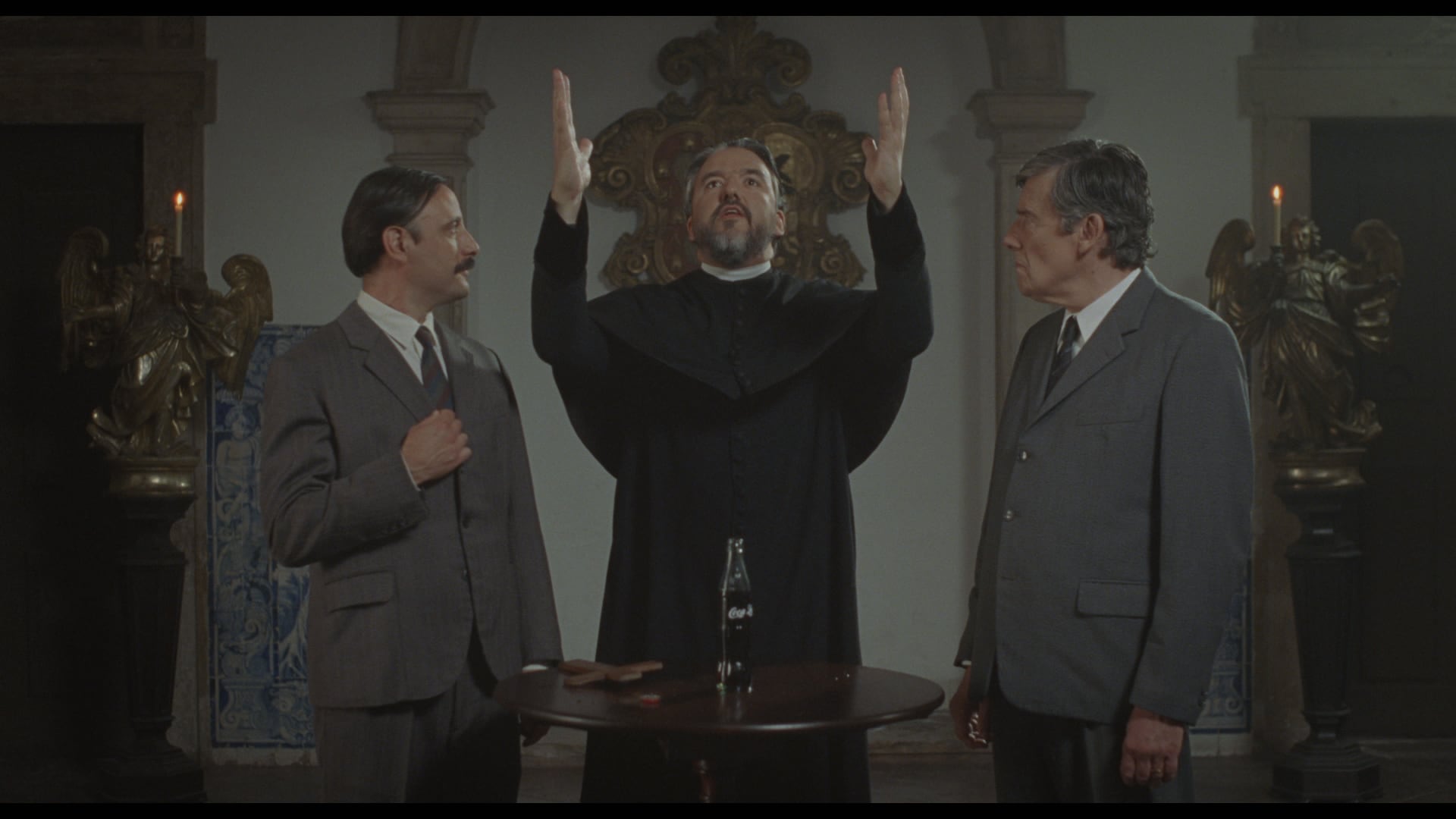
For his "short feature", this tale of how real life poet did try to get into advertising just to make some money, can be read on multiple levels. An obvious anti consumerism joke, as his advertisement for a brand of cola gets the soft drink banned in Portugal, gets more complicated knowing that Coca cola was banned in Portugal until the late seventies and that the film is littered in very idiosyncratic details, from the various forms of Christian thought clashing to the notion of a former King who disappeared in a war only to turn into a legend that will return to rescue Portugal. The main star Carloto Cotta also immediately stands out as someone to watch as a damn good actor, so drastically contrasted by his role in Diamantino (2018), a film that I sadly could only catch after the cut-off point of films for this list; suffice to say, contrasting his innocent child-like football player character in that film's lead to two roles here, drastically different, presents us with both a striking physical prescene in Cotta and also a great Portuguese actor to watch, especially as he's starred in some pretty idiosyncratic films from his country I need to actually get to now.

Plus this short feature has a cola bottle being exorcised, which is as funny as it sounds and is also one of the scenes of the year. I am deliberately leaving that unexplained and request, if you can, just to track down and watch the film yourself.


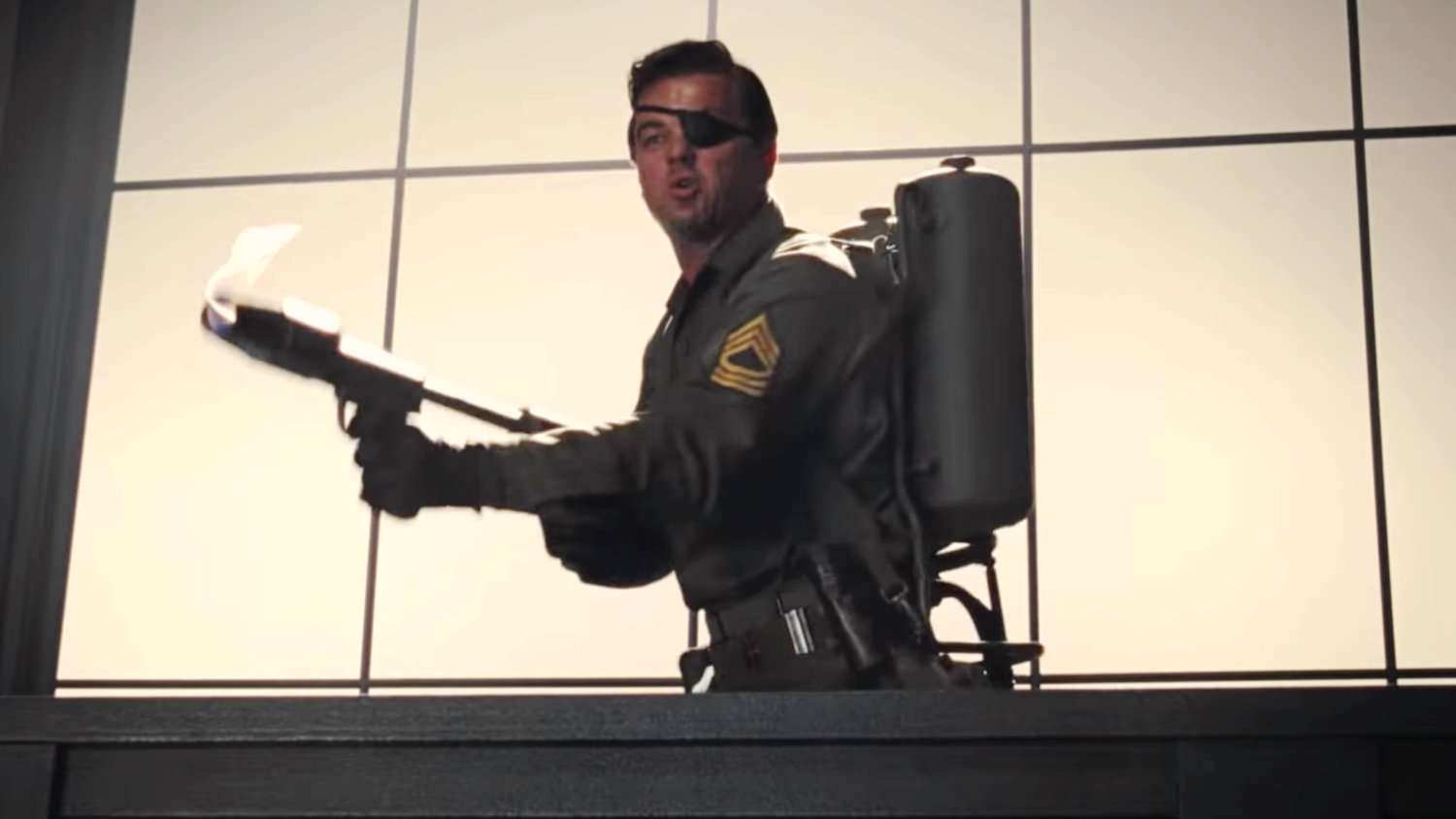
13. Once Upon a Time… in Hollywood (2019) [World Theatrical Premere]
Quentin Tarantino's latest is a curious film to unpack isn't it? It's had its detractors, especially when one of its leads (played by Brad Pitt, in another bloody good performance) is a morally grey figure just for a flashback with a harpoon gun despite being very likable. It's also evidence of, between him and the Coens, the later sadly jumping to Netflix for their last film, Tarantino has been one of the only major Hollywood directors able to get away with films that do well at the multiplex that can be this unconventional. That might be too simplistic, as one hopes there are major talents getting away with unique films, but as a director who always gets a large summer premiere for his films in English multiplexes, always so far in the late summer, no matter how unconventional and even violent they are is something really to consider as a minor miracle.

Plus this film by itself would be considered odd if dissected from anyone. A multi strand period piece which reinterprets the Manson Family murders, an ode of late sixties American cinema (not the hippy stuff, but all the uncool movies), possibly a very conservative ode to b-movie westerns and macho TV series, a buddy comedy, a great acting role for Leonardo Dicaprio, and something difficult to actually pin down in what it actually is when originally we presumed this to be Quentin Tarantino's horror film when he first planned it.

There are some issues. The violence for me was the very divisive issue, not helping with the concerns of this being an ode to problematic traditional "values". The Bruce Lee versus Brad Pitt scene may have been an ill advised decision depending on the context the viewer views it through in honestly. Aside from this, its constantly hilarious, always rewarding even in terms of the pop culture it is reference, and has a spine tingling conclusion as, playing to alternative history again, Tarantino does hit a bitter sweet nerve that has stuck with me over the year as one of the best endings of the films I've seen. This is definitely a difficult film to judge for opinion, but Once Upon a Time... is this high up because of how ambitious the film was and all the moments it feels like a master auteur, the old guard, hitting all the right moments. Its definitely a film too that, even if he does intend to retire after only a couple in the next decade, as Tarantino has threatened, argues he as one person where every film he's made is unique and has to be unpacked by itself, earning that because of the virtues. People might grumble, might think he's overrated, but as someone who at Inglourious Basterds (2009) was considering dismissing him entirely as he dropped the ball miserably too many times at that period, only to see everything he made throughout the 2010s on the cinema screen, gives me the sense of having seen his detractors' side but come to admire the man nonetheless when he succeeds.


12. Ash Is Purest White (2018) [UK Theatrical Premiere]
Another veteran, and Ash Is Purest White accomplished an awakening realisation how I slept on Jia Zhangke, who like Quentin Tarantino defies what genre actually is and takes such incredible risks in this narrative tale. He is a very different director, before anyone wants to stretch the comparison, but this is yet a film that starts in a crime mood, of a gangster's moll who, over multiple time periods, grows when arrested back at the start of the Millennium. The moment where Zhangke tackles the obscure aspect of China's UFO culture, in the middle of a desert like country region, was where he won me with his bravery and willing to take any risk just because he went in a director, in what's in the night sky, that you'd never expect to find from a sombre director like this. Its bravado that is pulled off and from the least expected source, showing how good he is.  

Guided by Zhao Tao, who has been in almost all his films, Ash... takes constant inspired tangents throughout interlaced with great dramatic sequences lead by Tao's incredible performance. Jumping through different time periods, including a return to the Three Gorges Dam, the subject of his 2006 film Still Life about the flooding of the region for a damn, to a sequence of Tao trying to con awkward men in a restaurant for money to the UFO side piece, so much of the film (effectively vignettes) stands out still upon reflection.

The miniscule pieces of political commentary when they appear are subdued, more of the changes to mainland China by way of the hedonism of the first half, to the grounded reality as a former female criminal has to survive in the new world she returns to. And even then, Zhangke causes you to wake up when he suddenly has a fight scene involving motorbike helmets in the middle of a crowded night street, a scene you would never expect from a naturalistic filmmaker like Zhangke, but is executed like the best of an action film with the added virtue of a director of his style bringing new aspects to it.

Ash is Purest White as a result, alongside Long Day’s Journey Into Night, do offer some promise into the 2020s of individualistic cinema coming from mainland China. In spite of the many issues with Chinese politics let alone in terms of cinema, where they've pulled films out of film festivals, and the taste for blockbusters that dominates, these films feel like subversive gems without needed necessarily to be heavy handed in politics, just defying conventions.


11. Welcome to Marwen (2018) [UK Theatrical Premiere]
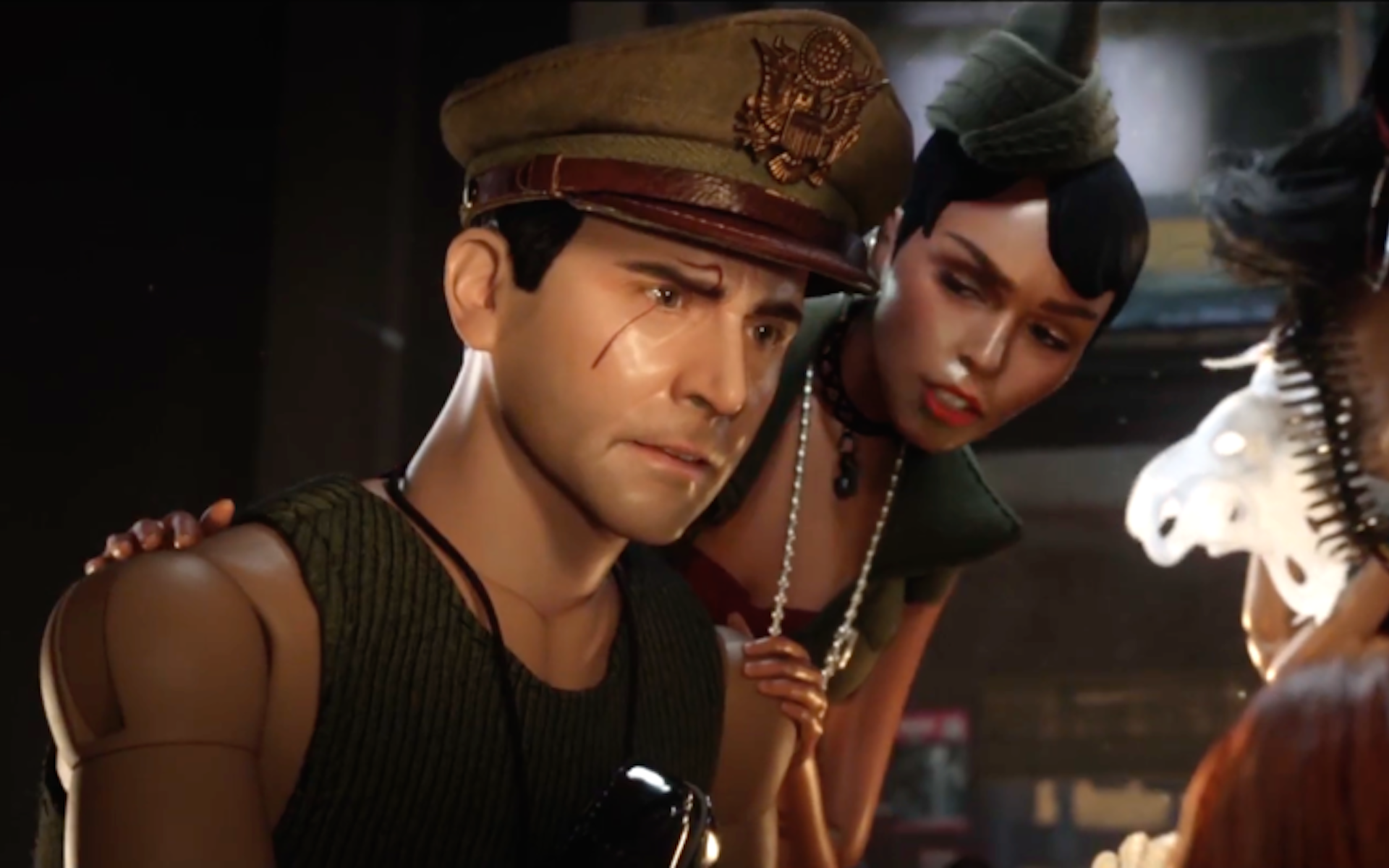
And finally, before we reach the Top Ten, probably the most controversial choice this high up as Robert Zemeckis' peculiar biopic is an acquired taste. Really it begins with the creative decision to try and make a sanitised, feel good version tale of the life of Mark Hogancamp, a man whose life was documented in Marwencol (2010), a documentary I saw in the early 2010s showing how, after a vicious beating left him permanently debilitated, Hogancamp rebuilt himself through a miniature fantasy World War II village populated with dolls which recreated tales of his life and fantasies, eventually gaining traction as an artist as his photographs of these stories caught peoples' attentions. His is a tale worth seeing.

Hogancamp's tale is also much darker than a film that was released as suitable for twelve year olds to see. There is explicit details at hand in his work, a man who is open with his obsessive collection of women's shoes whose beating was a result of him openly admitting he was a cross dresser, material that needs to be treated with care for him. There's also a fetishism coming into his work as this village, in-between gruesome death as Nazis permanently try to attack it, is also populated by tough sexy women based on real women in his life, alongside the clear sadomasochistic aspects that occasionally appeared, as his hunky square jawed stand-in can find himself stripped and beaten by said Nazis quite a bit. Its content, this and the subject of trauma, leaves Welcome to Marwen visibly in conflict with itself, a fight between a sanitised and sweet tale where Steve Carell plays him as a lovable man against Hogancamp himself, who in Marwencol can only be seen as utterly sympathetic but is a character even in the fictional version who is so much more complex and shaded. Especially with how Carell plays him and the plot, where he takes interest in a female neighbour, there's a darkness in this fictional version which leaves the question of how much is this the film getting away from the director, or is the director knowing where he was heading.  

Also, not only does the film succeed in this compelling and frankly jarring complexity even as a film, let alone its form itself being antagonistic to itself, the execution of what Marwencol (Marwen) is in the fantasies itself is Zemeckis, after his constant obsession with radical special effects, finding something legitimately surreal where the quirks of his experiments blossom rather than become vices. The film has to dance a merry dance around the sexualisation of the dolls, the actresses involved and Steve Carell turned into dolls, but it is some of the most unique and visually idiosyncratic of CGI animation particularly when, compared to Cats (2019) where super realistic cat effects are an unintentional nightmare, this literal doll logic with appropriate physics is compelling and successful.  Really the only thing of indulgence is how the director managed to sneak a Back to the Future reference, but aside from that I have no shame this film is this high on the list both in its unintentional complexities and how it manages to nonetheless work as a real Hollywood oddity, one with merit rather than a car crash like the aforementioned flea ridden felines.

To Be Continued...

Sunday, 12 January 2020

Best of 2019: Part 3 (30-21)


For Part 1

For Part 2


30. House of Seven Belles (1979/2019) [MUBI Streaming Premiere]

A controversial choice, but as part of Nicolas Winding Refn's byBWR website this still technically qualifies as an unfinished Andy Milligan film, one most will not have heard of even if you knew of the notorious cult director, which has been digitally premiered even without an ending and a lack of music. There is even a competition to submit an ending in any form possible that ends in March 2020, which goes to show this is one of the more idiosyncratic aspects of the site that I admire immensely. Even if Refn's own work has disappointed in 2019, he made up for it in this type of production.

If offers a tantalising possibility as, when usually this type of work would be only screened at film festivals or one off screenings, Refn's choice is one of the more inspired ones that emphasises even how an unfinished movie can have a lot of fascinating enticement. Andy Milligan, to be blunt, is an acquired taste - the acting can be broad, he has a very misanthropic view of the world, and barring the lack of his infamous spinning camera shot the film does have an idiosyncratic editing style at times to say the least. Milligan into the 2010s has gained a critical reappraisal, after years in dismissal, so the irony of a film of his getting a streaming premiere on MUBI is not lost. What's also of interest in his attempt at lurid Southern Gothic storytelling is that, with a very complicated history with gender politics due to a terrible childhood, how prominent the female cast are here is a really fascinating change of pace for him, alongside the clear sense of ambition he had. To the point he was behind the costumes himself, Milligan was clearly working on one of his most high budgeted films here which has a style to it, which is compelling to say the least.

To even get this film is of note for 2019, and to be controversial, the climax we do get involving someone falling off a cliff is a good enough even as an abrupt ending in itself.  For a film with an acid attack, his usual gore and really catty dialogue, it's a reminder of how idiosyncratic American grindhouse cinema can be, and as this is an example of one that lived up to expectations rather than disappointed, it does show that byNWR will still grab my attention if they keep up with these ambitious choices. If only there were a few more sites willing to offer this type of material, in art cinema for example, and for free to boot.


29. Dave Made a Maze (2017) [UK Blu-Ray Premiere]

A hipster remake of Vincenzo Natali's Cube (1997)? Not quite but it's my own promotional tag for the film, so I'll stick with it. Another of Arrow Video's acquisitions for the 2019, which sadly is the kind of film you don't get a theatrical release of, which is a shame as when Lords of Chaos (2018) is a poor film for the company to promote, this is one of their sleeper titles which is a reminder that they occasionally take a chance on an obscurity like this.

It's a metaphor for accepting growing into one's thirties, in which a man (almost Michel Gondry in premise) builds a cardboard fort to hide in within his lounge, only with the issue that not only does it bend spayial logic but even if they are made of card, the death traps inside do actually kill people even if they bleed red string. Somehow managing to be sweet and playful even with death involved, Dave Made a Maze was a film I anticipated, felt a little disappointed by, only to grow fond of over the year because of how much it was clearly a passion project for director Bill Watterson, a really strange passion project which is reminder that, whilst sadly a lot of American directors like him didn't get to make a lot of films over the 2010s, there are countless odd one-offs in cult cinema from the last decade. A lot which defy genre like this and are for me many of the most significant signposts for what the 2010s looked like.

Also, you cannot go wrong with a film where the cast briefly turn into puppets. Even The Irishman didn't have its cast turn into puppets. Whilst the ageing computer effects were fascinating, imagine if Robert De Niro's younger self was played by a puppet?


28. Zombi Child (2019) [MUBI Streaming Premiere]

A film I wonder about the release of - is MUBI just waiting for a while as they did with the 2018 Suspiria remake before they release a DVD? - but as further evidence that Bernard Bonello is an idiosyncratic director, what could've been a misguided and problematic tale is actually a really thoughtful tale which deals with Haitian voodoo. It follows two tales of a) a man in Haiti becoming a zombie, not the George Romero brain eater but the real folklore of someone drugged into a daze to become a slave, and b) an ancestor of his, a fictional grand daughter of a real case, living in France and the repercussions of her heritage becoming known to her French classmate as one becomes intrigued by voodoo. It's a calm, methodical drama first which pulls you in with interest, with respect for the religious beliefs. It does eventually become a horror film too, earning it by showing what the actual Baron Samedi is meant to be in all his mad glory rather than the James Bond version. That Bonello is even scoring the film with lovely synthesiser flourishes himself goes to prove he put his heart into the production.


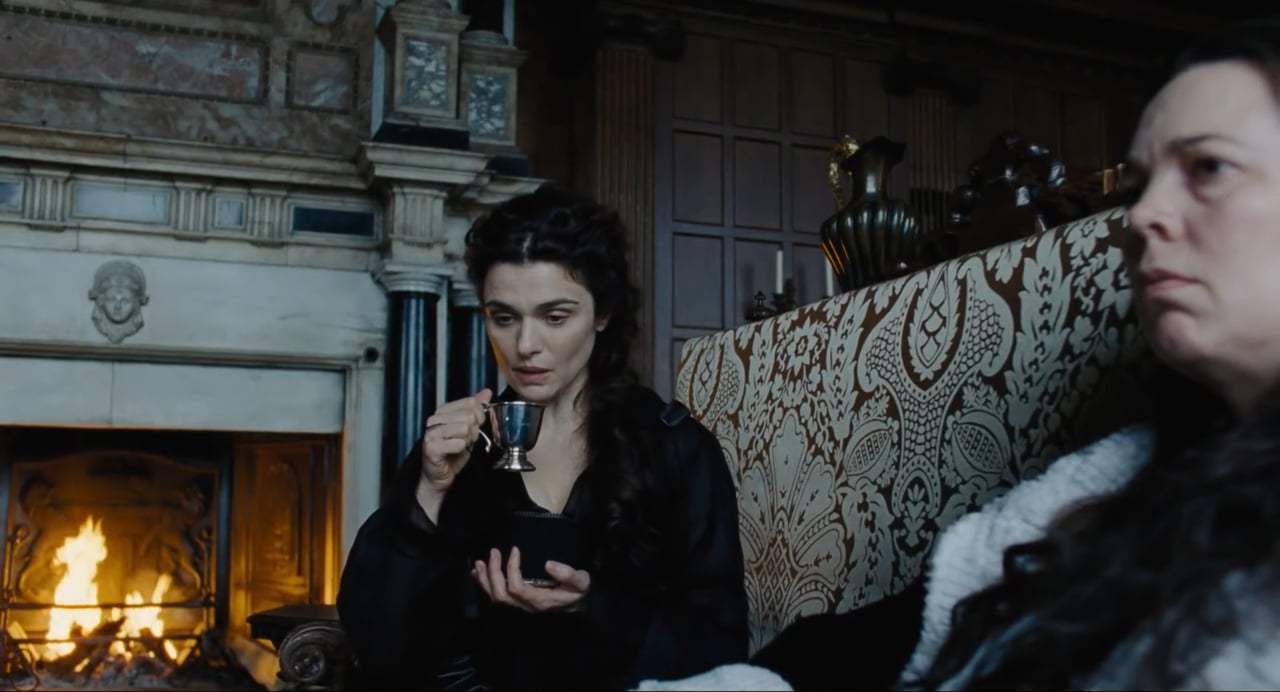
27. The Favourite (2018) [UK Theatrical Premiere]

Yorgos Lanthimos' follow up is probably made one of his weakest films, barring Kinetta (2005) his debut which was a weird little experience very different from his trademarks. It doesn't necessarily have the impact and risk of even the underrated The Killing of a Sacred Deer (2017), but there's stil a lot to admire in The Favourite.

There's also a perversity that I was able to see this film at a multiplex and that it won so many awards, including for Olivia Colman in the Best Supporting Actress category at the Oscars, when it's still a Lanthimos at its heart, a weird scrutinisation of human behaviour that just happens to be set in early 18th century England. Even if not as extreme as some of his other work, its sumptuous as the best of British period drama films this is technically part of, but with a profanity that makes it feel more alive than many. Even if now with screenwriters Deborah Davis and Tony McNamara, the dialogue is just as odd, the sex and violence when occassionally seen is just as striking, and the ritualistic behaviour is the same as any other Lanthimos character from before, be it Nicholas Hoult finding his inner Diva in full period appropriate costume and ridiculously big male wig, to the duck racing indoors among other activities of very bored and misguided gentry.

The result is still worthwhile even if his weakest, better than most peoples' best, and weird enough that you wouldn't have necessarily improved upon it if there was a scene with puppets either.


26. High Life (2018) [UK Theatrical Premiere]

Claire Denis' English language debut is probably one of her weakest films, mainly because outer space nihilism doesn't do it for me. You could probably accuse me as a hypocrite considering how misanthropic Andy Milligan is, but High Life's flaws is just how a bit predictable its cynicism of the human condition can be.

Denis too, like Lanthimos, cannot make a bad film however, and the best of High Life is the idea someone let her helm a sci-fi film with a high profile cast this risky. Everything that is memorable - the perverse ritual sex machine, the astronauts floating in outer space, the moments of heart in among the darkness of the human condition - are her best qualities alongside the sumptuous aesthetic and Tindersticks' Stuart A. Staples knocking the score out of the park. Another aspect, which rarely is mentioned with Denis' talent though, is her knack for great idiosyncratic casting, be it André 3000 from Outkast standing out to Juliette Binoche being as seductively evil as she can.

And of course, there's Robert Patterson. What a fascinating 2010s he had, starting off in the last Twilight films as an actor mocked for his role as Edward the pale sparkling vampire only to, from David Cronenberg's Cosmopolis (2012) onwards, to not only have a taste for idiosyncratic and weird productions, but is in fact a handsome matinee idol who is also an exceptional character actor. He is the kind of person, to keep the running gag for this part of the list going until it gets boring, could actually star in a film with puppets and a) have one of the best performances in it, and b) still be such a known name that, as with Twilight fans reading the source material for Cosmopolis, the possible future Batman star will draw people to his stranger and bolding career choices.

The decade has proven him with the last laugh, after all the mockery he and Kristen Stewart probably got for the Twilight franchise, she also going in a fascinating career direction, and his appeal is going to benefit unique and original voices like Claire Denis' in the long run. For example, the fact that my local former church turned art centre have The Lighthouse (2019) programmed in the upcoming months of 2020, alongside films that'll appeal to a mainstream greying audience, is all because of him in likelihood, all in spite of the fact all I've heard consists of it being a bizarre monochrome nightmare with Willem Dafoe stripping nude, and Patterson in-between masturbating about possible fictional mermaids and being threatened by a one eyed seagull. Even if his role in High Life wasn't also tremendous, he's a guy who I'm proud is a British actor who is good and loves taking risks like he has so far.


25. The Irishman (2019) [World Theatrical Premiere/Netflix Premiere]

With all the praise, articles and arguments over just Martin Scorsese slagging Marvel comic book films that has been generated by his Netflix produced film, let alone the same amount for this crime film itself, I think the truth is that for a three and a near half hour film, the only moment which really stood out for me emotionally is in the last thirty minutes. In a tale based on the real mob hitman Frank Sheeran, that final chapter touches upon something legitimately new in the crime genre as it eventually leads to his old age, forcing one to view criminals from the perspective of the end of their lives, possible jail time to illness and the weight of a life tainted by blood at the end of their own. Everything else is good, but not like this final half hour is.

That said, The Irishman is still a film of note, a handsome production made by a director more ambitious than people who are a quarter of his age. The cast are full of heavyweight who stand out, between Robert De Niro and Joe Pesci (returning from retirement) who are compelling in their roles, with Al Pacino the one standing out of such a strong group just because he steals scenes with premium scenery chewing as a petty ice cream obsessed Jimmy Hoffa, Even if it leaves the young De Niro looking like John Wayne briefly, the digital de-aging effects are fascinating too as a tool to try to tell stories which last over many decades. Certainly, after seeing Tom Hooper's Cats (2019), no one should be able to mock The Irishman even if you find the effect doesn't quite work.

Again, only the fact there are no puppet scenes is in hindsight a disappointment, (all spoken with tongue firmly in cheek), and far from a cheap joke, probably one of the biggest surprises and virtues of The Irishman is that, whilst its melancholic and weighted in Scorsese's Catholic guilt, it has so many hilarious scenes particularly with Pacino swearing the scenes blues that are also some of the strongest moments. If anything too, The Irishman's length, which has been criticised, is actually a virtue in forcing you to feel the weight of time, even though it only picked up for me in the finale, a film that feels worthy of it by being compelling regardless of the hype surrounding the production being a detriment for me.


24. Knife+Heart (2018) [MUBI Screening Premiere]

Yann Gonzalez reappears on this list, and honestly, the only surprise with this fascinating giallo set in gay porno culture is that it's surprisingly not as explicit as I'd presumed it could've been. However, in this tale of a female gay porno producer in 1979 Germany investigating the mysterious murders of her stars, this offers a fascinating new stem of ideas that will hopefully blossom in the 2020s. Namely that, in the 2010s especially, we thankfully got past the ironic neo-grindhouse pastiches to directors actually taking past pulp genres and turning them on their heads in sometimes very experimental forms. The best comparison to Knife+Heart is Hélène Cattet and Bruno Forzani, who also dabbled in the Italian murder mystery genre of giallos, Gonzalez as an LGBT director coming to this genre himself from a different direction of the gaze eroticising the male body and that, in mind the genre was always about style in the best of them, he runs with a smorgasbord of sensual aesthetics for both the eyes and ears.

Helping as well is that giallos, baring a few with good twists, were never really about their plots and could be strange and very erotic, sometimes just lurid and perverted, so here's a film where a rare breed of bird is a major clue, and that the eroticism is a thing of utter celebration with its porno chique. The music by M83 keeps the run of great synth scores on this list, thankfully a reminder that rather than a cheap way to evoke the nineteen eighteens, it's a thing of beauty next to such pretty images and interesting characters.

To see these genres being taken seriously by non-white, female and LGBT directors with high mindedness is only to welcome in cult cinema, especially when the results are great like this. Such a simple chance, a new perspective, is able to bring out some new layers to genres and hopefully more great films.


23. Burning (2018) [UK Theatrical Release]

Since the last film of Lee Chang-dong's I had seen was Green Fish (1997), a contemplative crime-drama film, and the reverse chronology Peppermint Candy (1999), this adaptation of a Haruki Murakami short story over nearly two decades later is a drastic change in pace for him upon catching up together.

Murakami has told a few stories like this in his career - down to earth and usually listless men, no going anywhere, who meet mysterious and beautiful women. The physical and emotional romance is going to end badly, he witnesses the worst of people, and like another tale or so, this even involves a cat as a major plot aspect. The major differences are that this is a South Korean director setting the film in South Korea, where there is clearly an entire layer of political commentary about the South Korean middle class that has gone over my head, as the mysterious woman is involved with a sinister rich man. That, and in being just under two and a half hours, Chang-dong turns a film that could've been much shorter into a slow cinema contemplative experience, stripped down to a realism and pace of time that could be extremely divisive for many.

Whatever the case for each person, Burning worked for me. That and the film has one of the scenes of the year in debuting actress Jun Jong-seo's dance sequence, which steal the film from everyone else, even Steven Yeun, a Korean-American actor more likely known for the likes of the Walking Dead series who doesn't feel out of place here in the slightest as the sinister rich man.


22. Under the Silver Lake (2018) [World Theatrical Premiere]

[Read review HERE

Following on from his abrupt horror smash hit It Follows (2014), David Robert Mitchell cashed in on his credit for a bizarro film, which in the history of American cinema usually is the brunt of harsh critical opinion, usually isn't a financial hit, but gets a cult following like Richard Kelly's Southland Tales (2006) did.

Under the Silver Lake is weird, setting this up when a squirrel abruptly drops dead in front of Andrew Garfield at the beginning, apt for a film where clues can be found in SNES video game magazines, Kurt Cobain's guitar makes a cameo, urban legends actually exist like a random dog serial killer, and that one should never disrespect the homeless. Under the Silver Lake does present a challenge that, as a gonzo noir influenced mystery with a Thomas Pynchon like obsession with tangents, the protagonist is a dickhead, a voyeur which is been an issue for some viewers as there is a lot of female nudity. I think the film knows this and sets this up by a) having him assault children even if they vandalised his car, and b) there's a scene where his voyeurism goes too far, with a drone camera watching a woman undress, only for the viewer to be stuck watching this one scene figure visibly in tears and undermine the gaze, a sigh of a film taking a risk by having such a flaw person capable of bad and good things as our guide to this weirdness.

Under the Silver Lake is also gleefully strange. I cannot envision a film in a long while, set in Los Angeles, where it references everything from old Hollywood cinema to REM. It also feels like the tide is changing, thankfully, away from eighties culture to the nineties, which could be unbearable as what I grew up in the decade with as a child gets rammed down my throat, but could also be much more odder. The nineties was also the decade where this type of weirdo genre hybrid cinema which dug into the far flung past, and also was found in other mediums like music, was the most prevalent aspect of the entire decade, so a film like Under the Silver Lake is hopefully not the last of these alongside something potentially god-awful like a Street Sharks reboot.


21. Occidental (2017) [MUBI Streaming Premiere]

[Read full review HERE

A film I wish I could see again, Neil Beloufa's Occidental is a very different film in that its very small scale, a tale of suspicion in a hotel between a small cast whilst riots are taking place outside, but definitely made in the 2010s with its lush neon, disregard for conventional genre structures and a sweet synth score. It proves as much an example of one of the past decade's most interesting features, that the old tropes and plots of yore, of suspicion as two mysterious men become the concern of the female hotel manager, when there's new voices who can approach it from sides that haven't until now been open, and with these playful aesthetic touches that add so much to the table.

Suffice to say that when we get to the top twenty in the next part, not only will there be less puppet jokes, although there are many films from the 2019 that were popular that might have been funnier with a parody of in such a form, but this aspect of Occidental, which also has the advantage of being less than eighty minutes, will be found running a gamut of genres and story types. Until then...

To Be Continued...