Showing posts with label The Best and Worst First Watches of 2015. Show all posts

Monday, 18 January 2016

The Best and Worst First Watches of 2015 Part 4

The Best First Watches of 2015 Part 3

The finale. There is no need for an epilogue or a passage on what I hope will take place in 2016, as films both newly made and classics will likely appear abruptly in my view, the greater concern that I catch up with all I want to see and don't spend the year watching terrible movies all the time. Beginning this, cutting to the chase, the first of the ten best works I saw last year is...
From http://41.media.tumblr.com/b9a900a7e683f18265bdf6ed
b06d639e/tumblr_n7arehMaWm1tbqhrmo1_1280.jpg
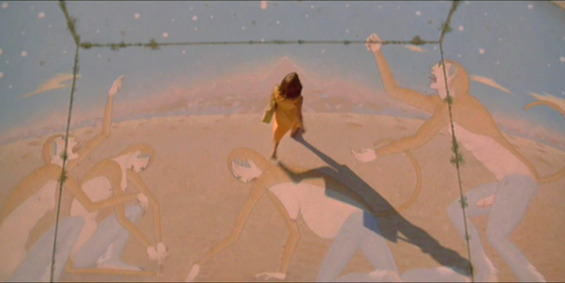
10. 3 Women (Dir. Robert Altman, 1977)
As the blog itself can attest to, I have an immense interest in unconventional cinema which can either be based around the type of psychological drama or how the film's world is portrayed. Robert Altman's film was fittingly conjured up from a dream he had, as enticing a qualifier for me to like it than anything else but you have to factor in the result's immense quality and affect on me after seeing it being the greater reward. The performances by Shelley Duvall and Sissy Spacek are the most vital aspect of this drama's dream logic succeeding, the both of them lulling you into its story credibly before a literal dream sequence sets off the psychological blurring that'll take place in the conclusion. It's an example as a film of an incredibly subtle dream logic rather than a blatant one, incongruous at first  between its seventies decor and Duvall's various party foods, but eventually leading to a dramatic and emotional realism in the end when it appears.

From http://www.extramilemovies.com/wp-content/uploads/2012/05/
VisEd-Lawrence-of-Arabia-Wide-Screen-camels.jpg
9. Lawrence of Arabia (Dir. David Lean, 1962)
I am committing a possible blasphemy for some for having this film so low down on the list, with an obscure anime above it as well, but my admiration for Lawrence of Arabia is a slow burn. It was viewed the best possible for the first time - Christmas Day, on the largest screen available and with my parents - and the film is less important for whether its historically accurate but for being a true epic in running time and scale, one which stands out further for how psychologically deep it is alongside the spectacle with its titular figure. The trio of Peter O'Toole, Anthony Quinn and Omar Sharif create an elusive and mysterious individual in the angelic, almost feminine Lawrence, his personality as depicted through O'Toole's magnificent breakout role that of someone still struggling with what his goals are even in the middle of his decision to take Arabia back for the Arabs from the Turkish Army, each moment where he stares off into the desert having many layers to it from no dialogue at all. The fact a film like this can never be made today as well - the real hundreds of extras in combat scenes, real planes and vehicles - makes the film as justifiably a masterpiece as I've grown up with it being called.
From http://www.chud.com/wp-content/uploads/2011/06/
Fantasia_Disney_Vault.jpg
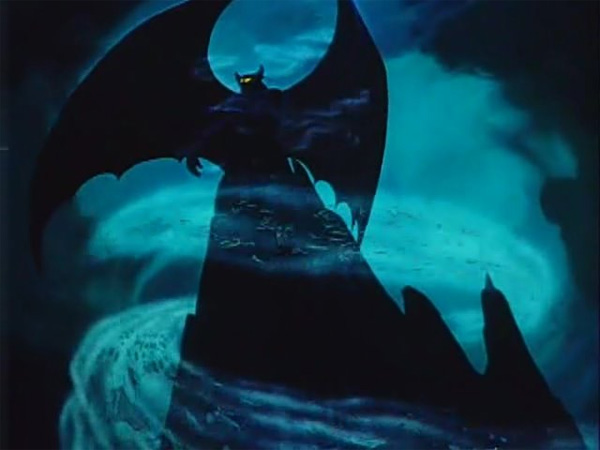
8. Fantasia (Dirs. James Algar, Samuel Armstrong, Wilfred Jackson and Hamilton Luske, 1940)
Like Lawrence of Arabia, Fantasia can be seen as an epic as well for American animation at the point the film was made and release, Walt Disney taking a risk with what could seem like a saccharine, populist project but ended up being a brave experiment comparable to some of the avant-garde shorts from the same era. I openly confess that, while I grew up with Disney films as a child, I've never really had the inclination to return to all but the most significant - Snow White and the Seven Dwarfs (1937)Pinocchio (1940) - and Alice In Wonderland (1951) as a Lewis Carol mark. I dread viewing some incredible safe and naive films which pander to the audience regardless of their artistry, but Fantasia, a film I didn't see as a child, is far from this. While known for its cute segment with Mickey Mouse that was mercilessly parodied in the Itch and Scratchy Land episode of The Simpson, the project is able to go from something as fun as hippo ballet dancers waltzing with crocodiles to starting with a literal avant-garde short of colour and shapes representing the music.

The film has the boldness to use Igor Stravinsky's The Rites of Spring over a short showing the creation of the world since the Big Bang which, while it does have the cute baby dinosaurs, is pretty radical as a take on the theme, the only regret being that after he originally liked it Stravinsky would later disown the interpretation. Watching the film did feel like a major cinematic event, another example of a film where the spectacle is also matched by untouchable quality and hard work from every animator and musician involved. Only the regret that, as well documented, Fantasia has been censored since the sixties for a racial stereotype in the Pastoral Symphony blots the film's exceptional qualities.
From http://www.slantmagazine.com/assets/house/film_addiction.jpg
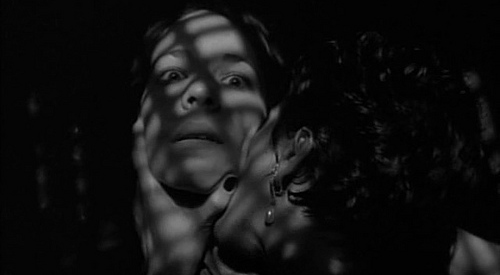
7. The Addiction / The Blackout / New Rose Hotel (Dir. Abel Ferrara, 1995/97/98)
If this had been The Blackout and New Rose Hotel only, this entry might've been completely different. Both are great films, let that not be dismissed, The Blackout a scuzzy tale and New Rose Hotel a character piece which does justify its repetition of earlier scenes for important effect, but it was The Addiction that marked 2015 as the year I finally "got" Abel FerraraBad Lieutenant (1992), which I had seen years before and so doesn't qualify it for the list, was an incredible eye-opener revisiting it with The Addiction adding fire to the coals of interest in him. All of his films, revisiting them, have a heightened tone that could easily become absurd, or tasteless as The Addiction in its vast collage also includes historical genocide alongside philosophy and vampirism, an earnestness alongside the darkness that has finally won me over. His memorable characters - Christopher Walken explaining to Asia Argento how to seduce a man, Lili Taylor as a female mirror of Ferrara himself struggling through a blood addiction, Matthew Modine being pushed along by Dennis Hooper's Faustian film director into a night of degradation - populate a distinct world that is entirely Ferrara's own, all three films with Bad Lieutenant making an exceptional marathon for any viewer to see.

From https://www.closeupfilmcentre.com/index.php/
download_file/view_inline/1481/
6. Eyes Without A Face (Dir. Georges Franju, 1960)
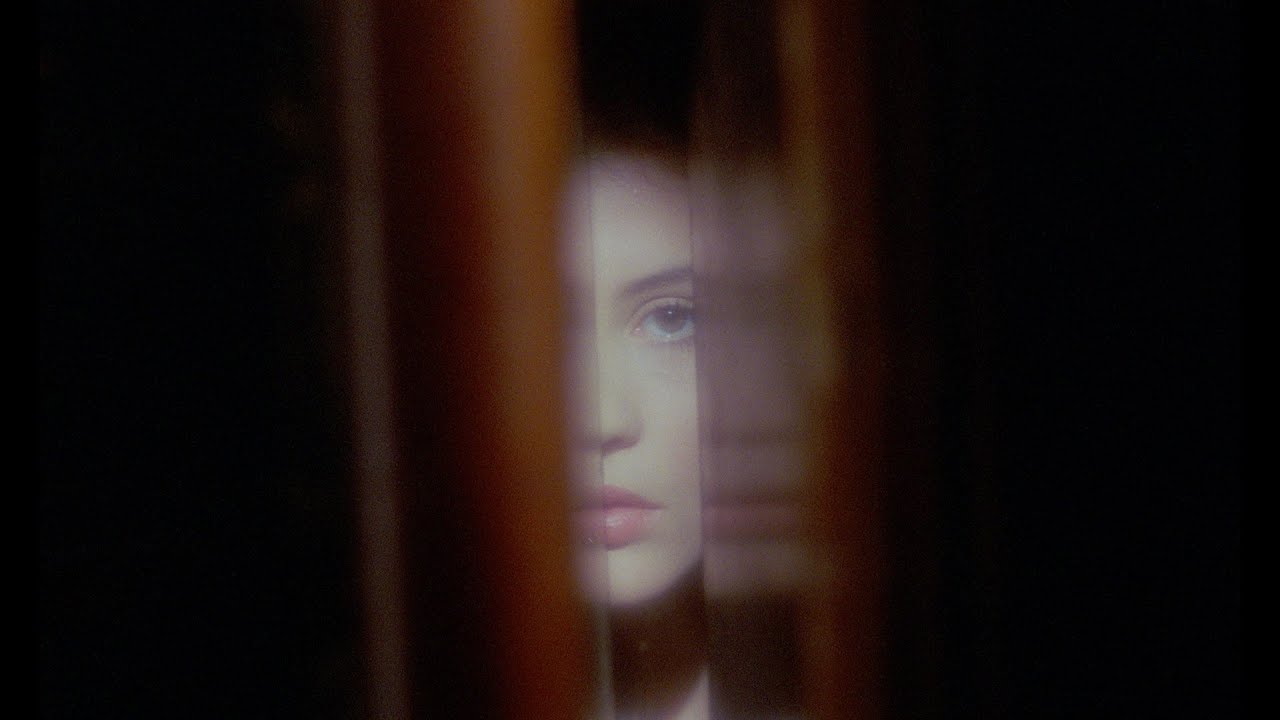
Long awaited just because of the extensive delays the BFI dual-format DVD/Blu-Ray had from October 2014 to Summer 2015, seeing one of the most highly acclaimed and controversial horror films of its day was absolutely worth it. It cemented that Georges Franju is becoming one of my favourite directors, having created a beautiful and haunting work, one that possesses scenes that are still uncomfortably gory to sit through when it gets to the operation sequence.

From http://www.gamerkun.com/wp-content/uploads/knk04_01.png
5. The Garden of Sinners (2007-2011/Anime Franchise)
The black sheep of this Top Ten but a personal choice. It's a series of chapters of one narrative, all released theatrically first, that could be seen as pretentious, way too violence and, with each episode from forty minutes to a whole theatrical length, very complicated to sit through. It neither helps that, unlike the limited edition but affordable and beautifully put together UK DVD boxset, the original Japanese rights owner Aniplex sold this in the USA in a limited edition set that'd cost over $200-$300 at least, than last year made it possible to import the Japanese Blu-Ray set for $300 plus. The only real flaw with The Garden of Sinners for me personally, which has become its charm, is that its ambition does mean it chews on a lot of vague and lofty dialogue, maybe translation in the subtitles being an issue, which makes its lengthy plot which mixes chronologically more difficult at points on the first viewing.

Beyond this however, I fall in love with its darkened mood and willingness to take risks even compared to other anime, its unique release origins and episode structure an immediate virtue. It's violence, including sexual, is never exploitative but is one of the cases, when I've seen other recent anime that has been dubious and flippant on such content, where the explicitness when do right adds to the severity of it. It's lofty and honestly pretentious tone doesn't detract from how interesting its world and characters are, dark fantasy in a real city setting, and consider its central female character is an emotionless killing machine, how fleshed out her and the male protagonist's relationship is becomes the most important dramatic content.

The characterisation and the clever skewering of chronology in the first chapters really stands out as well, as does the bravery of 1) the brutality even in a medium like anime which can be extremely gory, 2) the willingness, not to spoil the serial, to have the main villain effectively be concluded with halfway through but make the central protagonists' drama the real concern with another antagonist, and 3) have the straight to video epilogue, released a few years later, consist of only two characters talking on a snowy road incline in an existential way, probably too earnest and odd but such a refreshingly esoteric way to add a cherry to the cake. Originality with how to present the material let alone the premise is something I admire greatly, and The Garden of Sinners is an example of an anime where its flaws cannot undermine its great ideas. Originally theatrical features, this is as good as you can get for animation and style, and whilst I find a lot of J-pop in anime in vast contrast to other fans embarrassingly bad, the music by Kalafina is legitimately great, atmospheric pop songs. Originally based on a light novel series, The Garden of Sinners is another example where a high quality production and a willingness to put one's neck on the line for inspiration creates something admirable.

From https://adamcr007.files.wordpress.com/2015/01
/dr-mabuse-the-gambler.jpeg
4. The Fritz Lang Dr. Mabuse Trilogy
The last big series of films I saw in 2015 was Fritz Lang's Dr. Mabuse films. Whilst there were three films after in the sixties and Claude Chabrol's 1990 tribute Dr. M, the Lang trilogy are unique in how they are three very different entries in terms of style and presentation, all of them however exhibiting the talents of their director.

Dr. Mabuse The Gambler (1922) is a two part epic, watched over two nights, of the silent era with a pulp novel tone and a willingness to use the dreamlike tone and visual effects of the pre-sound era for added greatness. The second, The Testament of Dr. Mabuse (1933),  a sound film at the precipice of the Nazi rule of Germany and Lang fleeing to the US, sinister and fully embracing the phantastical with one of the most freakish scenes I've seen in cinema for a long time. The 1,000 Eyes of Dr. Mabuse (1960), sadly Lang's last film as poor eyesight and the inability to get a film made until his death in 1976 prevented him from continuing, is the least known and feels like a mid-sixties film, predicting what Euro genre cinema would be like even without the gore or sex, including cult actor Howard Vernon in a nice thug role, as strong as the other films before it. Together the trio do offer up a potent snapshot of the various fears of their time periods percectly whilst not betraying their entertainment value, popcorn flicks as they should be with the ability to provoke strong emotions.

From http://s3.amazonaws.com/auteurs_production/images/film/scenes-from-a-marriage
the-theatrical-version/w856/scenes-from-a-marriage-the-theatrical-version.jpg
3. Scenes From A Marriage [Theatrical Version] (Dir. Ingmar Bergman, 1973)
Sadly the original television version of Scenes From A Marriage was never released on DVD in the UK. In general the state of Ingmar Bergman films in terms of availability in Britain, most of which the now defunct Tartan Video had the rights to, is embarrassing including key canonical entries in his filmography, so to be able to see them or have enough money to import Criterion releases from the US will be something I won't take for granted. Even in its truncated version however Scenes From A Marriage is an incredible drama, another example of acting at its best through Liv Ullmann and Erland Josephson's central performances. A huge factor about Bergman's films as well when they are very acting heavy, when other acting heavy films can feel fleeting and undermine great performances,  is because the drama in each scene is taken as far as possible, in its theatrical version only a small selection of incidents as a marriage falls apart which are allowed to build and go through valleys and peaks of emotions even in the same scene, incredibly powerful moments which were all felt for me.
From http://www.electricsheepmagazine.co.uk/reviews/wp-content/
uploads/2011/11/review_NARAYAMA.jpg
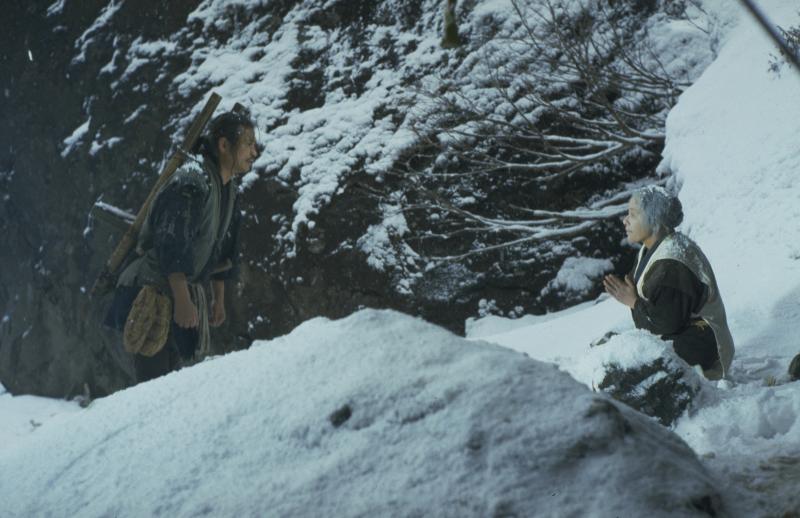
2. The Ballad of Narayama /The Insect Woman (Dir. Shohei Imamura, 1983/63)
I can thank the Shohei Immamura box set released by Eureka! for allowing me to catch up with films they had released over the last decade or so of one of my favourite directors; sadly it's another limited edition, but even if there will not be another Imamura release on physical media for the next few years the box compensated for it greatly. Since I had seen most of the films within it, these two films became a significant gap in my knowledge of Imamura, his early success documenting the life of a woman from her birth to older age and the drama in-between, and his first Cannes film festival success which follows an ancient community where the elderly are taken to the mountains to perish when they reach a certain age. They are films, despite the changes in look that took place in Japanese cinema over two decades aesthetically, from the stark Nikkatsu monochrome to eighties sheen, which have the same lived in quality, a type of drama that doesn't feel contrived because of Imamura's entomologist like attitude to outcasts, lowlifes and the common people.  His cynical view about any organisation or philosophy meant to influence the populous - the military, the US military, capitalism, lords and politicians - is matched with an acceptance of the outsiders even when they are uncompromising or cold blooded in their attempts to survive, seeing them as the real face of humanity he has sympathy with. Completely frank in his depictions, the result feels like what drama should be, a literal sociological study of lives which doesn't shy away, even in the context of a sixties film, in talking about subjects like sexuality or poverty, nor above having moments of humour or the narrative monologues of The Insect Woman does.

From http://2.bp.blogspot.com/-cUmcvb0z5r4/Ti17CnMPFwI/AAAAAAAAAPs
/6AsD4_YS6co/s1600/fruit-of-paradise.jpg
1. Fruit of Paradise (Dir. Vera Chytilová, 1969)
However, even against Imamura and everything else on this list, Fruit of Paradise was the real surprise of the whole year. Long unavailable, its awe-inspiring opening reinterpretation of the Adam and Eve tale by way of living, textured images is just the beginning of an alien, curious and ultimately rewarding film. From the director of Daisies (1966) I'm not surprised how good it was but the sole viewing has been stuck in my mind since then, completely disregarding narrative conventions and, like the sequence when the female protagonist lavishly touches the collection of leaves and shells in a set of drawers, as much about the sensations and sensations of the film's construction as well as its tale. That it's also a tale about a man who may be killing women, set at a strange health spar in the wilderness, adds to its virtues, and as one of hopefully a few Chytilová films that have or will be made available in the UK on physical media thanks to the hard work of Second Run, I sincerely believe she will become a favourite director of mine. With Fruit of Paradise and Daisies by themselves she probably has already.

Friday, 8 January 2016

The Best and Worst First Watches of 2015 Part 3

The Best First Watches of 2015 Part 2

From http://8.media.tumblr.com/PrbyDnKQQl9eg15qsE80tuXGo1_500.jpg
19. Heart of Glass (Dir. Werner Herzog, 1976)
Qualifying as the strangest viewing experience of the last year, from a director already know for unorthodox film making tactics and subjects, Werner Herzog had everyone but background extras and the central actor, playing the isolated and ostracised man in a community, hypnotised before going on camera, this period drama about a red ruby glass formula being lost turning into a disorientating and unnervingly odd experience, the outsider literally the sane one when everyone else acts erratically on-screen. Pretty much becoming one of the most memorable Herzog films I've seen, despite its minor status in context of his filmography, Heart of Glass really does deserver the term "one-off"

From https://blogger.googleusercontent.com/img/b/R29vZ2xl/AVvXsEg5lrGjnhqUkHgSuXa8WzcvGDpN7P6vTvxSMhErvgVe0hCfwNjNbxZdqyjIMCYT5Td9msrBtafyvXlX5dUJXPbjw9AnD_vyB-Gy3xQW4SRxnE9AQ6Bf96YjUxR82-wvZw0Ah3RVvZwTjqU/s1600/
Jakubisko-Birds.Orphans.and.Fools.1969.avi_snapshot_00.50.58_%5B2013.06.16_01.08.43%5D.jpg
18. Birds, Orphans and Fools (Dir. Juraj Jakubisko, 1969) 
The DVD company Second Run is going to appear on this list again and with the intention of catching up with all their releases since they first started in 2005 this year, this company which is only about to release their first Blu-Ray release soon has yet been loved over ten years for their championing of great, unseen cinema in the British sales. Eastern European cinema in particular has been one of their best wheelhouses especially when it comes to Czechoslovakia, but this is the first case in their catalogue where the "Slovakia" of the former country, before it split into Slovakia and the Czeck Republic after the Cold War ended, is emphasised through  one of the most acclaimed Slovakian directors in existence. Czechoslovakian cinema is one of the most spectacular to have existed for me, every film I've encountered including the popular sci-fi romps magnificently inventive and cinematic, but Birds, Orphans and Fools is so dense it's impossible to try and describe it in this small review. The visually elaborate and richly told tale of two men and the beautiful young woman they meet, culminating after so much joy into tragedy, is such a delirious experience to sit through.

From http://366weirdmovies.com/wp-content/uploads/
2012/10/institute_benjamenta.jpg
17. Institute Benjamenta, or This Dream People Call Human Life (Dirs. Stephen and Timothy Quay, 1995)
Speaking of a film difficult to describe, the Quay Brother's first feature film after a decade or more of short film work is just as unique as the last two entries on this list, depicting a school for butlers and throwing the viewer into a very elusive work in terms of tone, sweltering in mood rather than an elaborate plot, and pretty much bringing the aesthetic style of the Quay's to a feature length film without any failings. It was a nice coincidence to have watch this as in 2015 as Christopher Nolan, in an incredible surprise, decided to take advantage of being a box office messiah to make a short documentary on the twin animator-filmmakers, also leading to restorations for some of their shorts which would be toured around the US with the documentary. This, alongside a few other factors, has lead to soften my thoughts on Nolan for the positive, this act of his one anyone could admire him for and like him immensely, and if his decision turns out to have been success, more people who usually watch films like The Dark Knight (2008) are going to stumble onto something as atmospheric and unconventional as Institute Benjamenta.

From https://estreetfilmsociety.files.wordpress.com/2014/04/black_girl_sembene_
1966_esp-avi_snapshot_55-16_2010-10-31_10-38-22.jpg
16. Black Girl (Dir. Ousmane Sembene, 1966)
Another of the great 2015 home media releases of the year, though I'm weary of the BFI, who released it, making it a Limited Edition only. If a DVD only release is down the line, this is not an issue, but considering that in only sixty minutes or so Black Girl is such an angry, to-the-point drama about post-colonial racism and the frustration of an African woman who goes against the job she is tricked into, it needs to be a film that's kept in public availability in the future even through a budget release. Sembene is a director whose films really need to be more easily available, not only for the clear talent he had but for films of his I've actually seen like Xala (1975) to be accessible and those I haven't seen to be at hand's reach.

From http://www.fantasticinema.com/wp-content/uploads/
2015/09/zeder-1983.jpg
15. Zeder (Dir. Pupi Avati, 1983)
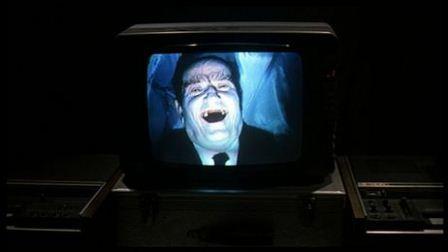
Probably one of the most powerful images from all the films I saw last year was that of a man in a room as a television screen starts playing, a live camera showing the close-up of a horrible being who shouldn't be alive cackling at the man's expense. Zeder is amongst the most obscure on this list especially as it hasn't even had a mere DVD release in the UK, a very original take on the zombie genre which, through a conspiracy of a resurrection technique, shouldn't be spoilt and enjoyed on the first watch blind to all that takes place. Particularly when the eighties, while fun, were starting to lead to the goofier Italian genre films and eventually take a nosedive in the nineties, the macabre almost Lovecraftian story of Zeder stands out more. Enforcing the strong year it was for discovering sadly obscurer horror films that should be more well known, Zeder's director is more well known the giallo The House With Laughing Windows (1976), which will certainly be a subject of interest for me in 2016.

From http://2.bp.blogspot.com/_y1USaJemzSs/TEdzUHFwotI/
AAAAAAAADnY/JjB1EL0-WDI/s1600/tale+of+the+fox+2.png
14. The Tale of the Fox (Dirs. Irene Starewicz and Wladyslaw Starewicz, 1930)
Another film sadly unavailable on DVD, one of the most beautifully put together animated films of its era, an elaborate stop motion feast which is gorgeous to view especially in lieu of how painstaking it must've been to make. It also happens to be one of the most misanthropic I've ever seen and from an age long before Pixar, the titular tale of a fox whose villainy and ability to deceive every other animal in a fantasy kingdom actually makes him a heroic protagonist compared to the stupidity of everyone else, something even more alien and black hearted in context of the political correctness of today and the desire to tell everyone that they're all special. Like celebrating a character like Arsene Lupin, a gentleman chad, the fox's series of tricks and deceits before even a war is called out against his castle in the ending is so magnificently dark in a gleeful way that it appealed to my blackened heart as much for story as it did for its visually splendour.

From https://kiaikick.files.wordpress.com/2015/10/grandmaster3.jpg
13. The Grandmaster (Dir. War Wai Wong, 2013)
Released in 2014 in the UK, The Grandmaster is a very underrated film. Viewed in the shorter international cut, which fragments parts of its tale further, it's easy to see how it might've frustrated people. The expectations surrounding the film as it took years to be made as well, including how lead actor Tony Leung Chiu Wai broke his arm during the production, made the anticipation too high, which is more than likely why the film appeared at the cinema in the US and the UK and seemed to have disappeared with little critical praise. For me it was everything I was hoping for, less a martial arts film but a Wong Kar-Wai drama which was about martial artists. Ashes of Time Redux (1994/2006) informed me what a martial arts film from him would be like, still with exhilarating fight scenes but more concerned with the characters' emotions in a series of almost dreamlike sequences, effectively continuing with his trademarks and pushing them further and further along, not appealing to many people but still some of the most exquisite and best filmmaking possible. Far from the damp mark it may have been for others, this was what I was hoping for from Kar-Wai; having seen how much Tsui Hawk was compromised with Detective Dee and the Mystery of the Phantom Flame (2010) into making a bland and palatable blockbuster, The Grandmaster which was Kar-Wai's first mainland Chinese and Hong Kong co-production is the complete opposite, an art film I can only hope can be released one day in the West in its original length cut.

From http://sensesofcinema.com/wp-content/uploads/2012/02/
The-Passenger-e1423266576566.jpg
12. The Passenger (Dir. Michelangelo Antonioni, 1975)
Probably the best part of this film's legacy, as an example of a Hollywood actor working with a European auteur when Antonioni made a couple of English language films, is knowing Jack Nicolson holds this role of his and the film in general with such incredible regard, a film that even in its artistic and methodical style is still an effective character study which interlaces traces of the crime genre, about a man who poses as another, but is still the artistic masterpiece in tone and especially for aspects like the legendary and lengthy one-shot camera track at the end. A film like The Passenger shows how bold films can be and not at the expense of a magic to them, particularly as I'll agree with Nicolson and say it's one of his best roles in his entire career.

From https://i.ytimg.com/vi/i4lnNuJBqtw/maxresdefault.jpg
11. The Strange Case of Dr. Jekyll and Miss Osbourne (Dir. Walerian Borowczyk, 1981)
Possibly one of the most exciting releases considering how Arrow, the DVD distributor behind its 2015 release in the UK and USA, broke their backs to get it in the first place and at the best quality. Thanks to the beautiful retrospective releases (and critical appraisal) of his first five films and most of his short films, all restored through public crowd funding, the rights to Walerian Borowczyk's take on the Dr. Jekyll story, for decades stuck in limbo, were finally relinquished; going through the same extensive restoration the result is the perfect way for any film to get its first DVD and Blu-Ray release in any form. That the film, which could be seen as a minor erotic horror film on the surface, actually turns out to be such a gracefully dark work that's sumptuous to look at and still transgressive in the current day is a celebration, as the worst thing could've been that the hard work was all for naught but a minor movie. Instead you have a film that has Patrick Magee, Udo Kier, Howard Vernon and the stunning Marina Pierro stuck in a Victorian period costume drama that becomes a series of taboos being broken and the original story's premise being turned upside-down at the end. Able to appreciate Bernard Parmegiani's score, Borowczyk's own production design and the cinematography by Noël Véry in full, gloriously restored detail, it's a piece of art which happens to also be about a man who kills people with a giant scimitar-like penis amongst his many other perversions, the restoration quality adding to the kind of melding of art and perversity that I sadly don't get today rather than before I was born.

Wednesday, 6 January 2016

The Best and Worst First Watches of 2015 Part 2

The Best First Watches of 2015 Part 1
After the dreck covered in the worse of my first time watches list, which can be read if you follow the link HERE, it's worth like the cleansing of a burnt meal with a fine wine to start covering the first ten best films I saw for the first time, all of which had to be at least released or premiered before 2015 in the United Kingdom. With one TV series or two and one film serial included in the whole list, as I am against discriminating against them when they are the same medium, I also have themed films (a franchise, a director etc.) together as one entry.

From http://regmedia.co.uk/2013/07/18/the_picknickers.png
30. Quatermass II/Quatermass and the Pit (Dir. Rudolph Cartier, 1955-58/TV Mini-Series)
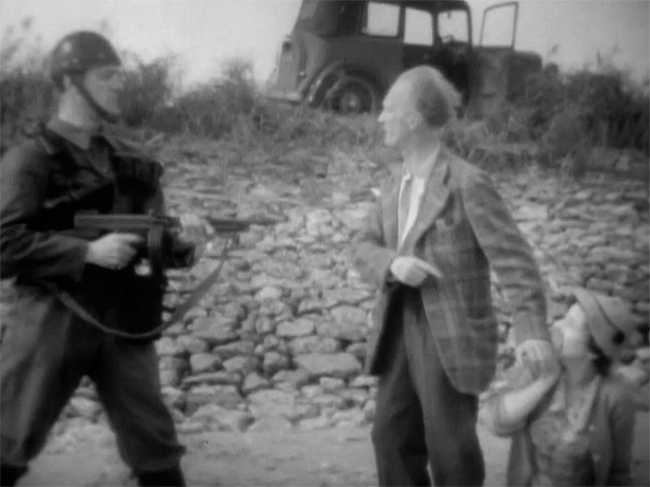
Emphasising the lack of bias towards television, number thirty is two six episode mini-series from the BBC. It has felt arbitrary for years for me to dictate television cannot be on these lists when it's the same medium as cinema and is only watched differently. With Quatermass and the Pit, not to be confused with the later feature film adaptation of the series by Hammer Studios, I even watched every episode in a night's marathon with my fathe, which was by far a greater viewing experience than with most cinema released films. Amongst the couple of franchises that I viewed for the first time in 2015, one was viewing all the Quatermass stories baring the 1979 series that ending writer Nigel Kneale's version of the character and the 2005 live television remake of The Quatermass Experiment. It originally started out as only watching the three Hammer adaptations, but by chance I started with the TV series, three in total too, which ironically turned out to be the better versions for at least two of them. Only two because sadly the original Quatermas Experiment for the BBC has only survived through its first two episodes, casualties of the lack of archival presentation Dr. Who episodes fells into, but the others after despite their budgetary limits and lack of Hammer production value are superior than the films made from them.

That's not to say the Hammer films aren't good, particular with their Quatermass II (1957) being a gem, but with the TV versions six episodes of Kneale's masterful screenwriting means a lot more character depth, a lot more British eccentricity, a lot more pacing of events, and a lot more to digest in the shows' messages. Quatermass II the TV version manages to even be more cinematic than the film in its ending by literally ending in orbit thanks to the BBC model department. The entire experience of all these Quatermass TV shows over the months was a very delightful one, the kind that would encourage me to visit other BBC television from the decades particularly in terms of science-fiction and fantasy like this franchise's ilk. Certainly as someone who only knew of Nigel Kneale through his connection to Halloween III: Season of the Witch (1982), he was an incredible discovery for the year.

From http://hooniverse.com/wp-content/
gallery/cache/2918__720x540_for-your-eyes.jpg
29. For Your Eyes Only (Dir. John Glen, 1981)/The Spy Who Loved Me (Dir. Lewis Gilbert, 1977)/The Living Daylights (Dir. John Glen, 1987)/Casino Royale (Dir. Martin Campbell, 2006)

The biggest viewing marathon of the year however in terms of scope, size and effect on me was two months devoted to all the James Bond films from Dr. No (1962) on DVD to Spectre (2015) in the theatre, also including the terrible Casino Royale parody I've covered, the fifties American TV adaptation of Casino Royale no one brings up barring hardcore fans, and the unfortunately return of Sean Connery as Bond in Never Say Never Again (1983) that should be buried. Sadly there's few franchises from now on that are going to have the epic nature to them as viewing all these films one-by-onw, many I never saw before or not since childhood, because this series managed to get over twenty four entries and is still going. This is not something like the Friday the 13th franchise or the Marvel Universe of now, but a monolith containing decades worth of cultural politics, enough issues of sexual politics to skewer and dissect, and enough martinis to have causes permanent liver failure. In fact the length of the series is as much a factor of why I've fallen in love with it now after; if there had only been a few films, or if it was only the dullness of the Pierce Brosnan entries, than I would have no attachment to them, but six decades and counting brings up the fact the Bond films represented their eras for good and bad, as much travelogues and excuses to reveal in other cultures as it was to enjoy the silly gadgets. Terrible CGI and dumb attempts to turn the series into an American style film lost each time in favour of real stunts and a Britishness each time after, whilst with each film Desmond Llewelyn as Q became an uncle figure to Bond you adored each time he appeared onscreen. It was surprising how little of the films before the Cole War ended were actually about the Russians being villains, trying to build up peacefulness between us and them with only an occassional war hungry maniac trying to ruin it. It was also an education lesson for anyone that casting European art house and genre film stars as Bond Girls and villains is the smartest thing you can do considering the list of people who were cast over the years and how memorable they nearly all were.

More surprising is how different my opinion turned out from common perception. Connery is one of the best Bonds, but Goldfinger (1964) and a few others were flawed, whilst Roger Moore's worst two were actually his first, even A View To A Kill (1985) a hell of a lot more entertaining if you accepted it's silliness. George Lazenby was unfairly maligned in his sole entry, whilst Timothy Dalton is now a personal favourite Bond, his bottling of emotions so entertaining even if License To Kill (1989) is a Cannon Pictures film with a higher budget. The less said about Brosnan's entries however the better though, even GoldenEye (1995) a weak film, making the Daniel Craig era a breath of fresh air afterwards.The three chosen reflect those I'd yet to see and liked. I'd already loved From Russia With Love (1963) and You Only Live Twice (1967) in the Connery years, and as mentioned, Goldfinger was actually a disappointment. On Your Majesty's Secret Service (1969) was another I saw and already liked. The Spy Who Loved Me and For Your Eyes Only proved how good the Roger Moore era was even if you weren't like me and even found Octopussy (1983) entertaining. The Living Daylights is really the film I treasure the most even if it's not the best - and I admit to viewing the A-Ha title song as one of my personal favourites too - while Casino Royale alongside Skyfall (2012) were great bookends after the misguided but admirable silliness of Quantum of Solace (2008). Sadly, barring probably one of the most best title sequences in a long time, Spectre was a flat conclusion to the marathon, but the experience of it was more than worth it and the real experience to take away.

Fromhttp://ak-hdl.buzzfed.com/static/2014-10/15/14/enhanced
/webdr07/enhanced-buzz-wide-28047-1413398287-8.jpg
28. Wes Craven's New Nightmare (Dir. Wes Craven, 1994)
Finally in marathons, there was the Nightmare On Elm Street series when I purchased the brick set available in the UK. I left the first, iconic film to last actually, starting with Freddy's Revenge (1985) to Freddy's Dead: The Final Nightmare (1991), the original well known to me whilst the sequels were uncharted waters. As mentioned in the first of these posts, Dream Warriors (1987), the third and the first 18 certificate I ever saw as a kid, is actually the least interesting of the lot. After the late Wes Craven's inspired premise for the first, and that film still stands up, you have the homoerotic subtext of the second, Renny Harlin and the whose-who of special effects creators going insane on the forth, the fifth redeeming itself with some inspired creativity despite its blandness and Freddy's Dead being so weird it's actually compelling. While none of them got on the list, I enjoyed them all, and despite everything that caused the series to crash and burn, the fact that the premise was about a killer who murdered people in their dreams ultimately saves the franchise as, in the height of practical effects and creative ideas in the eighties, every film has an inspired or bizarre idea to it even in the dumber concepts. Even if its child killer villain, who was terrifying in the first film, ends up making wisecracks and riding a broomstick in a Wizard of Oz parody in Freddy's Dead,  such monstrous and strange sights as a girl being turned into cockroach got used and created in elaborate detail through practical effects, effects that could still be haunting or freakish even if the films got sillier.

The entire series is also needed because, with it, New Nightmare is even more potent. Scream (1996) is completely overrated as a meta-commentary on horror cinema with Craven's filmography, done better by New Nightmare through a Lovecraftian nod of unseen horrors being spread over the entire story of the original creators and actors being terrified by Freddy Krueger, even Craven himself a victim of abominable nightmares as he admits that the sequels were needed, no matter how bad, to keep the real monster called Krueger safely locked up in stories and not getting into the real world. For this great content - including the nightmarish dream logic, nods to fairy tales and Heather Langenkamp's wonderful central performance as "herself" - to work you need Freddy's Dead and five previous sequels to exist before it. Like the Bond films, the catalogue even if the quality is bad at times actually creates a strong foundation for a greater emotional investment, with Craven looking on at embarrassment at his creation being a quip merchant but not ignoring what had taken place when he takes it back, using it instead for greater relevance. I've found Craven's films to be inconsistent, which is a horrible thing to admit when the man sadly passed away unexpectedly this year, but I ended up with a tribute to the man's best virtues here that also proves that one great film can justify even the terrible rap songs that scored some of the sequels' end credits.

From http://classiq.me/wp-content/uploads/2013/03/
grace-kellys-style-dial-m-for-murder-e1363905689165.png
27. Dial M For Murder (Dir. Alfred Hitchcock, 1954)
A priority for 2016 is watching the films by acclaimed directors I've yet to get to, from well known titles that would be on lists of shames for others to obscurities. Hitchcock is one such individual, and while I was unfortunate not to see the original 3D version, Dial M For Murder's real virtue is how in a chamber piece limited by sets and actors it manages to boil down all of his virtues, from his misanthropic black humour to the importance of small details affecting the narratives, into one great film. Alongside this you also have his skill at using camera movements and the general high quality technical quality of his films, making each moment as tense as possible, craftsmanship that is utterly entertaining. It's also deliciously dark, Ray Milland alone enough to justify the film on the list for how he almost reveals in wanting to bump off Grace Kelly.

From http://www.parkcircus.com/assets/0004/
8224/ti104479_large.jpg?1341621190
26. The Quiller Memorandum (Dir. Michael Anderson, 1966)
In contrast, while a suitably well made and tense spy drama, it's Harold Pinter's script and the words spoken which make The Quiller Memorandum as rewarding too. My first real encounter with Pinter's voice, the first moment of two politicians in London debating a West Berlin situation and the food on the menu with the same manner of tone immediately sets one on a tangent vastly different from James Bond in its political view and poetic, sharp speeches. With Alan Guinness as the eccentric contact and Max von Sydow as the menacing neo-Nazi leader Oktober, the cast is strong enough to make every word stand out, the bleakness of the ending still smarting for me months after seeing the film. It is a stylish film, but The Quiller Memorandum is also a diagram for how economical filmmaking is just as powerful as being elaborate in the aesthetic.

From http://fgmxi4acxur9qbg31y9s3a15.wpengine.netdna-cdn.com/
assets/uploads/blog/ZLASTodin_ass_38a84ae4-11d3-e411-b7d2-d4ae527c3b65.png
25. The Decline of Western Civilization Trilogy (Dir. Penelope Spheeris, 1981/1988/1998)
Finally making its way to physical home media in both the US and the UK, the cult acclaim of the Decline of Western Civilization has been in my ears for years beforehand. The release of the films is a triumph, but controversially for me the first film, the most acclaimed, is actually the least interesting of the trio. Still exceptionally good, its look at the growing American hardcore scene is rich but I confess to finding the musicians in question even more reckless and shambolic than the hair metallers in the second film, a catalogue of haphazard music which pumps the blood but, alongside the interviews, are not the most rewarding of the series. Naturally as a heavy metal fan seeing The Decline of Western Civilization II: The Metal Years finally was momentous, but what's surprising is that for all the car crash moments that are infamous - such as the notorious interview of Chris Holmes of W.A.S.P. drunk in his mother's swimming pool - the sincerity between the scuzz and shocking decadence, especially from the male and female fans, is so sweet that the sad end of the musical genre, killed by stagnation before grunge finally got on the radio, adds tragedy to their words now. Of course, there's also Paul Stanley of KISS laying on a bed with many beautiful women looking like a perm wearing cherub, thus also succeeding the Spinal Tap-like ridiculousness I was also hoping for.

My personal favourite of the trio however is the last talked about, The Decline of Western Civilisation III, completely wandering off from its original subject of crust punk music to the fans themselves, living off the streets and on the extreme outskirts of life. At times depressing, at other times joyful because of the good humour and energy of its young interviewees, this is such an underrated music documentary that, to pick a dark horse, it the most rewarding part of the whole trilogy. The trilogy altogether in general is a milestone for Penelope Spheeris herself to be proud off, coming off as an unbelievably charismatic and strong willed person asking questions and chatting to the individuals in front of her camera with great, sympathetic ease.

From http://vadamagazine.com/wordpress/
wp-content/uploads/2013/07/Gaveston.jpg
24. Edward II (Dir. Derek Jarman, 1991)
Derek Jarman is edging ever so closer to becoming one of my favourite directors, having seen almost all his feature films as a result of extensive DVD renting in 2014 and 2015. Not always inspiring me - I admit I found The Angelic Conversation (1985) incredibly dull - but there have been some great entries in my viewing, Edward II one of last but the best of the lot. The openly political content of the film in terms of gay rights is still strong even if it also counts as historical documentation too, but the anachronistic take on a real British history, existing in an English of cinema of gothic corridors and mixing World War II era aesthetics, is also incredibly inspired. There's a really haunting aspect of this film for me personally, depicting the history of the openly gay Edward II, where I walked through the secret corridors of Nottingham castle important to the real history of the king's life as, after his arrest and death by torture, his son Edward III sent his soldiers to go through those tunnels I walked through to arrest Edward II's wife Isabella of France and her lover Roger Mortimer for the act. Only some time before I saw the film, being in them adds a lot to the film in weight knowing what the historical material Jarman was using was. The film itself is an incredible piece of work just for the risks Jarman was willing to take just for dramatic potential. This film can get away with a musical number out-of-the-blue and make it one of the most emotionally powerful part of the entire work, an unpredictability one feels badly absence in so many bland historical biopics.

From http://4.bp.blogspot.com/-CL4x0Y-9LMs/VMWUKTdLoTI/
AAAAAAAA9jM/hVI0ez4qudM/s1600/ganja-and-hess-img.jpg
23. Ganja & Hess (Dir. Bill Gunn, 1973)
I have covered this film for the blog, as the first review of 2016, so I will include a link HERE. What I'll add is that, as someone who'd rather watch these unique, unpredictable horror movies rather than most of the horror cinema made currently, even if I can struggle with them sometimes on the first viewing, having a film like Ganja & Hess in my DVD collection and being able to revisit it multiple times is wonderful.

From https://severin-films.com/wp-content/uploads/2010/09/Dougal2.jpg
22. Dougal and the Blue Cat (Dir. Serge Danot, 1970)
An odd inclusion, a dark blue horse of the list in fact. One of critic Mark Kermode's favourite films, his constant referencing of it pushed me to actually view this theatrical length story for the Magic Roundabout series. I don't actually know if I've actually watched an episode of the series, but it's still something that has had a cultural impact on me, enough to know who Zebedee is. I can say regardless that, viewed with Eric Thompson's voice work, Dougal and the Blue Cat is one of those rare family friendly films that can win me over with its imagination. Being strange and freakish at times also helps, liable to frighten children still and somehow leading, unlike serious avant-garde short, to me thinking hard about the important of colours and their effect on people through its tale of a malicious cat named Buxton who wants to turn the whole world (and eventually the moon) blue. I wasn't expecting a sweet, stop motion world to have such a creepy vibe to it nor cause me to think about my relationship with colours without being pretentious, but Dougal and the Blue Cat succeeded in both.

From http://images.static-bluray.com/reviews/7469_5.jpg
21. The Tenderness of the Wolves (Dir. Ulli Lommel, 1973)
20. Lisa and the Devil (Dir. Mario Bava, 1973)

Alongside Ganja & Hess, these two films prove that 1973 by itself, not mentioning the early seventies, was a jaw droppingly strong year for unique horror films. Not getting on the list, but stuck in memory, was Willard Huyck and Gloria Katz's Messiah of Evil as well; in general, baring The Wicker Man which stands over everything else, you can also add Jean Rollin's The Iron Rose, Brian DePalma's psychdrama thriller Sisters, Jess Franco's Female Vampire, Theatre of Blood with Vincent Price, and Flesh For Frankenstein with Udo Kier which is as strong as you could get for a year. They all prove how good horror can be when its elastic in what can be done with it, particularly when you get a film like The Tenderness of Wolves, a take on the real life serial killer Fritz Haarmann who, played by the bald headed and baby faced Kurt Raab, is as complex and unsettling figure you can get for this type of subject matter.The melding of drama, Euro horror and the influence of producer Rainer Warner Fassbinder, some might find it surprising that Ulli Lommel can have this and The Boogeyman (1980) in the same career, let alone films like Zombie Nation (2005), but I can proudly say that this film is as good as it is for his contributions as it is from everyone from the cinematographer Jürgen Jürges to the actors.

Lisa and The Devil, thankfully avoiding the drastically changed House of Exorcism cut, is the complete opposite in tone, a fun and macabre mindbender where, allowed to make whatever film he wanted, Mario Bava decided to make a dreamlike, woozy odyssey. Telly Savalas gets to revel in his performance onscreen (and might've discovered a love of lollipops), while Elke Sommer goes through a nightmare journey that somehow ends up on an airplane but makes completely and utter sense in context of what took place beforehand. Bava is another director growing in stature for me, and having his films released at their best quality by Arrow Video is helping matters incredibly. While not on the list, I can add Blood and Black Lace (1964), their 2015 release, as another great first watch, only missing the list by how strong the candidates around it was. Hopefully, one day, I can see Kill, Baby Kill (1966) for the first time as it was meant to be, that a personal favourite Danger: Diabolik (1968) might get a re-release, and that maybe, just maybe, they might take a gamble on his none horror work like Hercules in A Haunted World (1961) just so I could see what his aesthetic strengths were like dealing with peplums and westerns.

PART 3 COMING SOON

Saturday, 2 January 2016

The Best and Worst First Watches of 2015 Part 1

This year was important for the fact I finally entered paid employment. This is far more important than any film could be as this opens an entirely new side for my life, one that does intermingle with this hobby of a cineaste directly because as I gain a lot more wisdom and enter out into the world more, reality is going to encroach on these fictitious movie worlds and documentaries drastically.

In terms of the year in films, going to a theatre to see films started off well but like every year before took a nosedive. At one point I couldn't really afford to either, only for the point when I could afford it again for there to be less access to films I want to see than I originally did. Unfortunately cinemas to survive even in Sheffield, an urban metropolis with a large artistic culture, have to show films like Jurassic World (2015) or Oscar nominated dramas to make up their incomes, and places because of the limitations of transport are inherently going to be difficult to go to if I want to see special screenings. I've mainly had to consume films through DVD and Blu-Ray, and having bought Mark Hartley's anticipated Cannon Pictures documentary off iTunes, streaming whilst not taking a priority over the former physical formats is going to be a lot more pronounced for me in the next year. I'm likely not to go to Netflick though, more to the newly released BFI+ service if any, because the problem with streaming films is that, while its incredibly practical as Spotify has been for me in 2015 for music in terms of avoiding expenses on bad albums, the choice is still badly limited with a complete disinterest in Netflick or Amazon Prime exclusive programming on my part when BFI+ looks like a nirvana where everything added is going to be interesting or is something I already own with pride on DVD.
   
My only concern with home cinema viewing is the growing amount of Limited Editions we're getting for archive releases. Thankfully in only a few cases has this meant films have only been available for a limited amount of time, but there's a huge concern of mine not only of the amount people pay just to catch up with a single company's releases like with Arrow, but that it completely goes against the point of being a cineaste, buying stuff blindly so you can get the limited edition blu-ray before it goes out of print rather than discovering it unexpectedly. I never lived in an era where an Aki Kaurismaki film could appear late at night on BBC2, but the DVD boom for me as a child, especially renting discs by post which I still do now, lead to me discovering so many peculiar and fascinating gems. Forcing people to take out a second mortgage turns the discs into the priority rather than the films, a problem as well as the discs will be worth nothing after even five years, something that came to mind finding a Limited Edition version of Scarface (1983), which came in a cigarette box, in a second hand technology store for only thirty English pounds or so. For every interesting limited edition extra, like the Goblin soundtrack for Deep Red (1975) will be for me when the set comes in the post, the packaging and the booklets unless they're really vital to getting more out the films are going to be disposable. The good news however is that a company like Arrow (or Eureka or Second Sight and so forth, not to mention if I import releases from the US) releases obscure gems like The Strange Case of Dr. Jekyll and Miss Osbourne (1981), even restores them with additional funds, and keeps them out as regular print run releases alongside their more well known and best selling material. I don't want the mentality of Twilight Time to reach Britain, a company known for releasing films like Zardoz (1974) in very limited Blu-Ray runs, when Arrow can release Zardoz as a normal release Blu-Ray racked with extras. Nor do I want what happens when Japanese companies like Aniplex directly releasing anime to US fans, over $300 dollars for imported Blu-Rays of all one of the entries on my Best of List for last year. Even if physical media goes behind streaming as many do say, I don't want companies ripping people off for the remaining media.


Worst First Watches of 2015

Unfortunately I saw little in terms of premieres. The lack of interesting films on at the cinema was matched by the fact that, even if I'm getting on well in a paid career, I cannot gamble money on cinema blindly when they can cost a lot to go to see, preferring to invest in retrospective DVD and Blu-Ray releases instead. I cannot promise doing a list for Best 2015 films - I promised one last year and never did it - but I intend to catch up with everything I wanted to see.  I can however cover the best retrospective first watches instead, but first before I deal with the best I saw last year, it's best to deal with all the clutter that I encountered last year.

From http://images4.static-bluray.com/reviews/4421_5.jpg
10. Casino Royale (Directors: Ken Hughes, John Huston, Joseph McGrath, Robert Parrish and Richard Talmadge, 1967)
Unfortunately for every gem I saw, many films were incredibly shallow and weak. The following, part of a desire to see everything related to the James Bond franchise, shows when a film is so bad it actually turns out to have been pleasurable in hindsight. An unholy mess that lead to Woody Allen wanting to direct his own films, where Peter Sellers walked off the set causing the film to be reshot in places, with five directors as shown above and with a scattershot comedic tone that becomes more and more bizarre as it goes. Only Orson Welles as Le Chiffre can qualify as a reason to see the film, and he spends his time out-of-character performing magic tricks, as the rest feels like an attempt at an LSD head trip that will offend Scottish viewers throughout its length. It's shocking to thing how such a bizarre and ramshackle disaster, excluding a fifties American TV adaptation, was the only adaptation of Ian Fleming's first Bond novel  until 2006.

From http://v006o.popscreen.com/eGVweTlsMTI=_o
_detective-dee-and-the-mystery-of-the-phantom-flame-d-.jpg
9. Detective Dee and the Mystery of the Phantom Flame (Director: Hark Tsui, 2010)
The effect China has had on mainstream cinema has been publicised a bit this year. As Chinese cinema goers turned out to be the more lucrative audience for Hollywood, adding cameos by Chinese actors and making creative decisions to remove unsellable content, there's the irony that as soon as this is being criticised, said Chinese audience is getting a little sick of Hollywood's clumsy attempts and are watching home grown movies.  The affect the Chinese government on its own cinema and that of Hong Kong is a different issue. I'm not throwing my weight into all the controversial issues surrounding that government, with more than enough to read online against them. But, ever since the mid-2000s onward at least, the effect on what type of films being made especially in the martial arts genre has stood out, very different from those of the Hong Kong golden age of the eighties or Shaw Brothers films which have been divisive for fans unless one talks about Johnnie To. They have a new aesthetic, and they are either pro-China or politically neutral; admittedly there were plenty of pro-Chinese martial arts or action films in the past, but you also got Category III movies like Naked Killer (1993) which revealed in muck or politically minded films like Tsui Hawk's earliest features, and it's a lot more pronounced how political some of these newer films are, especially the likes of The Founding of a Republic (2009).

What is problematic with Detective Dee and the Mystery of the Phantom Flame, a fantasy period film with the potential to be interesting and has a great cast to work from, is entirely to blame however not on any propagandist mentality but how current Hollywood cinema has influenced other cultures' filmmaking, Detective Dee a dreary, extensive CGI fest which turned a potentially great mystery tale with political intrigue into a rush of noise without the grace that Tsui Hawk brought to his older films. Considering how beautiful something like The Blade (1995) or Once Upon A Time In China (1991) was, how even the Jean-Claude Van Damme films Hawk made are so visually inventive and felt like insane living manga, it was soul crushing to see someone like him make a soulless commercial movie like this. That this got positive reviews back in the early 2010s baffles me.

From http://projectdeadpost.com/wp-content/uploads
/2013/11/ANightmareonElmStreet2.jpg
8. A Nightmare On Elm Street (Director: Samuel Bayer, 2010)
2015 was when I went through a lot of franchises and popular cinematic characters in marathons, something that I intend to carry on in 2016 with going over directors, other franchises and interconnected series of films I feel I should've gotten to by now. During 2015, I went through all the Nightmare On Elm Street movies. Contrary to what many would think, I found all the films in the originally series compelling. For me the third film Dream Warriors (1987) was far less interesting to something like Freddy's Dead: The Final Nightmare (1991), which for how bad it was still compelled me with its creative use of dreams and for how weird it was even for stuff like the Roseanne Barr and Tom Arnold cameo. This, the Platinum Dunes remake, is a truly bad film with nothing even memorable to it in terms of its mistakes, an attempt at a more serious story that comes off as cynically grim rather than having dramatic weight. It's a film that has far less creativity to its premise even compared to the original sequels and was ghastly to sit through in comparison for its murky, lifeless tone. Again, in another form and language, this is like number nine a horrible example of how current Hollywood cinema trends strips out a lot of the best in genre filmmaking, the only entertainment to be found for me viewing it that Jackie Earle Haley looked less like a burn victim in the makeup but a cat man missing whiskers.

From http://s3.amazonaws.com/auteurs_production/images/film/tusk/w384/tusk.jpg
7. Tusk (Director: Alejandro Jodorowsky, 1980)
By far the real disappointment on this list, but considering Alejandro Jodorowsky had always disowned this film and The Rainbow Thief (1990) in his filmography, I should've known it would've been bad. A children's film about a girl and her beloved elephant, the third generation VHS rip I saw wasn't responsible for how sluggish it was and that, heavily compromised in what he could do, known of Jodorowsky's trademark style was here. If I end up ever rewatching this film again, it'll be out of morbid curiosity only, so glad that after this Santa Sangre (1989) came afterwards and that I still have The Dance of Reality (2013) to catch up to as a remedy.

From https://www.clubdesmonstres.com/best/img/ganjasaurus02.jpg
6. Agente S 03: Operazione Atlantide (Director: Domenico Paolella, 1965)
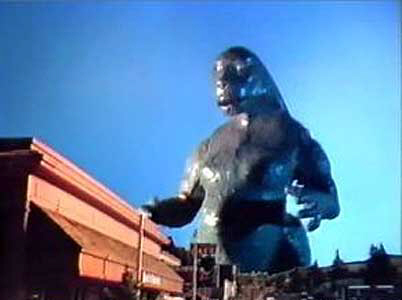
5. Ganjasaurus Rex (Director:  Ursi Reynolds, 1987)
4. Humanoids From The Deep (Director:  Jeff Yonis, 1996)
3. S.S. Experiment Love Camp (Director: Sergio Garrone, 1976)

And sometimes you just watch a lot of junk. You have hope for these films but sometimes you look back at them and regret ever wasting one's lifespan on them. I knew the Naziploitation film S.S. Experiment Love Camp, which I watched wanting to see as many Video Nasties as I could during late 2014 onwards, might've been dreadful but I never expected it to kill off the desire to continue that Video Nasties marathon, something even Toxic Zombies (1980) or Frozen Scream (1979) didn't succeed in doing.

An Italian Bond rip-off, Agente S 03: Operazione Atlantide inexplicably appeared on TCM and I hoped for a fun Euro genre movie, only to find something that failed miserably. I just happened to stumble over Ganjasaurus Rex whilst pressing the Random button on Criticker a few times one year and became obsessed with the title; like so many of them, my obsession with ridiculous titles and premises has led to my downfall of suffering through utter dreck, making Things (1989) look like high art as shot-on-VHS films go. Humanoids From The Deep was an accidental con job for me, thinking I bought the infamous 1980 Roger Corman production about rampaging, sexually incensed fish men only to realise I got the bland made-for-TV remake from the nineties also produced by Corman which stripped out all the content that made the first so controversial. Despite my love of Corman as a person and especially as a director in his own right, he has made some incredibly dubious ideas in terms of quality control especially after the eighties, and while I may have found the first version of Humanoids From The Deep offensive and crap, this nineties TV version doesn't even make sense as a way to make profit.

From http://www.bestforfilm.com/wp-content/uploads/2011/09/Emmanuelle.jpg
2. Emmanuelle (Director: Just Jaeckin, 1974)
In comparison to the previous four however, expectations were optimistic with seeing one of the most well known erotic films in existence and I ended up with a disgusting taste in my mouth. I can feel confident in defending films now which can have potentially dubious gender politics to them, or at least feel less guilt to finding virtues in them, now that I've seen a film here that's a real example of a movie, even if it might've have feminist applause to it once ago, that's misogynistic in its bones. What's gross about Emmanuelle, alongside the fact that its badly made and never feels erotic in the slightest, is that here you can probably see why the sexual revolution of the late sixties and seventies died a death in only ninety minutes. Rather than the politics of pro-sex feminists who want to possess their own pleasures and bodies, or what films like W.R.: Mysteries of the Organism (1971) brought philosophically to the conversation, or what even Jean Rollin horror films sub textually suggested in having sexually open and strong female characters, you have a film all about scuzzy white men who want to re-enact colonialist ideals in Thailand and only want their wives to sleep around for their own pleasures under their thumbs. Sylvia Kristel as the titular character is a child-woman who has to be raped at the end and be taught by a creepy old man to become sexually awakened rather than learn from her own experiences, more problematic when this plot line isn't meant to challenge the viewer as trangressive storytelling but is a matter of fact expectation from the audience watching it. Flatly made, nicking a music cue from King Crimson to piss me off further, a film like this makes me far more comfortable defending directors like Kim Ki-duk who take far more complex and nuanced approaches to these troubling concepts of gender relations and sexuality. Emmanuelle is worth its existence for the sequels and Italian rip-offs, which will all probably be better than it completely, the original work a dated artefact from a decade which produced far more progressive and artistically brilliant erotic films around it.

From http://img.photobucket.com/albums/v67/
Michael24/2012/spawnmovie02.jpg
1. Spawn (Director: Mark A.Z. Dippé, 1997)
Technically Emmanuelle is the worst film I've seen, as I may have seen Spawn as a child, but I am cheating regardless of that being the case since I would've not seen Spawn since I was a child and that, watching it for the first time with adult eyes, Spawn is diabolically bad. Barring the pleasure of Melinda Clarke, especially wearing a tight leather cat suit and chewing the scenery, Spawn was agony to sit through. In comparison Batman & Robin (1998), which I adore knowing it's a car crash, is so much more accomplished in every way compared to this superhero adaptation, a mass of noise and terrible jokes where I wanted to throttle John Leguizamo every time he appeared onscreen in the fat man clown costume. The worst part is how  much it squanders the cast, not only Ms. Clarke, but especially Michael Jai White, who could've been an A-List star with his real martial arts skill and charisma but was probably handicapped by this starring role for the rest of his career. Making it personal for me is that this was the last film of Nicol Williamson too, who played a very eccentric Merlin in one of my favourite films, John Boorman's Excalibur (1981), which makes the film even worse to sit. Emmanuelle might've been the most agonising to sit through for its politics, but Spawn was the only film this year I'd give a 1/10, a rating as rare from myself as rocking horse shit is.


PART 2 COMING SOON