Tuesday, 22 January 2019

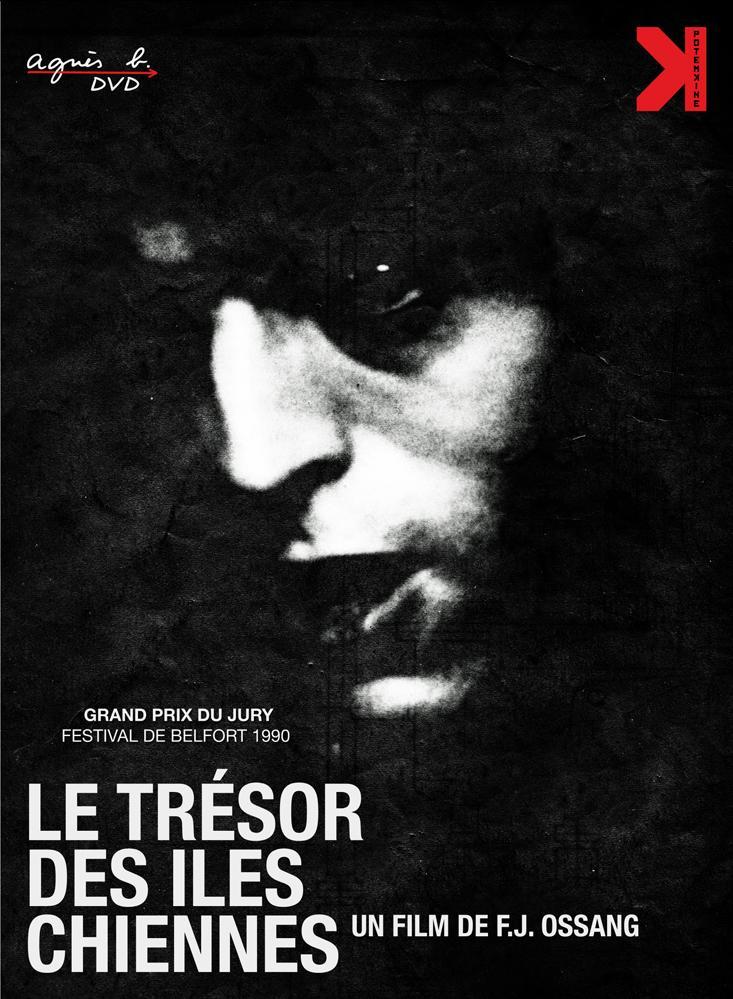
Treasure of Bitch Island (1990)

From https://pics.filmaffinity.com/
Treasure_of_the_Bitch_Islands-677757947-large.jpg


Director: F.J. Ossang
Screenwriter: F.J. Ossang
Cast: Stéphane Ferrara as Ponthans; Diogo Dória as Féodor Aldellio; José Wallenstein as Ulysse; Mapi Galán as Ada Della Cistereia; Lionel Tua as Fabiano; Michel Albertini as Bormane; Serge Avedikian as Le docteur Turc; Clovis Cornillac as Rubio; Patrick Quillier as Directeur Palace; Francisco Baião as Xico

Synopsis: The heir of the consortium Kryo'Corp, Ulysse (José Wallenstein), travels to the only place the substances for a new energy source can be found - the titular Bitch Island. Unfortunately, the island divided between its native tribes and the colonisers with their militarised zones, a cocktail of radiaition and drugs feeds into the downward spiral for Ulysses' team as they scrape against the various machinations.

F.J. Ossang has been a frustrating man to meet. Treasure of Bitch Island is the first to make any impression (as would Doctor Chance (1998)) in my discovery and marathon of his work as much as it makes aware how deeply flawed he is as a director-writer since his 1985 debut The Case of the Morituri Divisions, the musician/poet/filmmaker/ punk Ossang someone who should embody the anarchic nature of that era's independent cinema. Unlike Sogo 'Gakuryû' Ishii from Japan or the Cinema of the Transgression group from the United States, as comparison examples, Ossang also presents the worst stereotypes of pretension by accident. Despite lifting from b-movie genre tropes and his punk background, most of the events in his narratives take place off-screen, not an issue as its clearly his trademark with a sense of letting the viewer's imagination fill in the images spoken of, but its undercut by his tendency to spend the time on bland monologues that last ages rather than the moments in his films filled by pure lurid genre subversion.
From http://www.tasteofcinema.com/wp-content/
uploads/2016/12/01-TheTreasureOfBitchIslands.png

Thus 9 Fingers (2017), about a criminal gang on a cargo ship with a nuclear weapon where paranoia and potential radiation poisoning are making things dangerous, focuses more on existential sounding dialogue that sadly isn't profound or with a sense of nuisance (as say) Jim Jarmusch's genre subversions. Rather than direct interaction with the premise itself, that in all the films I've seen have all been interesting, Ossang for his filmography has fallen into many squandered opportunities due to this: see Dharma Guns (2010), where the idea of a man's last experiences before his death from a jet ski accident is his soul going through a sci-fi paranoia thriller, with gothic tinges, sounding like something Guy Maddin would make only to procrastinate. Or his debut The Case of the Morituri Divisions where there is promise of a literal punk film in its rough production, its VHS text captions and futuristic gladatorial fights only for him to clearly not be invested in the film's premise in the slightest. It's neither "punk" to has this much dialogue in his films either, or really subversive, which is the biggest crippling flaw with his style. I quote someone like Ishii specifically as a film like Burst City (1982), whilst two hours long feeling like adrenalin shots directly into a blood vessel and not just for having actual punk bands playing in the film.

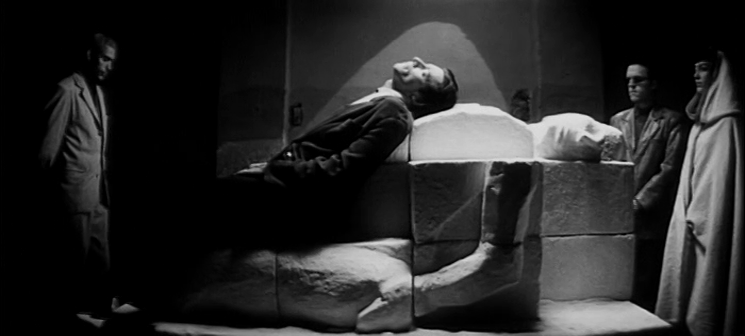
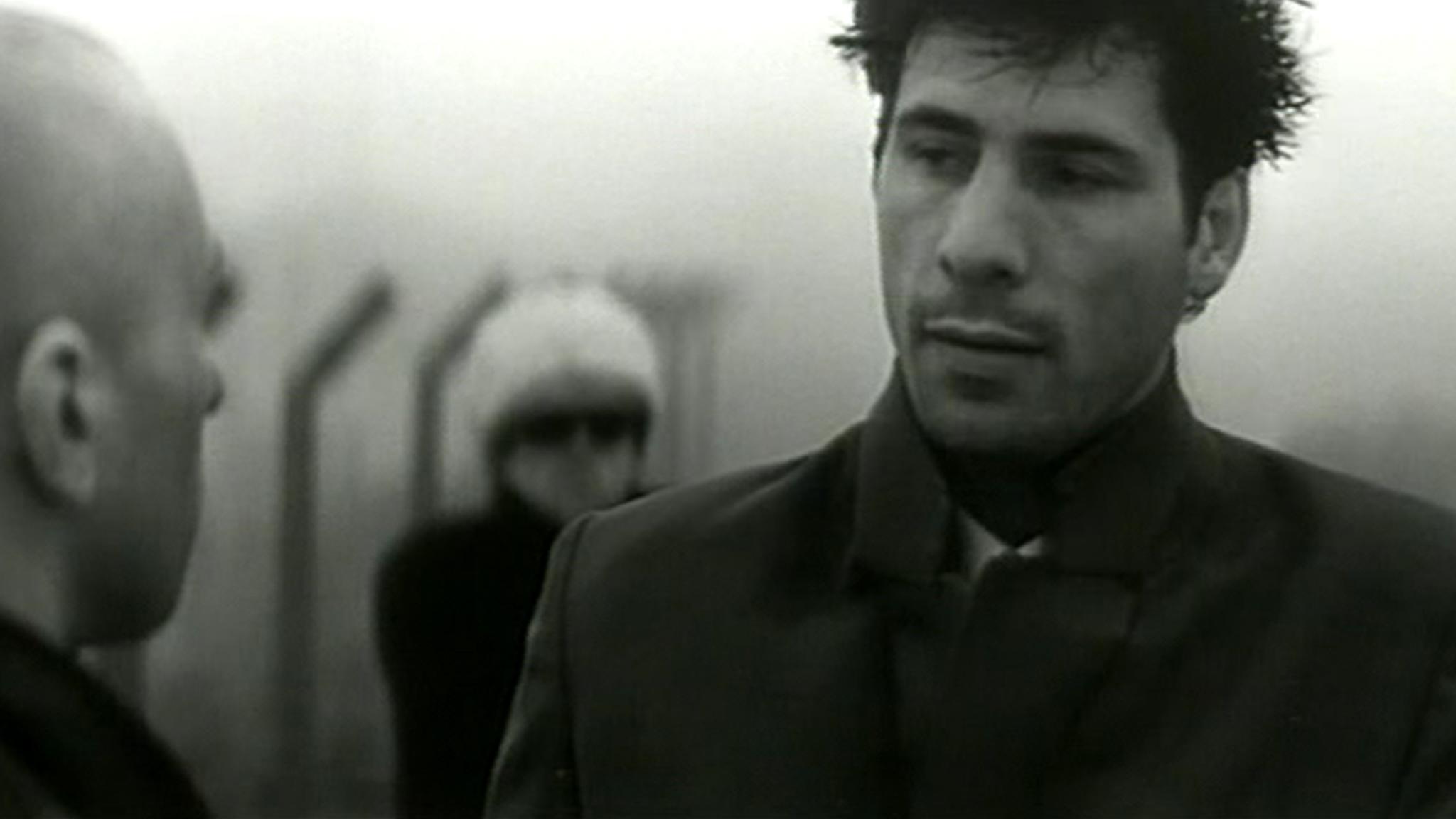
Arguably however his nineties films hit a peak where, for their flaws, he made the films I waited patiently for and have left a mark I will treasure. Bitch Island "somewhat" works and I think it's as much helped, even with Ossang's obstructive style, by the look of the film. Arguable for me is that his older work is far more rewarding than the later ones particularly in their visual palettes, but here he particularly had success, as with Doctor Chance, in terms of the aesthetic style; here Bitch Island has a particularly rancid but stylish monochrome look befitting the world. A place where, inhospitable and made worst by the protagonist's gang being both on drugs and on a doomed mission, it already has an impact; once you get to the titular island through a barb wire covered militarized zone, let alone the vast desert and industrial locations, there's a sense of a living breathing environment despite a lot of Ossang's films, to their detriment usually, being shot in still takes in close-ups, here actually working as the world is built from events only being talked of by implying them rather than depriving the audience of engagement.


Noticeably Ossang's cinematographer here was Darius Khondji, who'd go in to acclaim for David Fincher's Se7en (1995) and in general has an impressive filmography including work with James Gray, Jean-Pierre Jeunet and Marc Caro, and even some idiosyncratic one-offs on his CV like Wong Kar-Wai's sole American film (My Blueberry Nights (2007), Michael Haneke's own remake of Funny Games (2007) and Zidane: A 21st Century Portrait (2006), an attempt in an avant-garde dialogue-less documentary to slow down and examine a football game with Zinedine Zidane as a hyper-sensual experience. Because of Khondji's style, heightened but also able throughout his career to be completely naturalistic too, Ossang is given an advantage as was hiring cinematographer Rémy Chevrin on the atmospherically colourful production of Doctor Chance.

It helps as well that, even in the obtuse style, the story here is at least interesting in what you get too. Baring a hotel with unhelpful staff, Bitch Island is not a safe place; ready to rupture between the natives and the rulers imposing over them, the only poor decision in the premise, and one of poor taste from Ossang, being that the figure the natives worship called the Korean Girl is actually a Caucasian actress. It doesn't completely redeem the film fully, as Ossang's style is, even if going for the theatre of the mind, obstructed by his attempts at romantic nihilism that is one of the worst issues with his screenwriting for me, but Bitch Island particularly as the central group of men get lost in the desert and start to puke and reach death on a mix of despair, their own drug intake and radiation sickness is an evocative scene which in little happening has immense power. Arguably, ironically, it's this tone and the cinematography that adds the edge rather than any of the dialogue spoken, the actors as well gamely losing their minds in-character and carrying the heavy burden unlike many of the other Ossang films which don't have a strand of connection, but because of when the dialogue has more to it in their spiralling madness or the fatalist sense of heroism that eventually overcomes those left.

From https://assets.mubi.com/images/film/33614/image-w856.jpg?1445879977

It does leave me sad that I've had a cold reaction to the director's work beforehand as between Bitch Island and especially Doctor Chance, its tale of (richly coloured) doomed romance in Chile where Joe Strummer is inexplicably there, as just from those two films without any other context Ossang should be a director I love and presume would continue to make films like the nineties productions. Here with Treasure of Bitch Island too I could see myself watching the two nineties productions repeatedly if they were actually available to see. And honestly, as mentioned, if this was the style of film he went with rather than a colder aesthetic style into the 2010s, I'd be surprised that Ossang never had films released even in the USA as - rather than being too stilted for punk cinema, too enamoured with his own voice rather than actually become risky and snotty in attitude - those imaginary films would've been awesome and cult pieces already. Hell, maybe something truly magical would've happened and I'd learn to appreciate the other films in his filmography and even liked them, which would've been even better.

Abstract Spectrum: Psychotronic/Oppressive/Stylish
Abstract Rating (High/Medium/Low/None): None

Personal Opinion:
Treasure of Bitch Island was the first film where I found something within F.J. Ossang, its warts and all actually adding to its personality as the material shone with virtues. It itself would be a film that would test others' patience, but for me it was a bright spot in a director, only discovering, I fear I would merely hate.

From https://67d860664f4b00793cde-967809c7cbb0f14b111df13fc72409e5.ssl.
cf3.rackcdn.com/fiona/editionfilm/48de3364-b427-4f0a-9bba-8155f0d8b64a.jpg

Saturday, 19 January 2019

Female Human Animal (2018)

From https://www.edgehill.ac.uk/events/files/2018/08
/Human-Female-Animal-1920x1080-1024x576.jpg


Director: Josh Appignanesi
Screenplay: Josh Appignanesi and Chloe Aridjis
Cast: Chloe Aridjis as Chloe Aridjis; Marc Hosemann as the Man; Angus Wright as the Publisher; Patrick O'Kane as the Detective; Leonora Carrington as Herself

Synopsis: An author and curator on an exhibition on the surrealist artist Leonara Carrington, Chloe Aridjis (playing herself), encounters a strange yet handsome man (Marc Hosemann). Things do not go to plan.

It's not worth elaborating on a prologue when I openly found Female Human Animal completely missing the point of the subject. Surrealism is arguably my first ever obsession, even before cinema, finding books on the subject in my secondary school library at between the age of eleven to thirteen, developing from my adolescence a greater awe and influence from the movement even in my daily life in how I think about the world around myself. In hindsight to this, the film is the sort that would be dismissed outright by surrealist artists from the era themselves, and that's a tragedy as Leonora Carrington as a painter and author is, from the few pieces I know, someone who should have a greater reputation within the movement. More so as, reading a lot in my obsession, I'm fully aware for all their virtues the original French Surrealist movement were unfortunately chauvinist and sexist too. They had flaws and gender politics is such a case, even beyond the questions of how they festished and found danger in the female body but even how they treated their own like Germaine Dulac, director of The Seashell and the Clergyman (1928) which infamously had a cold reception from even her fellow surrealist artists. The boy's club has slowly been chipped away as the women who were also surrealists or even muses have been proven to be as exceptional as their male counterparts, more so now as Surrealism is as viewed for its various movements globally as it is the original French movement, and a film about Carrington would've been wonderful to see if it had succeeded.

Sadly, Female Human Animal is a case of an utterly intriguing hybrid which should have succeeded in showing the world of Carrington, even if it completely steps away from her motifs and tried its own curious ideas with merely her ideas on display. A study of Carrington's work, including not only scholar Chloe Aridjis playing herself but archive footage of Carrington being interview used as a voice of goddess over the proceedings as well; a psycho drama, in which a potentially dangerous dark eyed handsome stranger appears in Aridjis' life as her world in general becomes strange; and, noticeably, shot on VHS tape, a really peculiar stylistic choice that not only reminds you how much detail is lost in videotape, fuzzy as hell as it swallows clear outlines and detail, but was the most intriguing detail about Female Human Animal for myself viewing it.

From https://thefword.org.uk/content/uploads/2018/10/Screen-Shot-
2018-10-18-at-14.32.33-e1539869828189-759x500.png

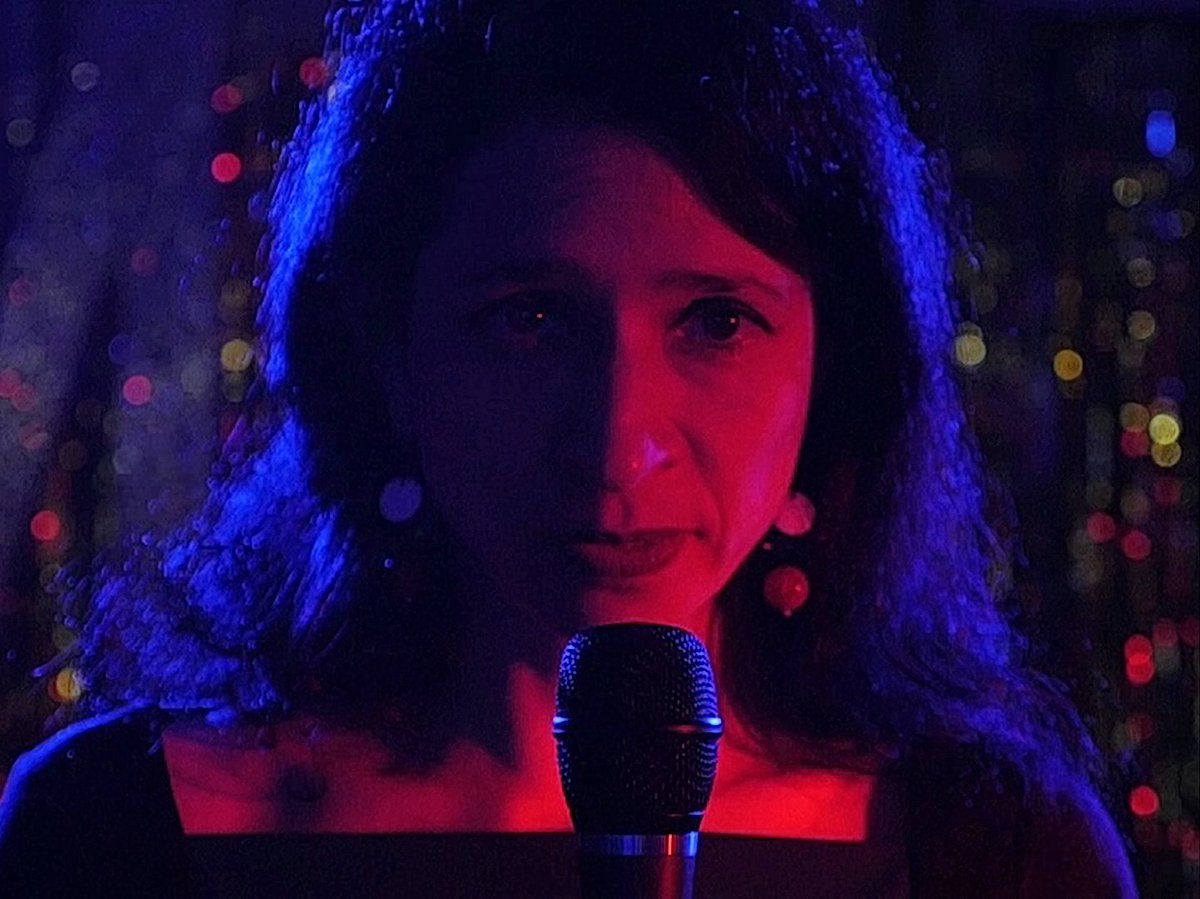
The truth of the matter is, whilst it has its moments, the film is slight. It also has the unfortunate effect of presenting the art world and English metropolis as pretentious and utterly tedious, way too good at doing so to begin our protagonist's sense of disenchantment but never adding a sense of greater depth, coupled by never feeling like a truly in-depth interpretation of Carrington's work. Her work (understandably) could only be recreated uncensored for cinema as animation, but the lo-fo attempt has motifs (Aridjis' in-film cat, the creepy father who can predict the weather over the phone) which briefly exhibit a tantalising surrealist edge. The VHS look, set among ordinary Liverpool environments, presents an additional advantage of its murkiness, how bright coloured artificial lights bleed onscreen or a warehouse becomes ominous in the shadows. However, it never feels like a true tribute to Carrington's subversion.

Instead, it becomes a very clichéd, trite psychodrama about a sociopath stalking Chloe Aridjis that (ironically) exhibits the worst aspects usually found in no-budget genre cinema of telling rote versions of stories from larger budgeted films, never being inventive as it forcibly tells a predictable story instead. It never feels subversive, which is the biggest sin and there's an uncomfortable sense of exploitative especially as, voicing the figure providing themes on love and sexuality, the slight and malnourished story doesn't justify the interview footage of Carrington at all. The only really interesting thing is Marc Hosemann's strangely magnetic performance as someone clearly off from the get-go, but has enough charisma that, in one of the few interesting plot dynamics, Aridjis can willingly let herself be brought into a relationship clearly dangerous when her life is bland beforehand and he intrigues her by literally invading her environment.

Another surprise is how bland the film is in terms of premise and content, and it amazes me I can actually cross reference Female Human Animal to the type of shot-of-video genre films of yore that are usually dismissed as garbage or even unheard of by the type of publications that will cover Female Human Animal. These films, loved by fans like myself, are openly known for being technically deficient in most cases and needing to be approached with an understanding of their immense failures, but are celebrated for their unintentional moods of delirium.

From https://frieze.com/sites/default/files/female_human_animal_online_7.jpg

FHA
, despite being shot on video too and trying to evoke an uneasy weirdness, does place its head on the guillotine with such films rarely given critical praise like Boardinghouse (1982) would completely overshadow it completely in terms of truly surreal sense of  mood. The surrealists did watch "bad" cinema in their heyday but the goal, in one of the most meaningful things I read on them in terms of my own cinephilia, was never for irony but the result of finding the marvellous even in technical failure, the unnatural edge which a film like the infamous Canadian production Things (1989) would've rewarded someone like Salvador Dali tenfold. In contrast FHA is sedate, a deliberately put together production with no sense of the unearthly, transgressive, feminist or interesting within itself, feeling more like a tedious erotic thriller in premise.

The only real surprise is an ending credits sequence of boxes being wrapped up, following the motifs of plastic bags and suffocating cellophane throughout the production, one of the only remotely "odd" moments in the entire film.

Abstract Spectrum: Lo-Fi/Weird
Abstract Spectrum (High/Medium/Low/None): None

Personal Opinion:
Female Human Animal is a neutered, sanitised take on surrealism in spite of the worthy figure it idolises in Carrington and its intriguing production style. It's a film which has many different aspects but masters none of them as it is spread out too dully.


From https://pbs.twimg.com/media/DcsfWdkXUAANCw-.jpg

Monday, 14 January 2019

Régime sans pain (1985)

From https://www.scaruffi.com/director/ruiz/ruiz117.jpg


Director: Raul Ruiz
Screenplay: Raul Ruiz
Cast: Anne Alvaro as Alouette; Olivier Angèle as Jason/William III; Gérard Maimone as Professeur Pie

Synopsis: In a dystopian future, the former leader of the surviving world named William III (Olivier Angèle) has his memory wiped. Convinced by a female fan of the former leader named Alouette  (Anne Alvaro) to reconsider this decision however, she and the scientist behind the wipe named Professeur Pie (Gérard Maimone) train him to join the contest to become William IV and lead the world again.

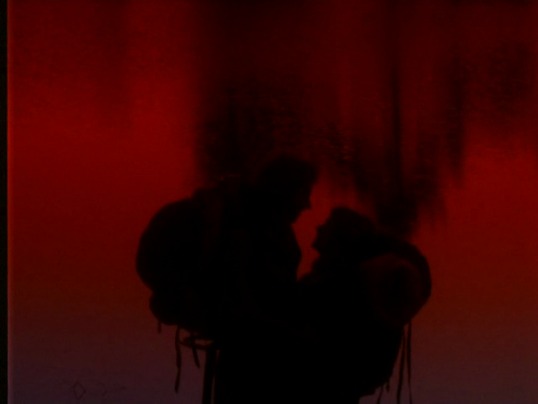
Even for Raul Ruiz's career, Régime sans pain is weird; it was originally a planned music video for French musical duo Angel & Maimone that became this feature. Whether the case or not, it feels like Ruiz shot a whole batch of music videos for the duo which were linked together into a feature: one where the political power is won by a popularity contest, the Church teaches the sacred song but only allows parrots in the convert nowadays, and part of William III's phoenix like resurrection into William IV involving finding the right clothes, even if it's on a dying man in a burning car.

From https://i.ytimg.com/vi/ZKrDgJ3Dcxs/hqdefault.jpg

Régime sans
pain is definitely a wacky production from Ruiz, more significantly as this is knee deep into the eighties, his mere eclectic and vibrant period between countries, projects and formats at their most extreme. This is certainly, out of those I've seen, of its era in a good way as he embraced Angel & Maimone's synth songs and a lo-fi futuristic aesthetic. This is, openly rather than implied, the only sci-fi film in Ruiz's career too, a perplexing world which is a subdued and almost ramshackle universe, between the desolate urban streets and the powerful high class elite, is contrasted by Ruiz openly embracing a pop art absurdity that even Lady Gaga's music videos seem conventional in comparison. There's an idea which thankfully keeps it all tied together well as an extended music video and a fully fledged film - that William III has every part of him wiped away (even his in-head credit cards) only to be offered a chance to become a new man, the next ruler William IV, a contest where he must become popular to the people by being less an active figure head but an idol, hence why finding his singing voice again is an excuse to use Olivier Angèle's singing but is written with having a purpose.

And when allowed to use the dreamlike logic of music videos, Ruiz gets incredibly strange, the dialogue becoming increasingly blurred in the illogical whilst the emphasis on stark colour aesthetic from his other eighties productions stands out more here due to its originals. Even as Gérard Maimone gets into a fencing duel with a morgue coroner over a dead man's clothes, this fits into the Ruzian patchwork of before and after in the director's career, the only distinction being Ruiz's most time stamped fit, not a bad thing if you want to have eighties aesthetic stretched and bent under the Chilean director's camera. Also as a tale of a figure becoming a new man, Olivier Angèle playing the naive yet charismatic blank to be rebuilt, scenes merely take ideas Ruiz would've had in another context but filtered through science fiction here, like a brothel where the female sex workers (rather than ghosts in another of his films) are holograms. It even hits an emotional point as, becoming a man again, William takes a decision which squanders his chances but is the more altruistic path, even if it doesn't conclude as such in an ironically convoluted way.

From https://www.scaruffi.com/director/ruiz/ruiz118.jpg

And the music itself, the music video sequences themselves, are interesting: good music but appropriately batty in what you witness visually, especially the extended scene in a building part of the hospital where you can claim the clothing of the dead as your own, Angèle going through clothes taken from the recently deceased in a blackened space choked in racks. The music itself is appropriate for Ruiz's world as, whilst Angel & Maimone's work is a laid back synth pop, Olivier Angèle's own use of English and French is apt for a filmmaker who confuses and obscures, his co-opting of a somewhat artsy and obscurer musical duo, clearly willing to be involved, feeling like a very clever decision on Ruiz's part. That and Angèle's partner in crime Gérard Maimone being a very cinematic actor in his own right in beard and with his deep voice. Together, they have arguably the best of results to their advantage too as, whilst I unfortunately never knew of them until seeing this film, they do come off as an interesting musical duo whose willingness to be in this production by a legendary cultish director gives them a lot of respect in itself.

Abstract Spectrum: Eccentric/Eighties/Music Video Logic/Weird
Abstract Rating (High/Medium/Low/None): Medium

Personal Opinion:
Even a 'minor' Raul Ruiz production like this is one to peak your attention. The eighties was a very productive and eclectic era where he worked on a dance/ballet film (Mammame (1986)) to a TV mini-series (Manoel on the Island of Marvels (1985)), so a music video that became a picture was an apt investment. It's a unique piece in his career - his sole hardcore sci-fi tale - and definitely as mad as a box of frogs just from what I have described. It's also absolutely worth being preserved and restored again, especially as whilst a dreamy VHS rip with Japanese hard copy subtitles suits the strangeness, Ruiz's rich aesthetic style even on a low budget deserves a clearer image, ever a director undermined by the prolific nature of his career and how obscurity and copyright is inevitably going to be a pain to see a film like Régime sans pain (1985) as intended.

From https://www.scaruffi.com/director/ruiz/ruiz124.jpg

Thursday, 27 December 2018

The Territory (1981)

From http://image.tmdb.org/t/p/w500
/nIf2rWaWsS99TS1yt1crewHC1P7.jpg


Director: Raul Ruiz
Screenplay: Gilbert Adair and Raul Ruiz
Cast: Geoffrey Carey as Peter; John Paul Getty III as Ron the guide; Jeffrey Kime as Jim; Camila Mora-Scheihing as Annie; Rebecca Pauly as Barbara; Ethan Stone as Ron; Isabelle Weingarten as Françoise; Shila Turna as Linda; José Nascimento as Joe

[Some Spoilers Throughout]

Synopsis: Going to the French woodlands for a walking expedition, a group of American tourists find themselves lost. Time passes and, desperate, they start to resort to cannibalism.

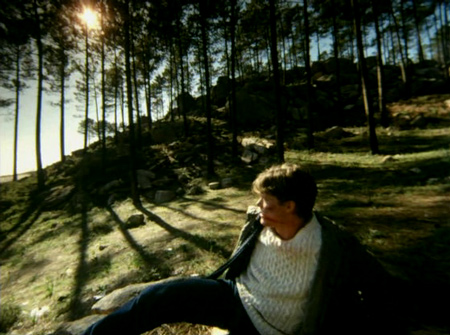
The Territory, despite being set in France when a group of Americans, two children (one male and one female) and a French woman are stuck in the woods and can seemingly not escape, is a Portuguese co-production shot in Portuguese woodland, an apt metaphor for Raul Ruiz's career especially when you enter his feverish eighties era. That and all the strange little details surrounding said film in production that feels like one of his films itself - Roger Corman having a brief and vague financial involvement, John Paul Getty III (infamously the member of the Getty family who was kidnapped as a young boy) as a cast member, and Wim Wenders "borrowing" (depending on who you ask) cast members for The State of Things (1982) mid production of The Territory.

It's from an era of puzzles, half drawn concepts, music videos inexplicably turning into full sci-fi features and a true labyrinth just in acquiring and seeing it all. Funnily enough, in lieu of this context The Territory is straight forward as a film by itself, if Luis Buñuel hadn't realised only after making The Exterminating Angel (1962) he could've ended it with the guests resorting to cannibalism to survive. Ruiz, an entirely different island of cinema completely to Buñuel, stretches out this inevitable conclusion but has little interest in bourgeois satire but as if a dark joke about the decline of mankind's general manners in general, all in the midst of his take on a horror movie.

From http://rowereviews.weebly.com/uploads
/1/2/3/2/12321416/2466945.jpg?540

In woodland that they cannot leave, the urbanites cannot escape their pettiness as much as they completely disregard their environment as they trample over the grassy undertow, Ruiz's inner cartographer seen as, if the most obvious of warnings, the woodland heritage site itself is in the shape of a human head. The further joke is that civilisation is constantly nearby despite them becoming lost for weeks and longer - the nearby road, the two older French men dining by a damn, the authorities finding the survivors with ease - as if their trapped vortex in said forest is a subconscious one. One where the only constant is a "Kilroy was here" marked on a tree's side, a case of pop culture referencing or Raul Ruiz being an unexpected fan of Styx.

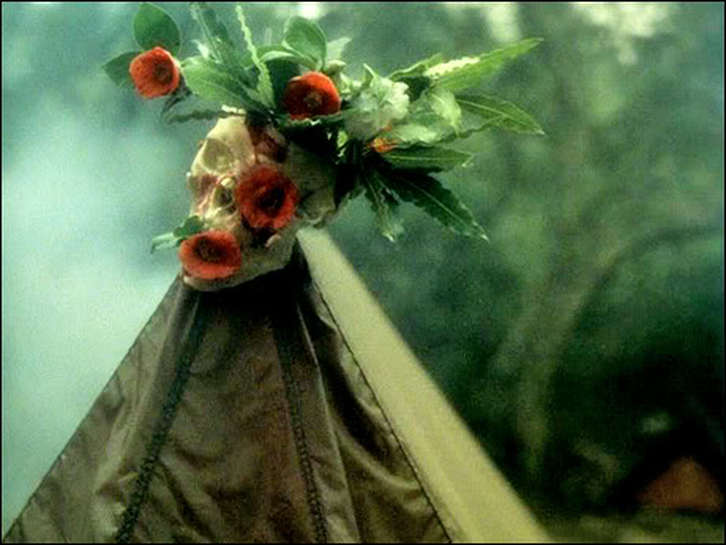
Much can be made of the act of cannibalism being deliberately staged as the Eucharist - flesh is literal flesh - but unlike Darren Aronofsky blundering into insulting metaphorical comparisons in mother! (2017) on said subject, the bigger satire on display in The Territory is once cannibalism is an excepted means of nourishment, everyone left plays out a home of communal bliss in the middle of nowhere with skulls decorating around the tents and a form of Stockholm Syndrome where it's not seen as polite to not eat the meat. Only the influence of the young boy and his French speaking mother, offer the last vestige of civilisation, changes this in the end alongside a mystical idiot savant who appears later on, repeating everything spoken to him and merely a background character for a long period of time. Even once civilisation is found again, it leads to a more cynical comment that one can get a celebrity interview or two from it, and the saner person (still guilty of murder) returns back to those woods again out of longing for it.

From https://bmtr.files.wordpress.com/2012/02/ruiz1.jpg?w=450&h=335

So, just from the descriptions, a hazy dream and this was the tone for Ruiz during his legendary eighties output, a period where he worked so much and became as prolific then alone to match Godard, Miike and Jess Franco for production, a specific decade of his career special in itself for Ruiz disciples even against the rest of his output. It's also unfortunately an underserved period where old VHS tape rips online are inevitable, a man famous for his stark use of bright coloured lighting and atmosphere even for his lowest budgeted sketches from the era not helped by the handicap of licensing or lack of access to getting proper restorations to these films. This era is seen as the most delirious of the Chilean director's entire career, the cultish of it all but, unfortunately, to match that aura you're stuck with an underserved filmography too.

However through a flicker of muddy pixalisation and much welcomed fan subtitles, the most narratively straight-ahead of his career still emphasises how idiosyncratic his style was. Unfortunately, in VHS rip form, one of the biggest comparisons to Orson Welles' and his interest deep focus shot scenes is harder to gauge in the oneiric fuzz, but in a film that plays out with cast mostly in the woods it's nonetheless soaked in a detailed atmosphere. Arguably The Territory can be openly simplistic in its narrative progression, the wait until the food supplies run out and someone gets an infection on their leg leading to a conclusion a long one, but it still succeeds because that endless woodland canopy and his heightened aesthetic is meant to pill you into a stupor with a sickly sense of dread.

From http://deeperintomovies.net/journal/image14/territory2.jpg

Because of all these factors, The Territory is a perfect entry point into Raul Ruiz's career but paradoxically isn't, another appropriately Ruizian state close to asking whether a glass is both half empty and half full because arguably the more difficult and stranger films of this era like City of Pirates (1984) are closer to his trademark but takes a brave plunge into the deep end of the water or a prologue beforehand to consider watching such a production. So that also makes The Territory (a work never anything but his own work too) appropriately a beginner's viewing choice if not the entire spectrum of one of his eras, let alone any other.

Abstract Spectrum: Eerie/Grotesque/Weird
Abstract Rating (High/Medium/Low/None): None

Personal Opinion:
Calling The Territory unique is a little ridiculous when Raul Ruiz's entire filmography is that unique over many productions, so instead the better choice of words is one of his fascinating travels into what he called a "b movie", one with a morbidness to the proceedings which takes it time to seep in but once it appears keeps you engaged.


From http://rowereviews.weebly.com
/uploads/1/2/3/2/12321416/6234053.jpg?727

Sunday, 16 December 2018

The Wolf House (2018)

From https://usercontent1.hubstatic.com/
14226322_f520.jpg


Directors: Joaquín Cociña and Cristóbal León
Screenplay: Alejandra Moffat, Joaquín Cociña and Cristóbal León
Cast: Amalia Kassai as María; Rainer Krause as the Wolf

Synopsis: Presented as a propaganda film of "the Colony", this stop motion story presents a fairy tale of a girl who flees the commune only for her to learn of the error of her ways when, is closing herself in an abandoned house and helping two pigs become human, they start to turn on her.

[Major Spoiler Warnings]
[Trigger Warnings]

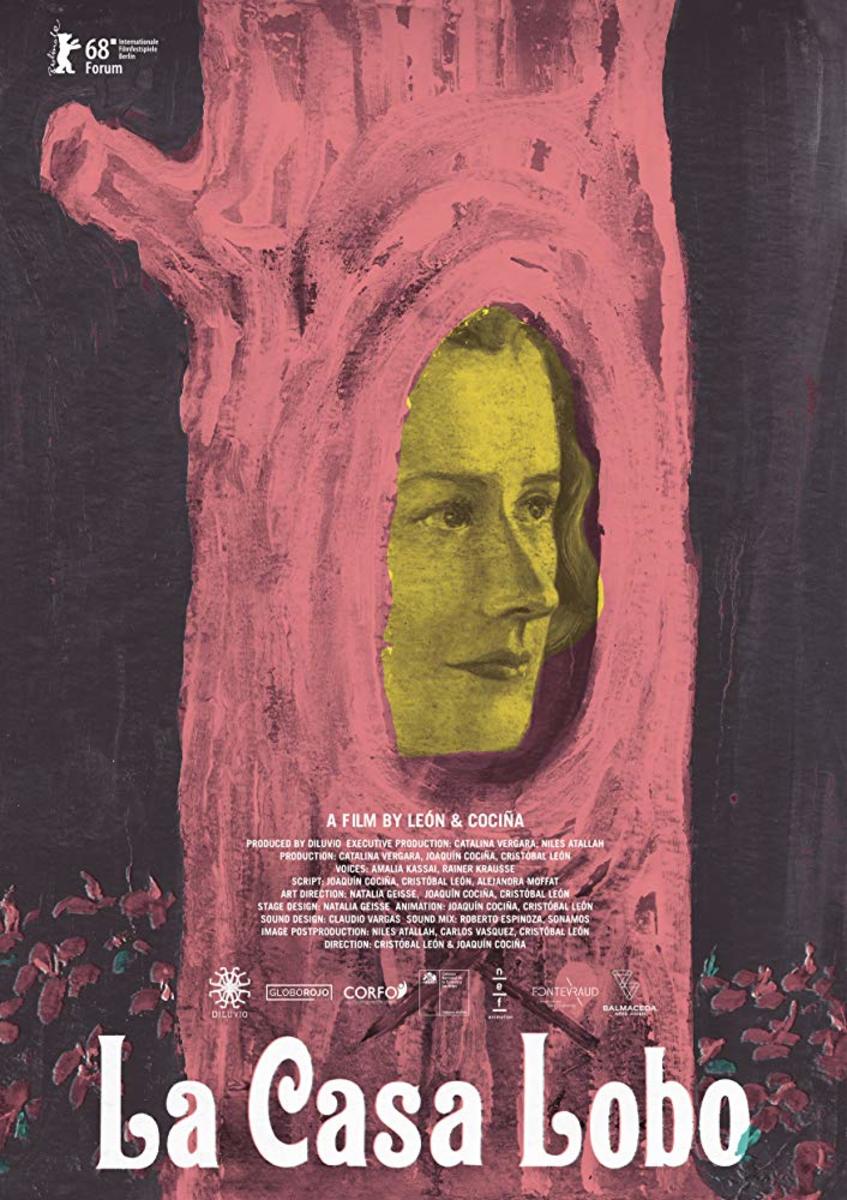
The Wolf House, the co-creation of Joaquín Cociña and Cristóbal León with script collaboration by Alejandra Moffat, does have a historical context which might be missed if only established in the presentation. Many Nazis, after World War II, fled to South America, the discomforting parallels in symbolism found through the film's world. The Wolf House also evokes another historical context that is Colonia Dignidad, an infamous real life commune in Chile that, under the figure of German exile Paul Schäfer, was not only tied to the rise of the Pinochet dictatorship within the country and Nazi war criminals but was a place of abuse, child molestation and various horrifying actions that Schäfer was only arrested for 2005 after fleeing authorities in 1997.

From https://d2u3kfwd92fzu7.cloudfront.net/
catalog/artwork/gallery/2859/casalobo10.jpg

Even without this full context, The Wolf House's prologue immediately puts you on edge, the directors' willingly playing along as fictional collaborators on a restoration of one of the "Colony's" propaganda films as the voice over (the film juggling German and Spanish) is entirely bias to the commune and against any slander to its reputation, a disarmingly creepy children's chorus in the score like the ghosts of the dead.

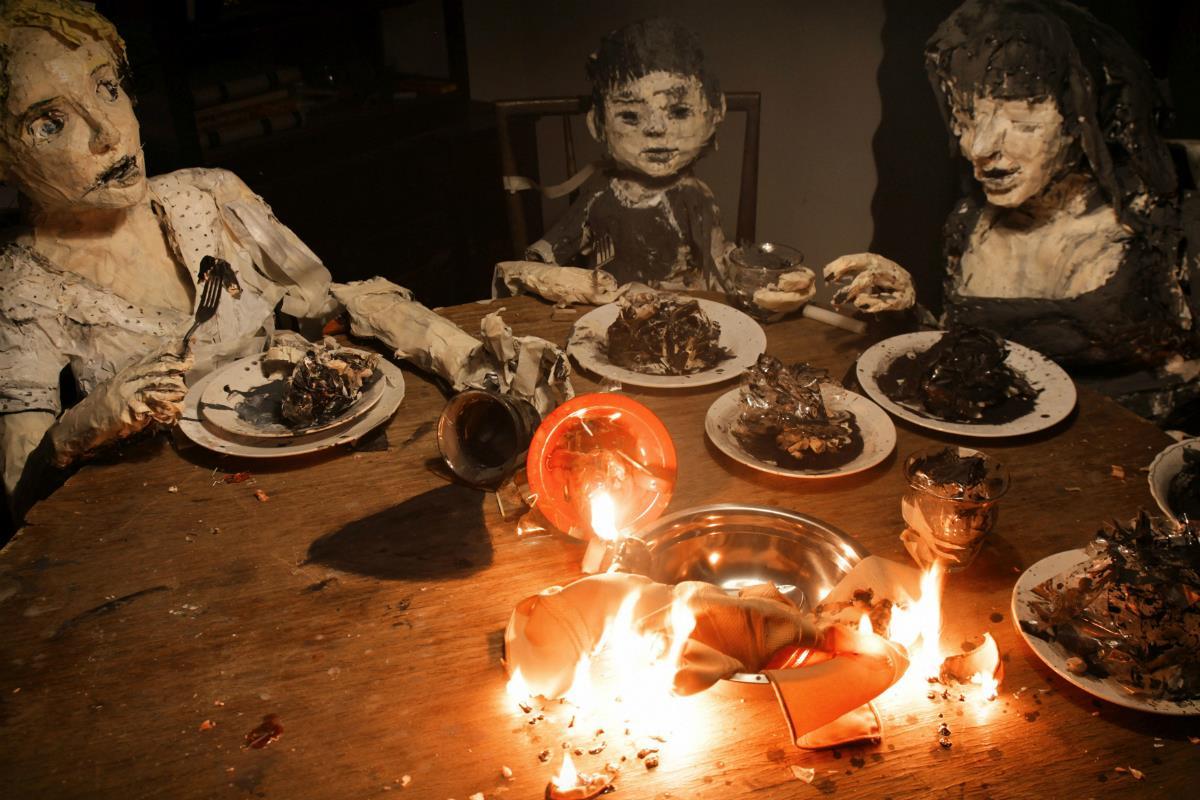
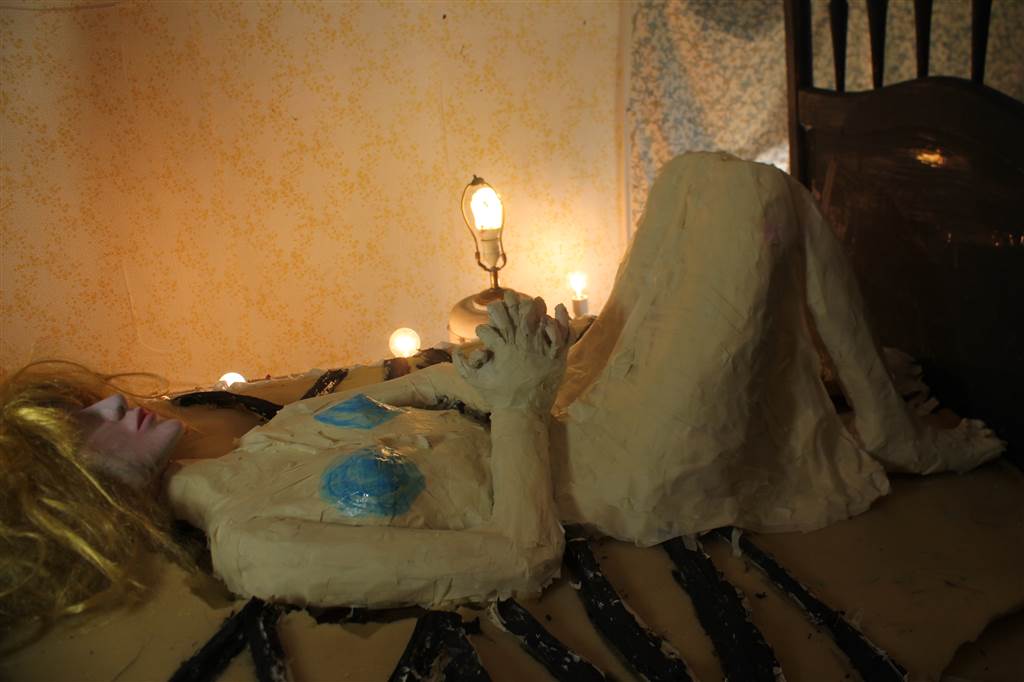
Even without the real, horrifying history context the exploration of this dark and potentially unknown history to the outside world from Chile means the creators already set up, using archive footage of idyllic country life with blond haired children and honey as the images, the perfect tone to set up a dank underbelly that presides over all the images without become overbearing. And The Wolf House, part of a tradition of stop motion animation, can proudly stand out among the likes of Jan Svankmajer and the Quay Brothers as a truly radical, painstakingly executed animation with hard earned artistry, in which Cociña and León to best describe the style starts in bookends with chalk drawn animation when the protagonist Maria (voiced by Amalia Kassai) flees the Colony and enters the titular house, only for the place to be a living and breathing animation itself. As a wolf stalks outside (speaking in German) becomes the sinister menace of the Colony in his sense of superiority and an underlying sexual nature to his comments of his beloved "little bird", the animation inside the home takes place in one giant set which is constantly built and deconstructed, the tape used to keep paper-mâché figures up and in poses sometimes visible, all whilst the film openly records as much the work to construct and tear down each sequence as part of scene transitions as it is the story. Some of the animation as well is painted on the walls and floors, to be erased after in such a way. The jerky motion of all is something that adds to the sense of ill-ease alongside the uncanny nature of the entire artificiality living world.

From https://d1nslcd7m2225b.cloudfront.net/Pictures/2000x2000fit/
9%2F8%2F2%2F1279982_thewolfhouse_199817.jpg

It is the equivalent of taken an abandoned building, and using the content of its garage and second hand furniture to make a film, a lot of paper-mâché and paint used for the production. I view all cinema, with this in mind, as hard work worth praising, even if it can be utterly wasted on bad films, but animation or work that visibly looked like hard work is to be more admired for its laborious, difficult craft especially as it has an innate tactility that is inherently (yet ignored) in the medium of cinema especially now in the digital camera age. It fits the material in terms of story here too as Maria finds two pigs and encourages them to transform into human beings, the characters both existing as figures but also painted only the walls and floors, sometimes using props like picture frames to depict them in extreme close-up. It's inherently skittish and fragmented as a film scene per scene, the animation as mentioned already creepy before you see it move in this fragmented movement.

Following Svankmajer's skill of animating life in an everyday objects, whilst The Wolf House doesn't follow the Czech animator's transgressive details like animating actual meat does have the same nightmarish quality to the material which plays into the story they are used for. The film reaches a moment of idealism for Maria and her pig children, briefly reaching a respite, but even before the Wolf's mocking affection is unnerving and one witnesses sights like pigs with human hands for feet or a papier-mâché boy on a toilet being terrorised and covered in bugs. After, as food is becoming scare and the pig children decide to eat Maria, the film without any direct transgression, aside when the children are accidentally burned by a candle falling on the table cloth and having to recover from their injuries, is riddled in a darkened fairytale mood.

From https://fantasticfest-site.s3.amazonaws.com/films/42331/
wolf_house_15_4web__large.jpg

The back story of what The Wolf House is eluding, if known, makes it more unsettling. The children, beginning as pigs, become children with dark features only for honey, the produce famous from the Colony, turns them into angelic children with blonde hair and blue eyes. The wolf, symbolically evokes Nationalist use of pagan symbols, and its entire bias to the wolf saving Maria in the end after she regrets rebelling against the Colony whilst in lieu to the film being a fake propaganda work is even more disturbing when her monologues clearly evoke hints of abuse, even sexually, and being forced into a collective beforehand. The animation's beauty doesn't stop its coarse and textual style from adding to all of this subtext and, with this in mind, I will be cautious in terms of recommending the film due to how disturbing it is to see. Nonetheless, it's an incredible piece of art that, if you are prepared for that challenging nature, is worthy to witness.

Abstract Spectrum: Handmade/Insidious/Lo-Fi/Nightmarish
Abstract Rating (High/Medium/Low/None): High

Personal Opinion
As a film premiering in 2018, The Wolf House deserves to be seen as an incredible cinematic achievement, more worthy of attention than more publicised films. Whether, baring temporary screening on MUBI, a film this important can avoid being lost in the film festival circuit may be as much entirely helped by a tiny little blog like this bring attention to this fascinating, artistically rewarding animation as much as a proper film critic. In terms of animation as a medium, Joaquín Cociña and Cristóbal León have already shown a unique style in-between them that deserves to be explored further in short and long form filmmaking.


From http://etiudaandanima.pl/wp-content/uploads/2018/11/Dom-wilka.jpg

Wednesday, 21 November 2018

Automatic at Sea (2016)

From https://images-na.ssl-images-amazon.com/
images/I/812UjGZWkhL._RI_.jpg


Director: Matthew Lessner
Screenplay: Matthew Lessner
Cast: Breeda Wool as Grace; David Henry Gerson as Peter; Livia Hiselius as Eve; Evan Louison as Miguel; Malia Scharf as Claudia

Synopsis: Swedish emigrant Eve (Livia Hiselius) is invited by an American man named Peter (David Henry Gerson) to a party at his house on a private family island, only for her to be isolated there and one other person, a woman named Grace (Breeda Wool), to appear who warns her of him. Soon reality becomes a fickle thing for Eve from then on.

[Spoilers Throughout]

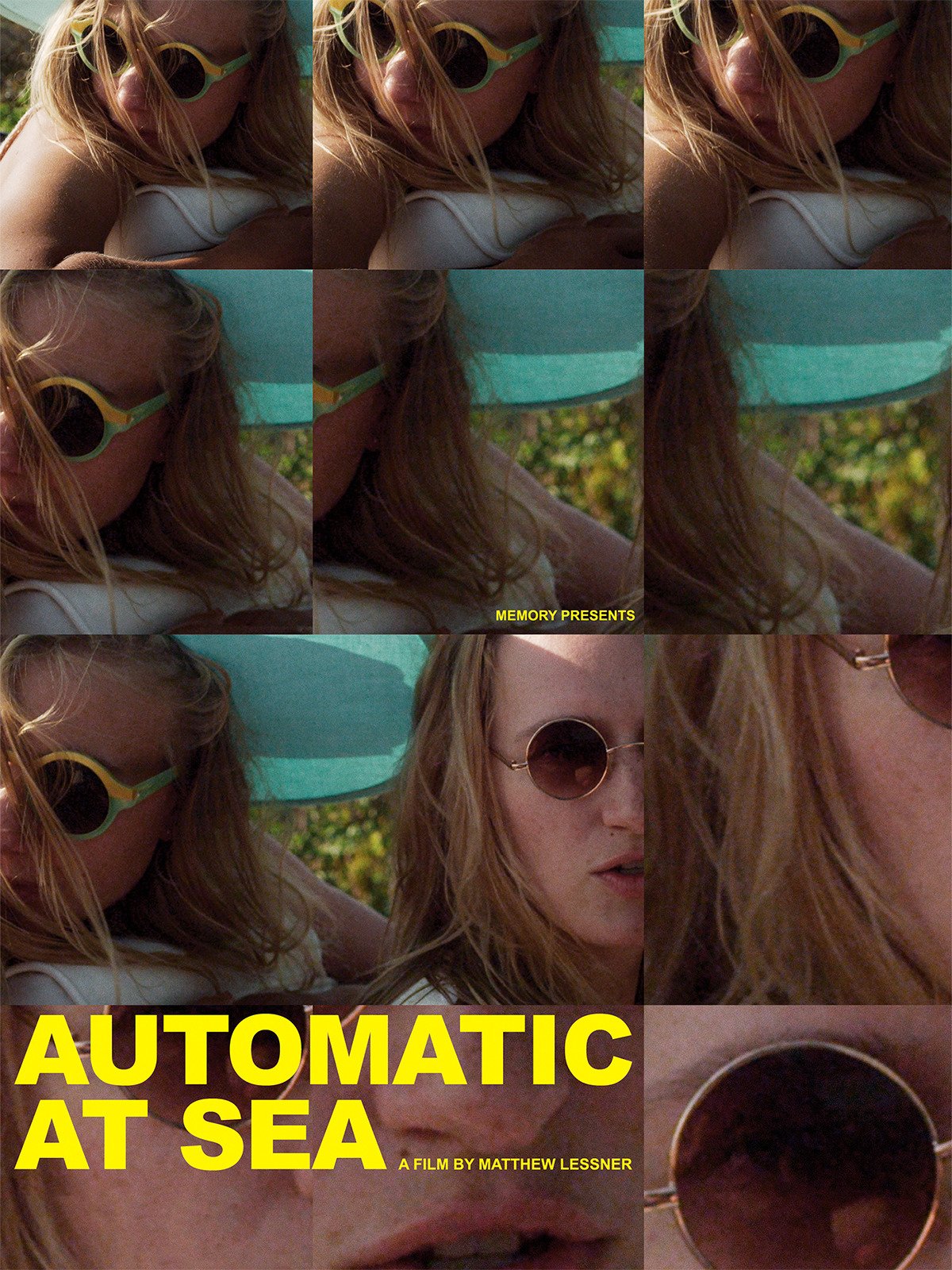
Automatic at Sea is a curious film. Legitimately off as an experience, by the final thirty minutes this film even took me aback by how peculiar Matthew Lessner's creation is, subjective in its punctures of oddness next to tropes carried on from a known sub genre of unconventional cinema. The film willingly sticks its head through the open window of absurdity when you presume it to be a follow-on in the history of subjective reality stories of a woman whose psychological stability is to question, not taking a risk of getting stuck in said metaphorical window and coming off as pretentious and/or silly, but feeling like a unique take which is as much a pastiche of those films as it is its own version. Whilst many of these films from this sub-genre are masterpieces - from Bergman's Persona (1966) to Polanski's Repulsion (1965) - it's unfortunate almost all of them are directed by men. Obviously Automatic at Sea is a film made by a man, and it has no direct feminist critique of the material, but when it leads to Eve literally as her own spectator, and slips into deliberately absurd and bizarre moments like nocturnal secret food eating, Lessner to his credit is prodding the potentially gender imbalance subject with a healthy disregard. The entire film is closer to the tip of parody, both deliberately but also to a dangerous degree where it'll lose its impact, but succeeds in the stunt immensely.

It was the moment David Henry Gerson, already playing the character of Peter as a very charismatic but creepy individual, softly spoken but effectively trapping the protagonist Eve  on his personal island, cosplays as Torgo from Manos: The Hands of Fate (1966) whilst mowing the lawn, the kind of moment even when he's already been behaving weirdly as a character even as a diehard connoisseur of strange cinema like myself had to sit back and be amazed I could still be dumbfounded by moments like this in films. It feels deliberate throughout that, as part of Lessner's tone, he's including such moments, and that sense of silliness is as much a unique attribute to Automatic at Sea and why it succeeds. Credit has to go to the cast for being able to pull this off, especially Gerson who has to commit to all the strangest moments, his character the figure who personifies the madness within the island. Starting off as a potential sociopath in a realistically paced story, his performance matches the tonal shift of the product where he bends to the film's stranger moments, talking to his mother when there's no one in the chair the other side of the table, or going into his barn and masturbating against a peddle bicycle, which I am amazed I am even typing as a sentence...suffice to say, you don't start Automatic at Sea believing any of this would happen, feeling like a standard high quality 2010s mindbender, only to eventually dance around with bizarre moments it somehow gets away with.

From https://i.ytimg.com/vi/tnX7XG3-PIs/maxresdefault.jpg

Patience to get to this final act becomes part of the story as, trapped on the island with Peter, constantly promising guests will eventually arrive, Eve is bored out of her mind with only board games to occupy herself until Grace appears, cuddling up to Peter but openly warning Eve of him. The film plays with this sense of waiting and tedium with its long take scenes, slowly moving along until many of the events chronicled before appear, at first with a sense of dread but many of them as shown having an inherently absurd quality to them This proves true - even in the subjective tone of the world, that her own psychological state is being undermined, it comes obvious to Eve and the viewer in one scene that Peter is a literal Satyr-like trickster who will appear and disappear if need be, forcing her to live in his world as a bored captive who cannot be escaped. Why he does so is never explained but this itself becomes part of another aspect of Automatic at Sea about questioning its own tropes, where as Eve scrutinises her own view of the events that transpire, she eventually to escape the bonds on the island has to literally look at herself, a perplexing journey that is found within a distinct aesthetic.

Bookmarked in chapters whose intertitles are a cross between woodland animal drawings and Hygge, Automatic at Sea at least stands out from similar films from the get-go. The synth score, by Jeff Witscher, is similar audibly to many others of its ilk but rarely do these scores feel tiresome; whilst there is a danger of them becoming tedious, the modern synth boom in music scores is as much because its appropriately atmospheric for a film like Automatic at Sea, evoking the lingering sense of strangeness that builds throughout. Even with the likelihood the synthesizer nostalgia will eventually reach a breaking point and stopped being used, Witscher's score is a dreamy electronic one which will win you over anyway. The sense of eccentricity is pervasive even in contrasting the naturalistic style of the film with its moments of tweeness in the chapter titles and weirdness in the plot. Alongside the elliptical editing and plotting, events like secret toast eating out of context but part of the world, it adds a great deal to the curious experience of Automatic at Sea.

Abstract Spectrum: Dreamlike/Elliptical/Mindbender/Weird
Abstract Rating (High/Medium/Low/None): Low

Personal Opinion:
Much more a slow burn little gem, a curiosity that for me could only be made in the 2010s despite visibly taking inspiration from similar films of yore - much of this because, without becoming ironic in the slightest, Matthew Lessner's film feels like a comment on this entire story trope and succeeds as a result.


From https://theplaylist.net/wp-content/uploads/2017/11/
Automatic-At-Sea-Still.-Photo-Credit-Aaron-Kovalchik_6.jpg

Saturday, 17 November 2018

Disconnected (1984)


Director: Gorman Bechard
Screenplay: Gorman Bechard and Virginia Gilroy
Cast: Frances Raines as Alicia / Barbara Ann; Mark Walker as Franklin; Carl Koch as Mike; Professor Morono as Joey; Carmine Capobianco as Tremaglio

Synopsis: Alicia (Frances Raines), a video store employee who has a rough patch with her boyfriend Mike (Carl Koch), finds herself drifting towards another named Franklin (Mark Walker), who charms her enough to start dating despite being clearly obsessed with her. Unfortunately, alongside this fact, he's more than he lets on, encompassing a series of issues that includes Alicia being tormented gradually more by creepy, strange phone calls.

[Spoilers Throughout]

Disconnected is a little curiosity, unearthed from a still ripe era of very productive and vast American cult cinema of genre film making. In truth, as that era had countless productions, more titles will be uncovered which will surprise and baffle - in this case Disconnected feels, in truth, sandwiched between the burgeoning No Wave/Cinema of Transgression films of the eighties and the horror movies being made in the decade when cinemas and VHS were viable options. That's a very important consideration to keep in mind as, whilst it promises a slasher or a regular horror film in premise, about a woman tormented by phone calls, Gorman Bechard's production feels like an experiment by a filmmaker who wasn't going to tackle conventions normally and had to work in lieu of limited resources, making an unconventional experience that'll alienate many but entice the oddballs like myself.

The factor of the greatest interest for me with Disconnected is that, alongside its sparse production and the structural tone, is that the story's technically two different narratives which take place and threaten lead protagonist Alicia. Potential new beau Franklin, if his obsession with visiting her video store despite having no player wasn't enough to qualify as a stalker, is also an individual who seduces and kills women with total disregard of blood being difficult to clean off his white bed sheets. This part of the narrative is where the film slides the closest to the bizarro cheap horror films from the era, a logic to the material which never feels fully formed, between Frances Raines playing Alicia's twin sister Barbara Ann, a man eater whose place in the film feels abrupt and un-formed, to how Franklin's end comes when police officers just happen to be in the right place outside his apartment to enter all guns blazing. However the film ends that plot thread very early, as if finished, only to continue onwards in what feels like the epilogue, Alicia going through the emotions of the incident, including a very eerie (and legitimately interesting) moment where, even if it is illogical and grotesque, she hands up a framed image still covered in blood, the red contrasting the white walls completely. From then on, setting up the threatening phone calls earlier, they continue to torment her with the film following Alicia possibly slipping into delusions as said calls escalate and take place in unnatural circumstances, always after being picked up a second time in a moment blaring out a horrible electronic screech in response to being previously slammed down.

From https://m.media-amazon.com/images/M/MV5BNWNlOGRjMTctOGQyYy00ZDRhLT
lkMGUtYTNiMmI1YTgwNDdmXkEyXkFqcGdeQXVyNjY1NTc4MjU@._V1_SY1000_CR0,0,1333,1000_AL_.jpg

The storyline with the phone calls is when the sense of pretence, for the better, that Disconnected exhibits really comes to the fore. For all its wooden moments of acting and flaws it's clear Bechard can still make a film, beginning with the idiosyncratic editing choices which can seemingly cut to random objects like a big eyes cat clock but feel too deliberate to be dismissed. Set in rooms with very white walls a lot of the film's length, a septic and distinct mood is felt alongside the faltering performances which stand out as part of the style even if unintentionally. It'll irritate viewers expecting a regular slasher flick, but the reference to the likes of No Wave filmmaking feels appropriate as this feels like an art student deliberately making a horror film but not renouncing his interests. After the eighties and another horror film named Psychos in Love (1987), Bechard has made low budget concert films and dramas, so that's not much of a reach for a theory; by all accounts though, by Vinegar Syndrome staff who released Disconnected on physical media1, Bechard wasn't very impressed with his own work with the earlier film, which doesn't stop me from admiring its virtues, but aware now with greater context that his clear experiments were against moments where the film does have an unintentional absurdity to them too.

From https://m.media-amazon.com/images/M/MV5BMDRiYWFjODMtYmM1Yi00OTg2LTk
wNWEtYWM4NWRjMDlhMzhlXkEyXkFqcGdeQXVyNjY1NTc4MjU@._V1_SY1000_CR0,0,1333,1000_AL_.jpg

Yet, whilst I cannot ignore the clear technical faults, for abstract cinema it's also appropriate weird in the best of ways, reaching a state one hopes as a cult movie fan where a film's flaws, the unnecessarily long scenes of night club dancing in emaciated halls and every hesitant dialogue exchange inexplicably about the lack of foreign films on a video store shelf, actually adds to the viewing experiment rather than detracts from it. There's also the fact that, due to its two part structure, Disconnected also has the virtue of being unpredictable, both intentional and by accident but a virtue to admire. Both when its flawed and also when its successful, I can point to a film like this and say that is when I appreciate the fringes of cinema and when it disregards structural conventions, not only allowing a true sense of the unexpected into the situation, but with the touch that Disconnected actually bookmarks itself with a plot point that is mysterious and never explained but set up fully, a moment of additional surprise which it should applaud itself for.

Abstract Spectrum: Avant-Garde/Lo-Fi/Psychotronic/Weird
Abstract Rating (High/Medium/Low/None): Low

Personal Opinion:
Another of those fascinating little discoveries from the State's strange cult cinema past, the kind of material Vinegar Syndrome have been digging up for quite a while; sadly the kind of film with limited appeal, but for someone like me my kind of outsider strange horror cinema.

====
1) Shock Waves podcast episode 121 - an interview with the Joe Rubin and Jeff Gittel from Vinegar Syndrome which can be found HERE.

From https://m.media-amazon.com/images/M/MV5BMmE3YjQyODAtNmY5MC00NTE0LWFhOTctOWVh
NDk5ZjU3ODZiXkEyXkFqcGdeQXVyMjUyNDk2ODc@._V1_SX1777_CR0,0,1777,999_AL_.jpg